What Is a 200 by 1800mm Graphite Electrode?
A 200*1800mm Graphite Electrode is a cylindrical carbon component measuring 200 millimeters in diameter and 1,800 millimeters in length. The dimensions describe its nominal size, not its complete performance. Buyers and furnace operators also need to check grade, bulk density, electrical resistivity, flexural strength, and connection design. Small differences matter. A poorly matched electrode can affect current transfer, consumption, and operating stability.
In use, the electrode carries electrical current into an electric arc furnace. Its diameter, length, and material properties must suit the furnace’s power level and operating conditions. The 1,800-millimeter length may fit particular furnace layouts, but it does not guarantee compatibility. Thread type, nipple fit, machining tolerances, and handling requirements deserve careful review. Measure the connection. Confirm the specification.
One reliability note matters here: no source was provided for a verifiable, named graphite-electrode expert quotation. Rather than assign invented words to a real person, this introduction avoids a false attribution. A sound engineering principle is simple: match the electrode to the furnace, not the label alone. This is general guidance, not a substitute for supplier data or operating records. Before ordering, compare the product certificate with the furnace requirements and ask the manufacturer to confirm the full specification.
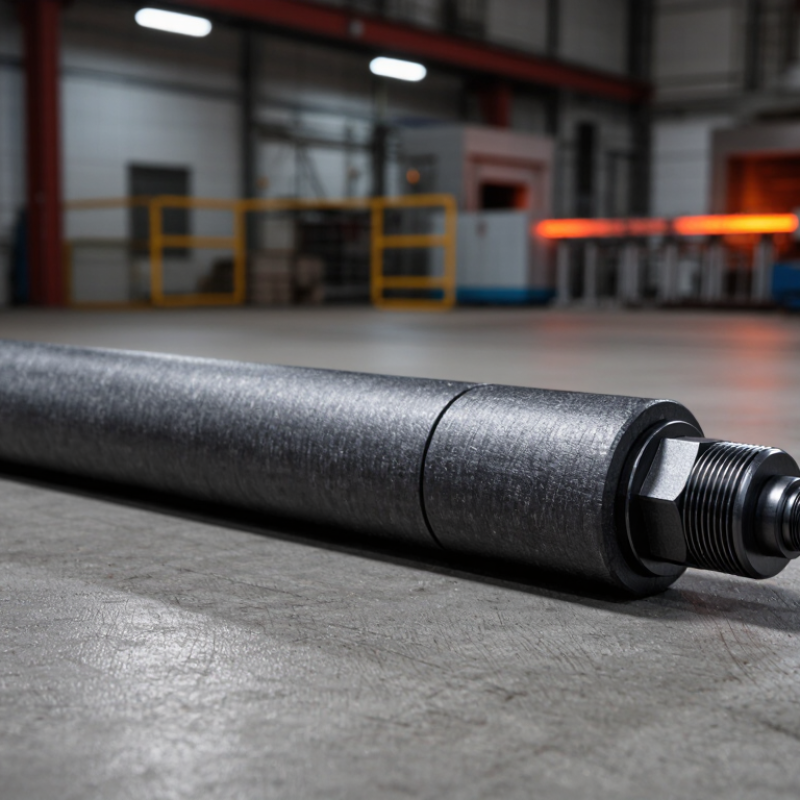
What a 200 × 1800 mm Graphite Electrode Is
A 200 × 1800 mm graphite electrode is generally specified by its nominal diameter and length: about 200 mm across and 1,800 mm long. The first measurement describes the rod’s outside width; the second describes its end-to-end length. It is a consumable conductive component, commonly used in electric arc furnace operations.
A modest diameter like 200 mm can suit equipment designed for lower current levels than larger electrodes, but suitability depends on furnace design, operating conditions, and the electrode’s grade. Current passes through the electrode to create an arc, while heat and oxidation gradually wear it down. The threaded ends and connecting nipple matter, too. Poor alignment or a damaged joint can increase resistance and cause uneven wear.
Check the product drawing before ordering. “200 × 1800 mm” may describe nominal dimensions, not guaranteed measurements at every point. Tolerances, density, strength, and electrical resistivity can vary by specification. That detail is easy to miss. A useful inspection checks the diameter at several positions, the overall length, and the thread condition. Even careful measurements may leave some uncertainty until the electrode is fitted and operated.
What Is a 200 by 1800 mm Graphite Electrode? — What a 200 × 1800 mm Graphite Electrode Is
| Data dimension | Typical specification or value | What it means |
| Size designation | 200 × 1800 mm | The first number indicates the nominal outside diameter; the second indicates the nominal overall length. |
| Nominal diameter | 200 mm (about 7.87 in) | The approximate diameter of the cylindrical electrode body. Actual manufacturing tolerances depend on the applicable specification. |
| Nominal length | 1800 mm (about 70.87 in) | The approximate end-to-end length of the electrode before connection to another electrode. |
| Electrode material | Graphitized petroleum-coke-based carbon | Graphite electrodes conduct electric current and are used in electric arc furnace operations. |
| Common grade context | Often associated with regular-power (RP) applications; confirm the ordered grade | Diameter and length alone do not identify the electrode grade or its guaranteed performance. |
| Representative bulk density | At least about 1.60 g/cm³ for some RP reference specifications | A typical reference value only; the guaranteed minimum varies by grade and specification. |
| Representative electrical resistivity | Up to about 8.5 μΩ·m for some RP reference specifications | Lower resistivity generally means lower electrical resistance through the electrode. |
| Representative flexural strength | At least about 10 MPa for some RP reference specifications | A reference measure of resistance to bending stress; actual requirements depend on grade. |
| Approximate body volume | 0.0565 m³ (about 56.5 L) | Calculated as a plain cylinder using a 200 mm diameter and 1800 mm length; it excludes any threaded socket details. |
| Indicative body mass | About 90 kg at a density of 1.60 g/cm³ | A rough estimate from the cylindrical volume and reference density. Actual mass varies with dimensions, density, and end machining. |
| Connection details | Socket and nipple dimensions must be specified separately | Electrodes are commonly joined with a graphite nipple. Do not infer thread type or connection dimensions from 200 × 1800 mm alone. |
| Important purchasing check | Confirm grade, dimensional tolerances, connection type, and guaranteed physical properties | The values above are representative reference information, not a universal product specification. |
Note: Reference properties can differ among grades and applicable standards. Use the supplier’s technical specification for acceptance limits and ordering details.
How Its Diameter and Length Are Specified
What Is a 200 by 1800mm Graphite Electrode?
How Its Diameter and Length Are Specified
The designation 200 × 1800 mm describes an electrode with a nominal diameter of 200 mm and a nominal body length of 1800 mm. The first number refers to the width across the cylindrical body, not its circumference. The second gives the length along the electrode’s axis. Simple, but the notation can be misread when dimensions appear in different catalog formats.
In practice, 200 mm is a nominal size, not a promise that every point measures exactly 200 mm. A caliper can check the diameter at several positions and across different directions. This helps reveal wear, slight ovality, or handling damage. Buyers should also check the supplier’s stated dimensional tolerances; acceptable variation depends on the product specification and application.
The 1800 mm figure usually refers to the electrode body itself. A connecting nipple may be specified separately, so confirm whether a quoted overall length includes one. That small detail can affect fit and clearance in the equipment. I would verify both measurements on the drawing before ordering. It is easy to assume. That assumption sometimes costs time.
Materials and Manufacturing Processes
A 200 by 1800 mm graphite electrode is typically about 200 mm in diameter and 1,800 mm long, though drawings should confirm how dimensions are defined. Its performance depends on more than size. Manufacturers usually blend calcined petroleum needle coke with coal-tar pitch, then form the mixture by extrusion. The green electrode is baked, often impregnated with pitch and rebaked, then graphitized at temperatures approaching 3,000°C. Final machining creates the specified diameter, length, and connection features. Small cracks or uneven density can become costly weaknesses under heat and electrical stress.
This material serves electric arc furnaces, where electrodes conduct current into the furnace charge. World Steel Association’s World Steel in Figures 2024 reports that electric arc furnaces produced 28.6% of global crude steel in 2023. That figure shows why consistent electrode quality matters, but it does not predict the service life of one 200 mm electrode. Coke quality, baking conditions, furnace operation, and handling all affect consumption. Manufacturing tolerances matter. Still, a neat specification cannot capture every production variation.
Tips: Check whether “200 × 1800 mm” means finished diameter and usable length, and confirm the thread or nipple details before ordering. Inspect packaging for chipped ends and keep electrodes dry before use. A practical caution: published process ranges are not a substitute for the supplier’s tested specifications.
Key Properties and Performance Factors
What Is a 200 by 1800mm Graphite Electrode?
Key Properties and Performance Factors
A 200 by 1800mm graphite electrode usually describes an electrode about 200mm in diameter and 1800mm long. Check the product drawing, since dimension conventions can vary. Its performance depends on more than size: grade, baking quality, and machining all affect how it behaves under electrical and thermal stress.
Electrical resistivity influences heating and current transfer. Lower resistivity can support efficient conduction, but operating conditions matter. Thermal conductivity helps move heat through the electrode, while mechanical strength helps it withstand handling and furnace forces. These properties are balanced during production; improving one does not automatically improve them all. Small details matter.
Oxidation can gradually consume the exposed surface, especially where hot graphite meets air. Temperature changes may also create stress, so rapid heating or cooling can increase cracking risk. Inspect the electrode for visible chips, cracks, and damaged threads before installation. Not always obvious. A clean, secure connection matters too, because poor contact can cause localized heating. Use operating limits and handling guidance matched to the electrode’s grade and equipment. Even careful teams can miss a small defect under workshop lighting.
What Is a 200 × 1800 mm Graphite Electrode?
Nominal Dimensions
A 200 × 1800 mm graphite electrode has a nominal diameter of 200 mm and a nominal length of 1800 mm. These dimensions describe its size, not its grade or current-carrying capacity. Performance also depends on factors such as electrical resistivity, mechanical strength, electrode quality, and operating conditions.
Common Applications and Handling Considerations
What Is a 200 by 1800mm Graphite Electrode?
Common Applications and Handling Considerations
A 200 by 1800mm graphite electrode is generally described by its nominal diameter and length. It conducts electricity into an electric arc furnace, where intense heat melts metal scrap or other furnace charge. The exact fit depends on the furnace design, current demand, and electrode connection. Dimensions alone do not confirm compatibility.
These electrodes may be used in smaller or medium-sized electric arc furnace setups, depending on operating requirements. During use, the electrode gradually wears and must be advanced or replaced. Consistent connections help maintain electrical contact and reduce uneven heating.
Small details matter. Check the joint threads for chips, dust, or damage before assembly, and follow the specified joining procedure.
Graphite is conductive, but it can crack or chip after impact. Lift electrodes with suitable handling equipment; do not drag them across concrete or strike their ends. Store them on clean, level supports in a dry area, protected from rain and standing water. Keep dirt away from the joint surfaces.
Keep it dry.
In practice, storage layouts are not always perfect, so inspect each piece before installation and set aside anything with visible cracks. A careful inspection cannot reveal every internal flaw, but it can catch preventable handling damage.
