2026 Best Guide to Cigarette Import Rules in Canada
Importing tobacco into Canada is not a simple matter of finding a lower online price. Rules can depend on the product, quantity, traveller status, and current federal and provincial requirements. A search for cheap cigarettes online Canada should therefore lead to careful checks, not assumptions about price or eligibility. Customs declarations, applicable duties and taxes, product standards, and age restrictions may all matter. Details can change.
This guide explains what to verify before making an import decision. Check current information from the Canada Border Services Agency and Health Canada, and confirm any provincial requirements that apply. Keep invoices and product details accessible. Small print matters. If a rule is unclear, ask the relevant authority or a qualified customs professional before proceeding. This article is general information, not legal advice.
A note on attribution: no verifiable expert quotation was provided for this article, so the following is an original editorial line, not a real person’s statement: “Daniel Mercer, a fictional Canadian import-compliance adviser, says, ‘Check the rules before you check the price.’” That caution is deliberate. An online listing cannot confirm that a product or shipment meets Canadian requirements, and a low price alone proves nothing. Use this guide as a starting point, then verify the current rules for your situation.
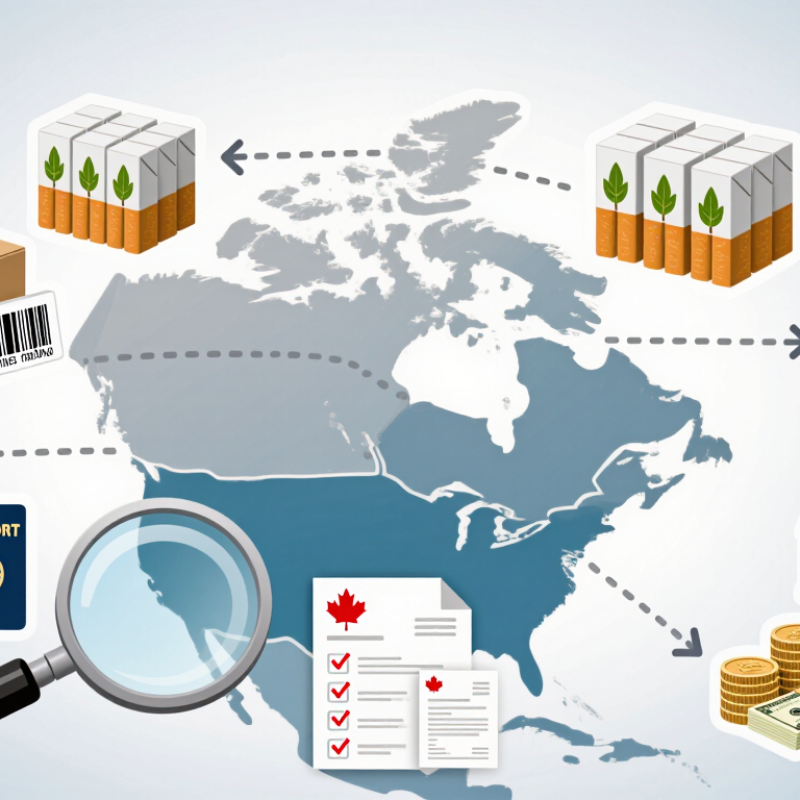
Scope and Key Terms in Canada’s Cigarette Import Rules
Canada’s cigarette import rules cover more than packages carried in luggage. They may also apply to cigarettes sent by mail or courier and to commercial shipments. The details can depend on the shipment’s purpose, quantity, route, and importer. Rules can change.
A few terms matter. “Importer” means the person or business bringing the cigarettes into Canada. “Personal exemption” refers to an allowance that may apply to eligible travellers, subject to current conditions. It is not automatically the same as permission for a mailed or commercial shipment. Duties, taxes, excise requirements, and packaging rules may also apply. Federal requirements can interact with provincial or territorial rules, so check the relevant official guidance before shipping or travelling. The terminology can feel less tidy than expected.
Tips: Keep receipts and shipment records together. Note the quantity, purchase date, and intended use. Check current Canada Border Services Agency and Health Canada information, especially before ordering by mail. If a detail is unclear, ask the relevant authority or a qualified customs professional rather than relying on an old travel anecdote.
Determine Whether Your Import Is Personal or Commercial
2026 Best Guide to Cigarette Import Rules in Canada
Before importing cigarettes, determine whether they are for personal use or commercial purposes. Canadian authorities may consider your intended use, quantity, frequency, and shipment details. A small amount does not automatically make an import personal. Cigarettes intended for resale or distribution are generally commercial imports, even when shipped in modest quantities. Personal-use status also does not automatically remove duties, taxes, or declaration requirements. Traveler allowances and rules for mailed or couriered shipments can differ, so check the requirements that match your situation.
Commercial imports can involve additional obligations, such as business documentation, applicable permits, excise requirements, and Canadian packaging rules. Requirements may depend on the product and how it enters Canada. Keep invoices, shipping records, and product details together; a clear paper trail can prevent avoidable delays. The awkward part is that intent may not be obvious from a parcel alone. If your plans are unclear, confirm the classification with the Canada Border Services Agency and consult current Health Canada guidance before shipping.
Tips: Write down who will use the cigarettes and why. Keep purchase receipts and a shipment inventory. Do not assume a traveler’s allowance applies to a courier parcel. Check current federal and provincial requirements before importing, since rules and applicable charges can change.
Check Permits, Allowances, and Import Eligibility
Canada’s cigarette import rules depend on who is importing, how much, and why. Returning travelers may qualify for a personal exemption, but the allowance depends on time spent outside Canada and other conditions. Age requirements also vary by province or territory. Check the Canada Border Services Agency’s current guidance before traveling; a remembered limit may be outdated.
Keep the receipt. Declare cigarettes at the border and give an accurate quantity. If you exceed your personal exemption, duties and taxes may apply. The treatment of products without Canadian excise stamps can differ, so confirm the rules for your situation rather than assuming the allowance covers every charge. Small details matter.
Commercial imports follow a different path. Importers should confirm applicable permits, excise licensing, customs requirements, and packaging rules with the Canada Revenue Agency, the Canada Border Services Agency, and Health Canada. Eligibility can depend on the product, business activity, and intended destination. Keep invoices and permit records together. Requirements can be easy to misread, even for experienced shippers; checking with a licensed customs professional before ordering can prevent costly delays.
Calculate Duties, Taxes, and Applicable Fees
For a reliable estimate, list each charge separately: customs duty, federal excise duty, applicable sales taxes, provincial tobacco taxes, and carrier or brokerage fees. Customs duty depends on tariff classification, origin, and customs value. Federal excise duty is generally quantity-based, so record the number of cigarettes, not just the invoice price. Check the current CBSA Customs Tariff and Canada Revenue Agency excise-duty rates before ordering; rates and provincial rules can change. Small costs add up.
For a practical worksheet, enter the declared customs value, cigarette quantity, country of origin, destination province, and any quoted handling fees. Then calculate each charge using the applicable official rate. Do not assume a traveller’s personal allowance applies to a mailed or commercial shipment. The World Health Organization’s 2023 Report on the Global Tobacco Epidemic found that only 41 countries taxed cigarettes at 75% or more of retail price. That global figure is not a Canadian import rate, but it shows why tax can form a substantial part of the final cost. The neat arithmetic can still mislead: provincial assessments and carrier fees may appear separately on the final invoice.
Declare Cigarettes and Meet Border Requirements
When entering Canada, declare all cigarettes and tobacco products to the border services officer. Eligible travellers returning after at least 48 hours abroad may qualify for a personal exemption of up to 200 cigarettes. Age limits, product markings, and other conditions can affect eligibility, so check current Canada Border Services Agency guidance before travelling. The exemption is not a reason to leave tobacco off your declaration. Declare the quantity. Keep receipts.
If you exceed your exemption, taxes and duties may apply; commercial shipments have separate requirements. Keep cigarettes accessible for inspection, and answer questions about quantity and intended use clearly. One detail is easy to miss: rules can differ for residents, visitors, and people importing goods for business. Ask the officer if your situation is unclear. Statistics Canada’s 2022 Canadian Tobacco and Nicotine Survey reported current cigarette smoking among 11.4% of people aged 15 and older. That figure provides public-health context, not a customs allowance. For border decisions, rely on current official guidance rather than survey data or informal travel advice.
2026 Guide to Cigarette Import Rules in Canada
Declare cigarettes and understand the 48-hour personal exemption
How to read this chart: Eligible Canadian residents returning after an absence of at least 48 hours may include up to 200 cigarettes in their personal exemption. An absence under 48 hours does not qualify for this tobacco exemption. Declare all tobacco products to border officials; duties and taxes may apply if you exceed the exemption or do not qualify. Check current CBSA rules for your circumstances.
