What Is an Angle Valve and How Does It Work?
An Angle Valve is a compact plumbing fitting that redirects water flow by 90 degrees. It commonly connects a wall supply line to a faucet, toilet, or appliance. You may notice one beneath a bathroom sink, where its small handle controls the fixture’s water supply.
The basic operation is simple. Turning the handle opens or restricts an internal passage. Depending on the design, that movement may operate a ball, cartridge, or threaded stem. Quarter-turn models often provide quick shutoff, while multi-turn models allow slower adjustment. The valve body is usually made from brass, stainless steel, or durable engineered plastic. Seals and compression fittings help prevent leaks around the connections.
Small detail matters.
In practical plumbing work, a stiff handle, green corrosion, or a damp compression nut can signal trouble. A valve may still function while its seal slowly deteriorates. That is why experienced technicians inspect the threads, tubing, washers, and surrounding cabinet space. They also confirm pressure ratings and follow the manufacturer’s installation instructions.
The simple explanation is useful, but incomplete. Not every Angle Valve uses the same connection method or internal mechanism. Installation quality also affects performance. Over-tightening can damage threads, while poor alignment may stress the supply tube. This guide explains how these valves work, where they are used, and what to check before replacement. It also considers practical limitations, because a small fitting can create significant water damage when neglected. Recognizing those details supports safer maintenance and more reliable plumbing decisions.
What Is an Angle Valve and What Are Its Main Parts?
What Is an Angle Valve and What Are Its Main Parts?
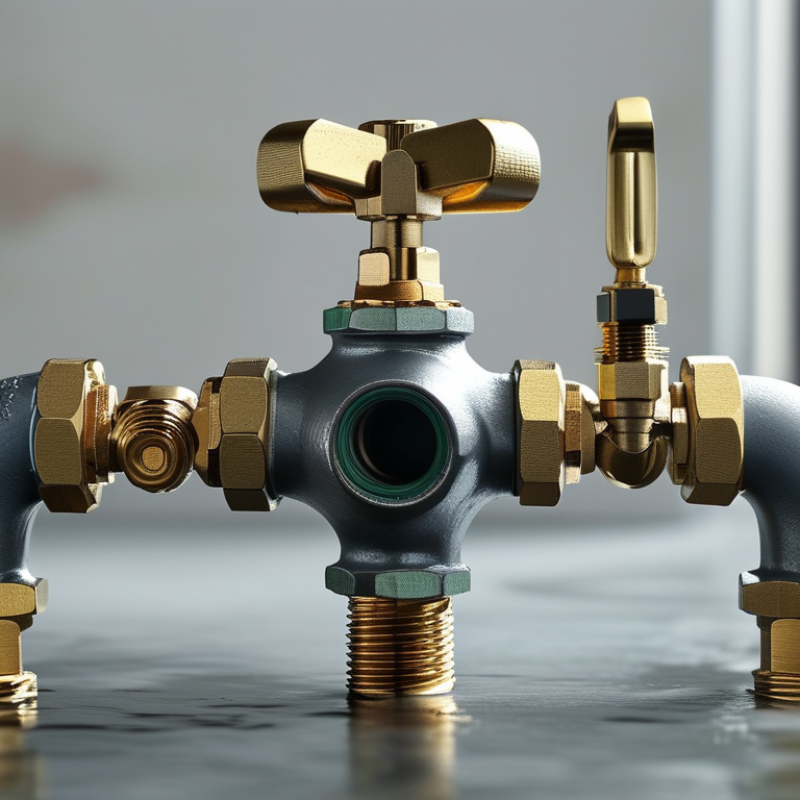
An angle valve is a compact shutoff valve for plumbing fixtures. Its inlet and outlet usually meet at about 90 degrees. This design fits neatly behind sinks, toilets, and cabinets. Turning the handle moves a stem, cartridge, or compression washer. The internal seal then opens or blocks water flow. Simple movement, but the small parts matter.
The valve body carries pressure and connects to the supply pipe. The inlet receives water, while the outlet feeds a flexible hose. Inside, a stem transfers handle movement to the sealing mechanism. Cartridge models use ceramic or polymer discs. Compression models press a washer against a valve seat. An O-ring or packing seal helps prevent leakage around the stem. The nut secures the cartridge, and the escutcheon covers the wall opening. In practice, diagrams often look cleaner than real installations. Mineral deposits can distort that neat picture.
The U.S. Environmental Protection Agency’s WaterSense leak research reports that household leaks may waste more than 10,000 gallons yearly. Its Fix a Leak Week materials also estimate nearly one trillion gallons are wasted nationwide each year. The U.S. Department of Energy reports that water heating represents about 18% of household energy use. A faulty angle valve may waste water continuously and increase hot-water demand. Check the handle, joints, and hose connection carefully. Do not overtighten them. That common habit can damage seals or threads.
How Does an Angle Valve Control Water Flow?
An angle valve is a compact plumbing fitting installed where a water pipe meets a fixture. Its body usually turns the water path about 90 degrees, saving space beneath sinks and toilets. Inside, a handle moves a stem that presses a sealing washer or cartridge against a valve seat. This contact reduces the opening and limits flow to the connected hose. Simple mechanism.
When the handle turns counterclockwise, the stem lifts and creates a wider passage for water. Turning it clockwise pushes the sealing part downward and gradually stops the supply. The valve does not normally adjust pressure throughout the building. It mainly controls flow at one fixture, which makes maintenance safer and more convenient. A partly open valve can reduce splashing, but it may also create noise or uneven delivery. The actual result depends on pipe pressure, valve condition, and the fixture’s demand.
In practical servicing, I close the valve slowly and check for drips around the stem and compression joint. A dry tissue can reveal a leak before water becomes visible. If the handle feels stiff, forcing it may damage internal parts or disturb an aging seal. That mistake is easy to make. Replacing a worn washer may restore control, although some cartridges require a complete valve replacement. Because designs vary, measurements and shutoff access should be verified before any repair.
What Types of Angle Valves Are Commonly Used?
An angle valve is a compact shutoff fitting that redirects water through a 90-degree path. It usually connects a wall supply line to a faucet, toilet, or appliance hose. Turning the handle moves an internal disc, ball, or stem to reduce or stop flow. The design saves space beneath sinks and keeps pipework easier to inspect.
Several types are commonly used. Compression angle valves tighten a nut and ferrule around the pipe, making them practical for many existing copper or plastic lines. Threaded valves screw onto matching fittings and are useful where a removable connection is preferred. Sweat valves are soldered to copper pipe, creating a permanent joint when installed correctly. Push-fit valves connect through an internal gripping ring, although the pipe must be clean, round, and fully inserted.
Quarter-turn ball valves open with a short handle movement. They are quick to operate and provide clear visual feedback. Multi-turn globe-style valves use repeated handle rotations, offering gradual flow adjustment but requiring more time. Ceramic-disc versions can resist wear, while valves with built-in check or anti-siphon features help limit reverse flow in suitable applications.
Material matters. Brass handles pressure well, while corrosion-resistant finishes suit damp cabinets. A common mistake is choosing by size alone. Outlet shape, pipe material, pressure rating, and hose compatibility also matter. Even a well-made valve can leak if the connection is misaligned or overtightened.
Where Are Angle Valves Installed in Plumbing Systems?
An angle valve is a compact shutoff fitting that changes water direction by about 90 degrees. It connects a building’s supply pipe to a flexible fixture hose. Turning the handle reduces or stops the flow. This allows repairs without shutting off the entire home.
Angle valves are commonly installed beneath bathroom and kitchen sinks. They may also sit behind toilets, where the supply pipe rises from the wall. In kitchens, a separate valve can feed a dishwasher or filtration unit. Laundry rooms often use valves near washing machine connections. Some water heaters also use similar shutoff fittings, depending on the pipe layout and local requirements.
The valve usually meets the supply pipe at the wall or floor. Its outlet then points toward the fixture, saving space inside a cabinet. During installation, the connection should remain accessible and easy to operate. A concealed valve may look tidy, but it can delay an emergency repair. That is a real planning mistake.
Before fitting one, check pipe size, outlet direction, thread type, and working pressure. Use compatible sealing methods and avoid forcing threaded parts. I have found that small alignment errors can stress the hose over time. After installation, open the valve slowly and inspect every joint for moisture. Even a tiny drip deserves attention.
What Is an Angle Valve and Where Is It Installed?
An angle valve is a quarter-turn shutoff valve that changes the water-flow direction by approximately 90 degrees. It is commonly installed between a wall-mounted water supply pipe and an individual fixture, allowing the fixture to be isolated without shutting off the entire plumbing system.
The chart shows common nominal outlet connection sizes used for angle valves in residential plumbing. Lavatories, kitchen sinks, toilets, and dishwashers commonly use 3/8-inch outlet connections, while washing-machine valves commonly use 3/4-inch hose connections. Actual sizes may vary by local plumbing standards and fixture design.
How to Choose, Install, and Maintain an Angle Valve?
What Is an Angle Valve and How Does It Work?
How to Choose, Install, and Maintain an Angle Valve?
An angle valve controls water where a supply pipe meets a fixture, usually at a 90-degree turn. Turning the handle opens or restricts the internal passage. Choose a valve that matches your pipe size, connection type, and water pressure. Brass suits many household installations, while corrosion-resistant materials help in damp areas. A quarter-turn handle is quick to operate, but a multi-turn design can offer finer flow control.
Before installation, shut off the main water supply and open the faucet to release pressure. Clean the pipe threads carefully. Use suitable thread sealant only where the connection requires it. Do not force the valve into alignment; excessive pressure may damage the threads or fitting. Hold the fixed pipe while tightening the valve. After installation, reopen the supply slowly and inspect every joint with a dry tissue. A small wet mark deserves attention. It may become a leak later.
Tips: Leave enough space to turn the handle comfortably. Check the valve twice a year for stiffness, mineral buildup, or corrosion. If the handle feels unusually tight, avoid using pliers immediately. That shortcut can damage the stem. I have seen otherwise sound valves fail because installers overtightened them. The mistake is easy to repeat, especially in cramped cabinets. When cleaning, wipe the exterior gently and never block the outlet with sealant. Replace a damaged valve rather than relying on repeated tightening.
