2026 Best AC EV Chargers for Global Buyers to Consider
As electric vehicles (EVs) gain popularity, the demand for reliable and efficient AC EV Chargers has surged. According to a recent report by the International Energy Agency (IEA), global EV sales are expected to exceed 30 million units by 2030. This shift underscores the need for accessible charging solutions. Yet, many consumers still struggle to find affordable and efficient chargers that meet their needs.
AC EV Chargers offer a practical solution for home charging and urban charging stations. However, buyers often question which models best suit their requirements. Industry experts emphasize that selecting the right charger is essential for maximizing efficiency. A poorly chosen charger can lead to increased charging times and energy costs. Research shows that a quality AC EV Charger can optimize battery life and reduce long-term expenses.
While numerous options are available, not all chargers perform equally. Consumers must navigate brands, power ratings, and features carefully. An individual’s location can also affect the charger’s efficiency and compatibility. Thus, conducting thorough research is vital before making a purchase. Understanding the nuances of available products will empower buyers to make informed choices.
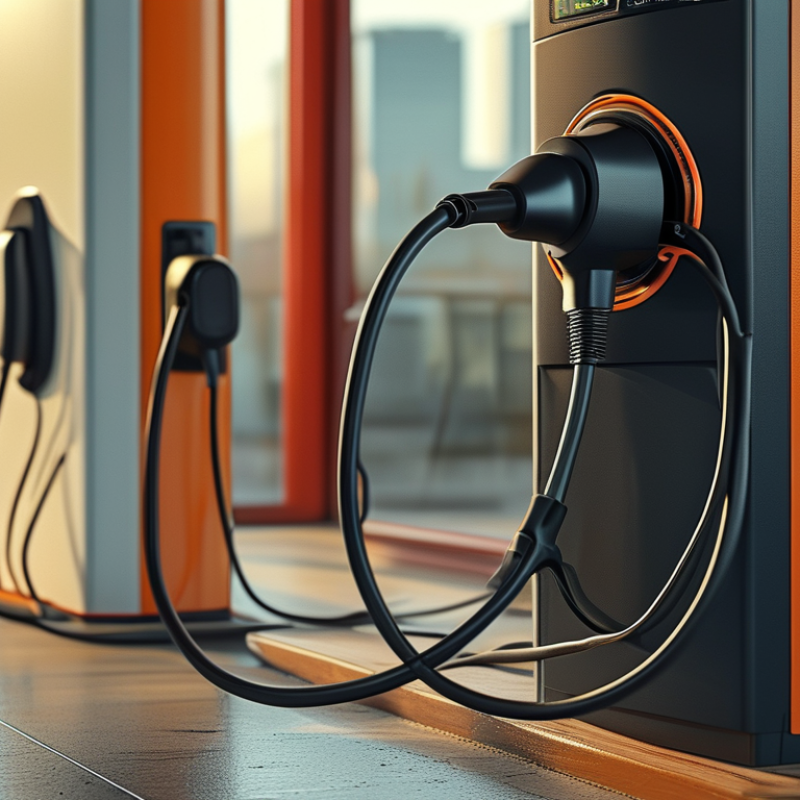
2026 Overview of AC EV Chargers for Global Consumers
In 2026, the market for AC EV chargers continues to expand globally. With rising demand, consumers seek convenience and efficiency. Advanced technology is now commonplace, allowing for quicker charging capabilities. Many chargers are equipped with features like smart connectivity and user-friendly interfaces. These enhancements make charging easier for daily commuters and long-distance travelers alike.
However, challenges remain. Not all charging stations are equally accessible, especially in rural areas. Additionally, the compatibility of chargers can vary widely between different vehicles. Consumers may face confusion when selecting the appropriate charger for their EV model. Choosing the right option requires research and careful consideration of one’s driving habits. It’s important to keep these nuances in mind.
The growing emphasis on renewable energy sources is influencing charger design. More manufacturers are focusing on sustainable materials for construction. While this trend is promising, some products are still inefficient. This highlights the need for ongoing refinement in design and performance. By staying informed, consumers can make better choices in this evolving market.
Key Features to Look for in AC EV Chargers
When considering AC EV chargers, several key features can enhance your charging experience. One primary characteristic is charging speed. Faster chargers can significantly reduce your downtime. Aim for chargers that offer variable power levels. This customization allows you to adapt based on your vehicle’s needs and your charging location.
Another critical aspect is compatibility. A versatile charger will work with various EV models. Ensure it supports multiple charging standards. Additionally, user-friendly interfaces are essential. Look for chargers with clear displays and easy setup processes. Safety features should not be overlooked. Overheating protection and reliable surge protection are vital for safe operation.
Finally, consider additional functionalities. Smart features, like scheduling and monitoring, can optimize your charging efficiency. While many chargers tout these extras, not all deliver on their promises. It's essential to research and read user reviews to avoid potential pitfalls. Not all features are equally useful, and some may offer more complexity than convenience. Balancing simplicity with efficiency is key.
Top Brands Leading the AC EV Charger Market in 2026
The AC EV charger market in 2026 is rapidly evolving. Various brands are making significant strides. These brands focus on reliability and innovation. They develop chargers that meet diverse user needs. Features can vary widely, from fast charging capabilities to smart technology integration.
For buyers, identifying what suits their situation is key. Consider the charger’s power output. A higher output means faster charging times. Examine compatibility with your electric vehicle model. Not all chargers work with every vehicle. Validate that your selected charger meets local electrical standards.
When exploring options, think about installation requirements. Some chargers need professional installation, while others are more user-friendly. Take your home’s electrical capacity into account as well. If unsure, seeking expert advice can help narrow down choices. Research user reviews to uncover potential pitfalls. This approach can lead to a more informed decision, ultimately ensuring satisfaction with your charger choice.
Comparing Charging Speed and Efficiency of AC EV Chargers
When considering AC EV chargers, charging speed and efficiency are crucial for buyers. These chargers come in various models, each offering different power levels. A unit with higher kW ratings typically charges faster. However, charging speed depends on several factors, including the vehicle's onboard charger capacity and battery state of charge.
Charging efficiency is equally important. It measures how much energy is actually transferred to the vehicle's battery. Inefficient chargers may waste electricity, leading to higher costs and longer wait times. Look for chargers with a high energy conversion rate. This ensures you get the most out of each session.
Tips: Select a charger that fits your daily driving habits. If you have a shorter commute, a lower kW charger may suit you fine. Consider future needs as well. Your charging requirements might change as technology evolves. Always check for compatibility with your vehicle for a seamless experience.
Future Trends in AC EV Charging Technology and Market Expansion
The landscape of AC EV charging technology is evolving rapidly. According to a recent report by the International Energy Agency (IEA), the global EV charging market is projected to reach $100 billion by 2025. This growth is driven by advancements in charging infrastructure and increased consumer demand. Moreover, AC chargers are seen as a more accessible option for many users, especially in residential settings.
Trends suggest that smart charging solutions will dominate the market in the coming years. Data from EV Volumes indicates that approximately 40% of new installations in 2026 will be equipped with advanced features such as mobile app integration and dynamic load management. These innovations are essential for optimizing energy usage and enhancing user convenience. However, the challenge lies in ensuring that these technologies are affordable and reliable across various regions.
Consumer awareness is also a critical factor. A survey conducted by Deloitte found that 59% of potential EV buyers are concerned about charging availability. This highlights a gap between technological advancements and consumer readiness. Stakeholders must focus on education and infrastructure development to bridge this divide and ensure a smooth transition to electric mobility.
