INTERNATIONAL FLUID POWER, INC.

The Experts for Hydraulic Power Units, Components, and Custom Hydraulic Systems
Slider

What are the Best Check Valve Types for Your Needs?

When selecting the right Check Valve for your system, understanding the types available is crucial. A check valve ensures fluid flows in one direction, preventing backflow. The variety of check valve designs can cater to diverse applications, each with unique benefits.

For example, swing check valves are ideal for low-pressure setups, while lift check valves serve high-pressure systems well. It is essential to consider factors like pressure, temperature, and the type of fluid involved. This knowledge can streamline operations and enhance efficiency.

However, not every type suits every need. You may encounter issues like noise in some designs or difficulty in maintenance. It’s vital to weigh these drawbacks against the benefits. A thorough understanding of check valve dynamics will empower you to make informed decisions that enhance system reliability.
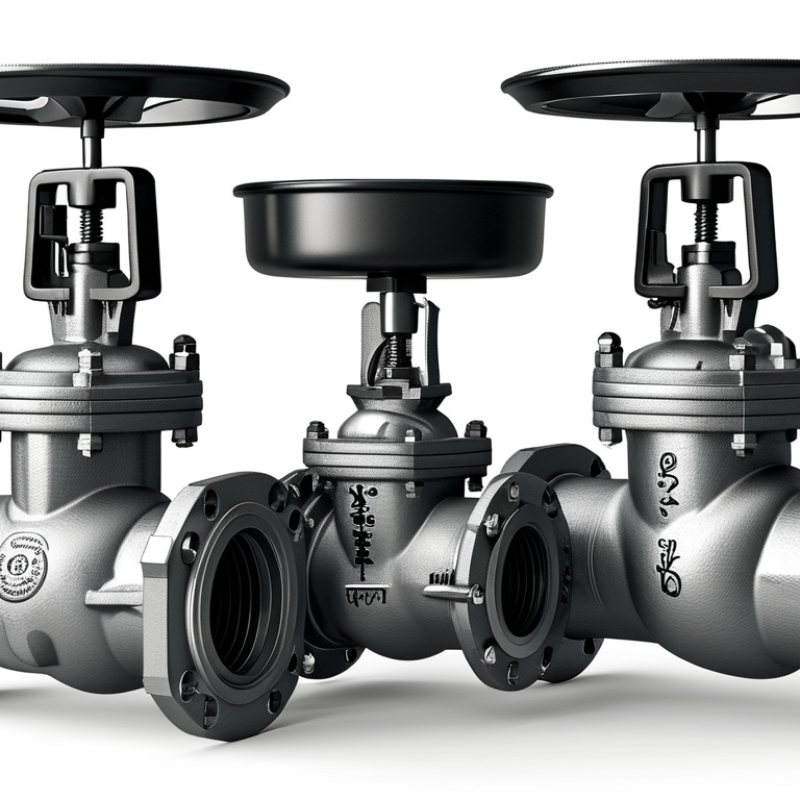
What are the Best Check Valve Types for Your Needs?

Understanding Check Valves: Definition and Functionality

Check valves play a crucial role in various fluid systems. These devices allow fluid to flow in one direction while preventing backflow. Their design and functionality make them essential in plumbing, manufacturing, and even marine applications. Understanding how check valves work can help you select the right type for your needs.

When choosing a check valve, consider its design. Common types include swing, spring-loaded, and lift check valves. Each type functions differently based on the application. For example, swing check valves are great for low-pressure systems. Conversely, spring-loaded valves provide a more reliable seal. Knowing the specific requirements of your system is key.

Tip: Always evaluate the pressure and flow conditions in your application. Ensure the check valve you select can handle these factors effectively.

Improper selection can lead to issues. A valve that can't withstand the pressure might fail. An over-engineered valve can increase costs unnecessarily. Balancing performance and budget is essential.

Tip: Consult with experts when uncertain. They can provide insights tailored to your unique needs, preventing costly mistakes. Taking the time for research can pave the way for efficient operation.

Common Types of Check Valves and Their Applications

Check valves play a crucial role in fluid systems, preventing backflow and ensuring the smooth operation of pipelines. Several common types exist, each suitable for different applications. The swing check valve is one of the most widely used. Its disc swings open to allow fluid flow and closes to prevent backflow. This design is effective but may not perform well at low flow rates.

Another type is the lift check valve. It has a disc that moves vertically, allowing for a more efficient sealing mechanism compared to swing types. This valve works well in high-pressure applications. However, it can be susceptible to water hammer, a condition that can damage pipelines. One must carefully assess the specific needs of their system before choosing a valve type.

Ball check valves offer a different mechanism, using a ball to seal the flow. They excel in preventing leakage and are often used in applications with fluctuating pressures. Their simpler design makes them easy to maintain, yet they might not handle large volumes effectively. Selecting the right type of check valve requires balancing performance and reliability to meet the demands of your particular application.

What are the Best Check Valve Types for Your Needs? - Common Types of Check Valves and Their Applications

Check Valve Type Material Applications Pressure Rating Temperature Range
Lift Check Valve Cast Iron, Stainless Steel Water Supply, HVAC Systems Up to 300 psi -20°C to 120°C
Swing Check Valve Bronze, PVC Pipelines, Water Treatment Up to 150 psi 0°C to 80°C
Dual Plate Check Valve Stainless Steel, Carbon Steel Oil and Gas, Chemical Processing Up to 600 psi -50°C to 200°C
Ball Check Valve PVC, Brass Pond Pumps, Pool Systems Up to 180 psi -10°C to 60°C
Spring Check Valve Stainless Steel, Plastic Industrial Liquid, Water Systems Up to 100 psi -20°C to 100°C

Factors to Consider When Choosing a Check Valve

When selecting a check valve, it's essential to consider application-specific needs. Key factors include pressure, flow direction, and possible fluid types. A recent industry report from the American Society of Mechanical Engineers notes that improperly selected valves can lead to a 30% increase in maintenance costs. Optimizing valve choice reduces potential downtime and improves operational efficiency.

Material compatibility is another crucial consideration. Different fluids can corrode materials like brass or stainless steel. Data from the Fluid Control Institute indicates that incorrect material selection may lead to premature failure, costing thousands in repairs. Understanding the working conditions can help in choosing the right type. For example, high-temperature applications require special attention to seal materials.

Size and installation flexibility also play significant roles in the decision-making process. According to the International Association of Plumbing and Mechanical Officials, a mismatch in size can cause significant pressure drops, impacting system performance. Consideration of available space for installation can dictate valve type as well. Always evaluate availability and service access. These factors collectively ensure that the chosen check valve meets performance expectations.

Check Valve Types and Their Applications

This chart illustrates the popularity index of various check valve types based on application needs. Each type has different use cases, and their popularity may vary depending on specific industry requirements.

Advantages and Disadvantages of Popular Check Valve Types

When choosing a check valve type, understanding their advantages and disadvantages is essential. Swing check valves are popular due to their simple design. They work effectively in low-pressure applications. However, they can struggle with backflow. This valve type often requires significant space, limiting its use in tight areas. In a study by the American Society of Mechanical Engineers (ASME), swing check valves accounted for about 38% of check valve sales in 2022.


Another common type is the diaphragm check valve. These are reliable in systems where fluid contamination is a concern. Their design allows for easy maintenance. However, they often cannot handle high flow rates, which limits their application. Statistics from the Fluid Control Institute show that diaphragm valves represented roughly 25% of the total market in the same period.


Ball check valves are known for their durability and effectiveness in high-pressure situations. They offer a minimal pressure drop. Yet, they can also be prone to wear over time, especially in abrasive conditions. A report by the International Association of Plumbing and Mechanical Officials indicates that ball check valves made up around 15% of the market share last year. Choosing the right type involves weighing these pros and cons against your specific application needs.

Maintenance Tips for Ensuring Check Valve Performance

To maintain optimal check valve performance, regular inspection is crucial. These components can wear out from sediment, corrosion, or fatigue. Routine checks help in identifying potential malfunctions before they escalate.

Tips:

  • Schedule quarterly inspections.
  • Look for signs of leakage or unusual noises.
  • Tighten connections to prevent leaks.

Cleaning is essential for valve longevity. Accumulated debris can impede functionality. Use a suitable cleaning method based on the valve's material. Wash gently, avoiding abrasive substances that could cause damage.

Tips:

  • Use a soft cloth for cleaning.
  • Consider using a mild detergent for tougher grime.
  • Ensure all parts are thoroughly dry before reassembly.

Don't underestimate the impact of temperature fluctuations. Extreme heat or cold can affect valve materials. Monitor the environmental conditions where your valves are installed. Adjustments might be necessary to improve their lifespan.

Tips:

  • Insulate valves in extreme conditions.
  • Regularly check seals and gaskets for integrity.
  • Replace them as needed to maintain performance.

Article Source: