INTERNATIONAL FLUID POWER, INC.

The Experts for Hydraulic Power Units, Components, and Custom Hydraulic Systems
Slider

Best Compressor Boring Machine Supplier in China?

Choosing the best Compressor Boring Machine supplier in China requires more than comparing prices. Buyers should examine spindle accuracy, boring-bar rigidity, table travel, and the support available after installation. These details affect whether a machine can restore worn cylinder bores consistently, shift after shift. Ask for test records, machining samples, and clear specifications. A polished brochure is not enough.

A useful expert quotation should come from a named engineer whose role and words can be verified. No source or verifiable quotation was provided for this request, so I won’t invent one. Insert a confirmed statement here: “[Verified quotation about boring accuracy or machine selection]”—[Expert name and professional role]. That check matters. A fabricated endorsement would weaken a supplier comparison rather than strengthen it.

This guide will assess Chinese suppliers through practical criteria: machine configuration, quality checks, customization, delivery, training, and spare-parts support. Look closely at how each supplier explains accuracy under real operating conditions, not only at nominal figures. Ask what happens when a bore requires another pass, or when a key component needs replacement. Those are useful questions. No machine fits every workshop. The right choice depends on the workpiece range, production volume, and repair requirements. Some specifications may look impressive on paper; verify them against your actual jobs before ordering.
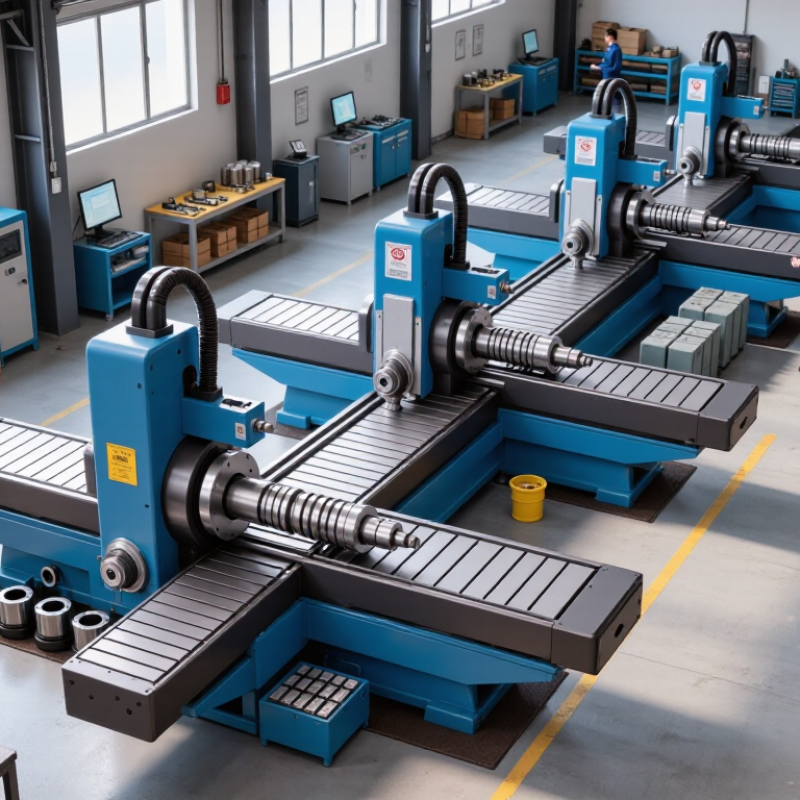
Best Compressor Boring Machine Supplier in China?

What Is a Compressor Boring Machine and How Is It Used?

A compressor boring machine enlarges or restores the cylinder bores in a compressor block. It removes a controlled layer of metal so the bore can meet its specified diameter and alignment. Depending on the machine and workpiece, operators may also use it to correct wear or prepare a surface for an approved repair. The setup matters: a block that shifts under the cutter can produce a tapered or off-center bore. Small errors matter.

During machining, the block is clamped firmly, and the spindle is aligned with the bore. The operator checks dimensions with suitable measuring tools, then makes careful cutting passes rather than removing too much material at once. Some machines support multiple bore sizes or workpiece configurations, but capacity and fixturing vary. A useful inspection includes bore diameter, roundness, surface condition, and alignment with related components. A clean-looking finish alone does not prove the bore is within tolerance. One detail is easy to overlook: measurement technique can affect the result.

Tips: Confirm the compressor block’s specifications before setup. Clean chips from the bore and fixture, and recheck alignment after clamping. Measure at several depths and positions. If readings disagree, pause and inspect the setup; continuing may waste the workpiece.

Which Technical Features Matter When Choosing a Machine?

When choosing a compressor boring machine supplier in China, focus on measurable accuracy, not just advertised capacity. Check spindle runout, boring-bar rigidity, and repeatability across the full working stroke. Ask for a recent inspection record and a sample bore report. A smooth finish matters, but so does keeping the bore round and aligned after several hours of cutting. Small errors add up.

Controls deserve a close look. CNC functions, clear alarms, and stored machining parameters can help operators repeat jobs and trace settings. Deloitte’s 2023 manufacturing survey reported that 86% of surveyed executives viewed smart manufacturing as a key driver of competitiveness over the following five years. That is not a machine-tool accuracy figure, but it supports asking whether the machine can record useful process data. ISO 230-2:2014 also provides test methods for positioning accuracy and repeatability of numerically controlled machine tools; request results relevant to the machine’s actual axis travel. Ask about thermal compensation, workholding, and service response, too. I would not judge a machine by one polished demonstration. A short test cut is useful, yet production conditions are less tidy. A detail can be missed.

Best Compressor Boring Machine Supplier in China? Which Technical Features Matter When Choosing a Machine?

Evaluation Dimension What to Check Practical Specification or Evaluation Target Why It Matters
Bore diameter capacity Minimum and maximum bore diameters, and whether the range covers the compressor cylinders or housings in your production plan. Compare the stated range with actual workpiece drawings; request confirmation for each required bore size. A machine that cannot cover the required sizes may need additional tooling or a separate machine.
Boring depth and working travel Maximum boring depth, spindle travel, table travel, and clearance for the complete workpiece and fixture. Confirm usable travel with the proposed tool, fixture, and workpiece—not just the machine’s nominal travel. Insufficient reach or clearance can prevent machining deep bores or longer components.
Spindle speed and torque Speed range, motor power, torque characteristics, and suitability for the workpiece material and tool diameter. Ask for the speed-and-feed recommendations for the materials and bore sizes you actually machine. Appropriate speed and torque support stable cutting and help avoid excessive tool wear or poor surface finish.
Feed control Available feed rates, feed adjustment, and whether the machine supports controlled automatic feed. Verify the feed range and operating method using a representative machining demonstration. Consistent feed helps improve repeatability and reduces reliance on operator feel.
Accuracy and repeatability How accuracy is specified, measured, and verified, including the measurement method and test conditions. Request a documented test report and measure a trial-machined part against the agreed drawing tolerances. Published figures are meaningful only when the measurement method and acceptance criteria are clear.
Workholding and setup Table size, clamping arrangement, fixture options, alignment method, and access for loading and unloading. Confirm that the workpiece can be located securely and repeatably without obstructing the boring operation. Reliable setup affects machining accuracy, cycle time, and operator safety.
Tooling compatibility Spindle interface, boring-bar support, tool length and diameter limits, and availability of suitable cutters. Check compatibility with the intended tooling and include required adapters and tooling in the quotation. Unplanned tooling requirements can add cost and delay production after installation.
Machine construction and guarding Bed and column rigidity, spindle support, chip protection, emergency stop, and access to operating controls. Inspect the machine in operation and review the safety features included in the quoted configuration. A rigid, safely configured machine is better suited to stable production use.
Coolant and chip management Whether coolant delivery, chip collection, and drainage are included or available as options. Match the system to the material, cutting process, and factory requirements; confirm included components. Effective chip removal and suitable coolant management support cutting performance and a cleaner work area.
Electrical and installation requirements Supply voltage and frequency, installed power, footprint, machine weight, and foundation requirements. Obtain the machine’s electrical and installation drawings before arranging utilities and factory space. Checking site requirements early helps prevent installation delays and additional preparation costs.
Inspection and acceptance testing Factory inspection, trial machining, inspection instruments, and agreed acceptance criteria. Specify a test piece, required measurements, and pass/fail tolerances in the purchase documentation. A defined acceptance process makes machine performance easier to verify before shipment.
Documentation and support Operation and maintenance manuals, electrical diagrams, spare-parts information, training, and response arrangements. Confirm the delivery language, document format, support process, and availability of commonly needed parts. Clear documentation and dependable support help maintain production after installation.

Specifications and available configurations vary by machine model. Confirm all dimensions, performance figures, included accessories, and acceptance criteria in writing before purchase.

How Can You Evaluate Compressor Boring Machine Suppliers in China?

How Can You Evaluate Compressor Boring Machine Suppliers in China?

Evaluate a supplier by inspecting the machine’s performance, not just its brochure. UNIDO’s International Yearbook of Industrial Statistics 2024 places China’s share of global manufacturing value added at about one-third. That scale offers choice, but it does not guarantee precision. Ask for boring accuracy, spindle runout, repeatability, and surface-finish results, with the test conditions stated clearly. Ask for proof. A sample bore cut into a compressor cylinder block can reveal more than polished showroom footage. Check the measured diameter and roundness against your required tolerances.

A reliable supplier should explain how machines are assembled, calibrated, and tested before shipment. Request a factory acceptance test using a representative workpiece, and confirm which measuring tools verify the results. Check whether the supplier can provide installation guidance, operator training, spare-part lead times, and responsive technical support. Speak with buyers who use similar machines, if possible. A strong specification sheet is useful, but it cannot show how quickly a service team responds when production stops. I would still hesitate if the supplier avoids sharing test records. Compare quotations carefully, including tooling, shipping preparation, and commissioning, since a lower machine price may not include them.

What Should You Compare in Quality, Price, and After-Sales Support?

Best Compressor Boring Machine Supplier in China?

When comparing suppliers, look beyond the machine’s quoted boring range. Ask for spindle runout figures, repeatability data, and a test cut using material similar to yours. A clean bore on a sample part can reveal vibration, tool marks, and setup issues. Check whether the machine suits your workpiece dimensions and daily production volume. Specifications matter, but real machining results matter more.

Tips: Request an itemized quotation. Compare included tooling, installation, training, warranty terms, and spare-part costs. Ask how quickly technical support usually responds, and whether troubleshooting is available remotely. Keep the answers in writing for a fair comparison.

A lower price may exclude useful items, so compare the full operating package rather than the headline figure. Confirm which components are covered and how replacement parts are shipped. Ask for clear operating and maintenance manuals in a language your team can use. It is easy to overlook service access during a factory demonstration; check whether routine maintenance points are reachable without special tools. No supplier can promise zero downtime, but specific support procedures are more reassuring than broad claims. If possible, speak with a customer running similar parts and ask what required adjustment after delivery.

Choosing a Compressor Boring Machine Supplier: What to Compare

Suggested evaluation weights for comparing machining accuracy, reliability, after-sales support, price, delivery, and documentation. These are planning guidelines, not results from a market survey; adjust them to your project requirements.

How Can You Verify a Supplier Before Placing an Order?

Best Compressor Boring Machine Supplier in China?

How Can You Verify a Supplier Before Placing an Order?

A supplier’s brochure cannot prove that a compressor-cylinder boring machine will hold tolerance. Ask for a recent inspection report showing spindle runout, bore diameter variation, surface finish, and measuring-tool calibration. Request a video of the machine cutting a comparable workpiece, then check the readings against your own acceptance limits. Ask for evidence. Not just photos.

Check the quality certificate directly with its issuing body, and confirm that it covers the factory making your machine. The ISO Survey 2023 recorded 1,265,216 valid ISO 9001 certificates across 189 countries and economies. That scale makes verification important: certification indicates a quality-management system, not that a specific machine meets your machining requirements. ISO 230-1 also provides methods for testing machine-tool geometric accuracy, which can help you discuss inspection procedures with the supplier.

Speak with two or three recent buyers, preferably those machining similar cylinder materials and bore sizes. Ask about delivery accuracy, commissioning support, and how faults were handled. I would also inspect a sample part before approving shipment, if practical. That step can add time. It may reveal chatter marks or inconsistent dimensions that a clean factory tour misses. Agree in writing on acceptance criteria, spare parts, packaging, and payment milestones before placing the order. A supplier may hesitate to share detailed records; treat that as a reason to ask more questions, not as proof of poor quality.