Where to Find the Best Shot Blasting Tools in China?
Choosing where to source Shot Blasting Tools in China means looking beyond price lists. Buyers need equipment that matches the workpiece, abrasive, production rate, and available maintenance skills. The scale of demand is substantial: the World Steel Association reported that China produced about 1,019 million tonnes of crude steel in 2023. Steel fabrication, foundry work, and equipment maintenance all depend on reliable surface preparation. The details matter. A cabinet blaster suited to small castings may be a poor fit for large structural components.
Corrosion costs also explain why surface preparation deserves careful attention. NACE International’s 2016 IMPACT study estimated the global cost of corrosion at US$2.5 trillion annually, or 3.4% of global GDP. The report also suggested that applying existing corrosion-control practices could save 15–35% of those costs. These figures describe corrosion broadly, not the value of blasting equipment alone. That distinction matters. For buyers comparing Chinese manufacturers, this guide will examine practical indicators: machine specifications, dust-collection design, abrasive recovery, spare-parts support, and documented quality procedures. Ask for test results and clear operating details, not just polished catalogue photos. A supplier’s claim still needs checking. Even a well-built machine can disappoint when its capacity, consumables, or service support do not match the job.
What Shot Blasting Tools Are and Where They Are Used
Where to Find the Best Shot Blasting Tools in China?
What Shot Blasting Tools Are and Where They Are Used
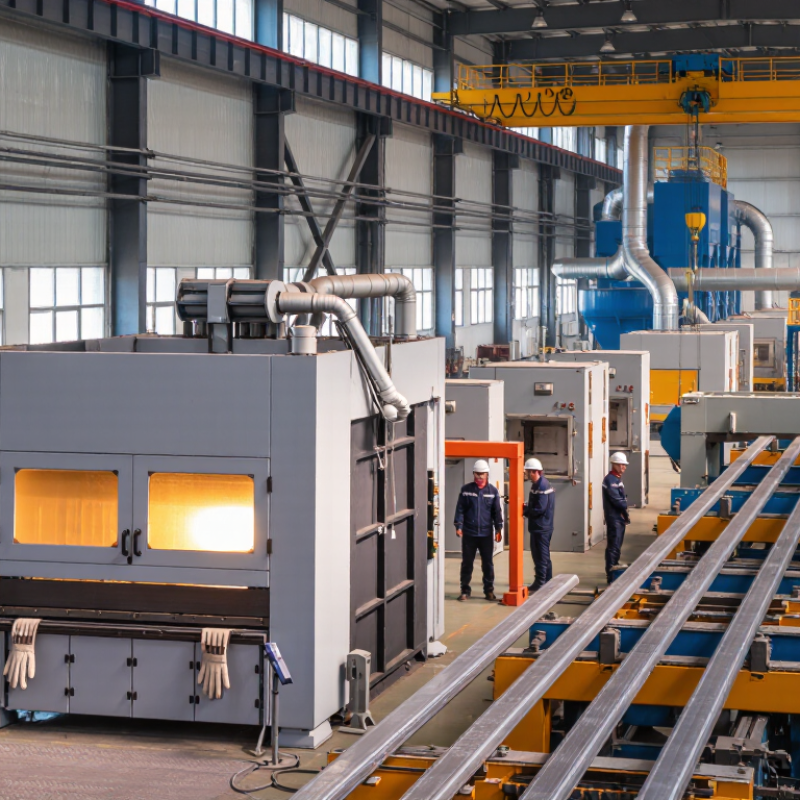
Shot blasting tools clean or texture a surface by propelling abrasive material at controlled speed. Common systems include wheel-blast machines, which use a rotating wheel, and air-blast equipment, which uses compressed air. Operators choose the abrasive and settings to suit the material and the finish required. Steel parts may need scale removal, while delicate surfaces call for gentler treatment. The wrong setup can leave uneven marks, so results should be checked on a test piece.
These tools are used in foundries, metal workshops, vehicle-part production, and construction. They remove rust, old coatings, and casting residue, or prepare surfaces for painting. Floor shot-blasting machines can also create a rough profile on concrete before a new coating is applied. For buyers in China, compare suppliers by machine specifications, spare-part availability, technical support, and documented test results. Ask whether the proposed machine can handle your workpiece size and production volume. A polished sales description is not enough.
Tips: Request a sample test using your actual material. Check dust collection, abrasive recovery, and access for routine maintenance. Small details matter. I would not choose by price alone; even a capable machine may be a poor fit if setup and servicing are inconvenient.
Which Features Distinguish High-Quality Shot Blasting Tools
High-quality shot blasting tools deliver a steady abrasive flow, predictable impact, and reliable control. For blast wheels, inspect blade balance and the wear resistance of liners. For air-blast systems, check nozzle material, hose strength, and metering-valve accuracy. These parts face constant abrasion, so easy replacement matters. A stable blast pattern helps produce an even surface without wasting media. It also reduces rework on steel plates, castings, and fabricated parts.
Tips: Ask for a sample test using your workpiece and chosen abrasive. Check the finish, media use, and dust capture. Request clear specifications, spare-part details, and maintenance instructions. Small checks matter.
When comparing suppliers in China, look beyond catalog photos. Confirm that components fit your machine and that operating data is documented. Ask how the supplier checks wear parts and tests equipment before shipment. A polished brochure can still leave practical questions unanswered. That deserves a closer look. If possible, inspect a working unit or review test records before ordering. Also consider whether local technicians can explain setup and troubleshooting clearly. The cheapest tool may cost more in downtime; still, a higher price alone does not prove better quality.
Where China’s Main Shot Blasting Equipment Suppliers Are Located
Where to Find the Best Shot Blasting Tools in China?
Where China’s Main Shot Blasting Equipment Suppliers Are Located
China’s shot blasting suppliers are concentrated near major manufacturing and foundry clusters. Shandong, especially Qingdao and Jinan, has a strong base of machinery makers and metal-processing businesses. Jiangsu and Zhejiang also host suppliers, with access to ports, component manufacturers, and export routes. In northern China, Hebei’s steel and foundry industries create another practical sourcing area. These are useful starting points, not strict boundaries.
Demand is closely tied to foundry production. The China Foundry Association reported that China produced about 51.75 million tonnes of castings in 2022. That scale helps explain why equipment suppliers cluster near casting and metalworking customers. When comparing factories, ask where key components are made, and whether test runs can use your workpiece. Look for a clear service plan, spare-parts availability, and documented machine specifications. A map is only a starting point. Travel distances and supplier capabilities can vary more than expected, so verify details directly.
How to Find and Compare Chinese Shot Blasting Tool Manufacturers
Finding Chinese shot blasting tool manufacturers takes more than comparing online listings. Start by defining the application: wheel or air blasting, workpiece size, media type, and daily operating hours. Ask for written specifications covering blast wheel power, abrasive flow, wear-part material, dust extraction, and required utilities. Clear inputs make quotations comparable. Vague requests invite vague prices.
Check whether a supplier makes the equipment or coordinates production through other workshops. Request a live video tour or visit, and look closely at machining, welding, assembly, and inspection records. Ask for drawings, a parts list, warranty terms, and examples of installations handling similar parts. A sample test matters. Send representative components and agree on acceptance measures, such as surface coverage and cycle time. Photos alone rarely show consistency.
Compare total operating costs, not just purchase price. Include replacement blades, liners, filters, energy use, packing, shipping, commissioning, and spare-parts lead times. Confirm what the quotation excludes. Then speak with two or three recent customers, ideally in a similar industry. Their comments may reveal slow responses or useful troubleshooting. Keep notes in one comparison sheet, but treat the scores cautiously; your weighting may be wrong. A short technical call can expose assumptions before an order is placed.
How to Verify Product Quality, Certifications, and Supplier Support
When comparing shot blasting tools from Chinese suppliers, ask for more than a catalogue and a polished video. Request material specifications, dimensional drawings, and inspection records for the exact model you plan to buy. Check nozzle openings, hose fittings, welds, and moving parts for consistent finish and fit. For machines, ask for a recorded test under stated operating conditions, including air pressure, output, and any measured vibration. A sample can perform well during a brief demonstration yet struggle during a full shift. That detail is easy to miss.
Review certificates carefully. Confirm the issuing body, certificate number, scope, validity dates, and factory address. Verify the document with the issuer or its official register where possible. A certificate logo alone proves little, and a valid management certificate does not automatically verify every tool’s performance. Ask which product standards apply to your intended use and destination. If a supplier avoids direct answers, treat that as a reason to pause, not an instant verdict.
Supplier support matters after delivery. Get written details on spare-part availability, warranty coverage, troubleshooting, and response times. Ask whether manuals, maintenance guidance, and remote training are available in a language your operators understand. Keep the answers with your quotation and order records. Some checks may feel tedious, but unclear promises are harder to resolve once equipment is on the shop floor.
