What Are the Best Tungsten Carbide Welding Rods from China?
Choosing the best Tungsten Carbide Welding Rods from China requires more than comparing prices or polished product photos. The real decision begins with wear conditions, welding method, and the material being repaired. A rod used on crushed stone equipment faces different stress from one used on agricultural blades or mining tools.
Dr. Li Wei, a hardfacing materials specialist, explains, “A carbide rod performs well only when its particle size matches the wear it must resist.” This practical view matters. Large tungsten carbide particles can protect against severe abrasion, while finer particles may create a smoother, more controlled deposit. The cobalt or nickel-based matrix also affects bonding, toughness, and service life.
Look closely at manufacturing details. Reliable Chinese suppliers should identify carbide grade, particle distribution, rod diameter, binder composition, and recommended amperage. Product samples should show evenly distributed particles, clean surfaces, and stable dimensions. Ask for batch inspection records, metallurgical data, and welding guidance. A credible supplier will answer specific questions without hiding behind vague claims.
There is no universal “best” rod.
A cheaper product may appear attractive. However, inconsistent carbide distribution can cause early wear, cracking, or poor deposition. That lesson is easy to miss during a short purchasing cycle. Field testing remains valuable, even when technical documents look complete.
This guide will compare Chinese Tungsten Carbide Welding Rods through composition, application suitability, welding performance, quality control, and supplier reliability. The goal is not to promote one factory blindly. It is to help buyers make a measured choice, based on evidence, actual working conditions, and results that can be checked.
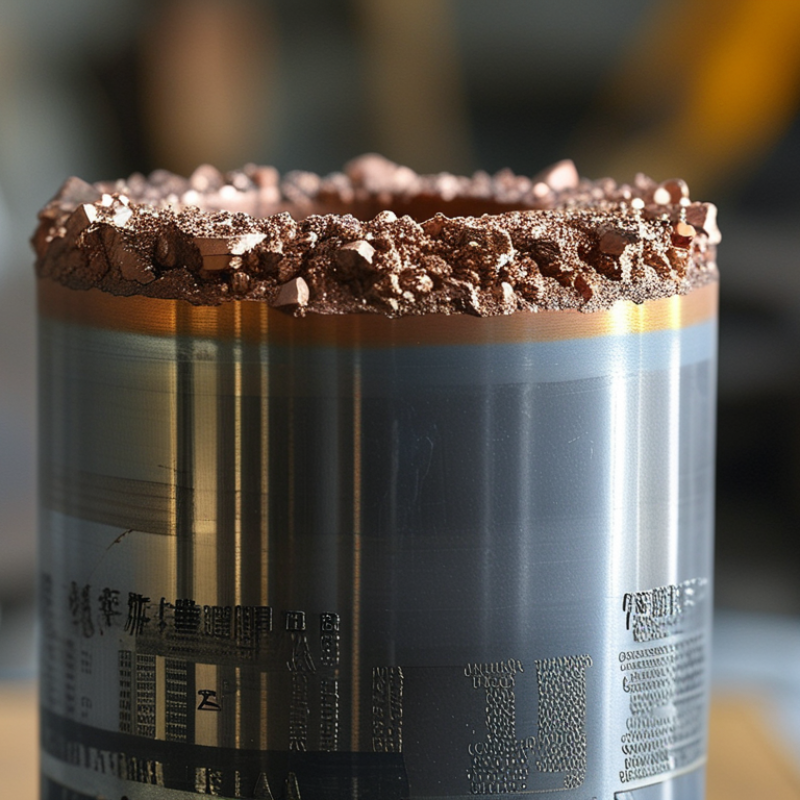
Tungsten Carbide Welding Rods: Composition, Types, and Uses
Choosing the best tungsten carbide welding rods from China starts with composition. These rods usually combine crushed or cast tungsten carbide particles with a nickel, iron, or copper-based binder. Carbide content often ranges from 40% to 70% by weight. Higher content can improve abrasion resistance, but it may reduce toughness during impact. The hardest option is not always the safest choice.
Rod types serve different repair conditions. Cast carbide forms rounded particles and suits sliding abrasion, such as sand pumps and conveyor components. Crushed carbide creates sharper edges for cutting wear in drilling tools and agricultural blades. Tubular rods can carry a higher carbide load, while solid brazing rods offer cleaner control on smaller surfaces. Operators should check particle size, binder chemistry, rod diameter, and recommended heat range before purchasing.
The U.S. Geological Survey reported approximately 67,000 tonnes of tungsten mine production in China during 2023. This strong raw-material base supports broad manufacturing capacity, but quality still varies between suppliers. The International Tungsten Industry Association estimates cemented carbide uses roughly 60% of global tungsten consumption. That figure shows the material’s industrial importance, not automatic product quality. A reliable supplier should provide batch composition, carbide grading, hardness data, and traceable test records. In practical trials, a rod that wets evenly and leaves a dense bead may outperform a harder rod with poor bonding. Supplier claims deserve testing.
Key Performance Standards for Evaluating Chinese Welding Rods
Choosing the best tungsten carbide welding rods from China requires more than checking price or advertised hardness. The key question is whether the rod matches the working condition. In field repairs, abrasion often comes from sharp rock, sand, or sliding metal. Each condition demands a different carbide structure.
Start with carbide content, particle size, and binder quality. Coarse particles can resist heavy impact, while finer particles may create a smoother wear surface. The rod should show consistent particle distribution under inspection. Hardness matters, but it cannot stand alone. Ask for transverse strength, melting range, and recommended welding temperature. Test results should identify the method used. Otherwise, comparisons become unreliable.
Dimensional accuracy also affects application quality. Uneven rod diameters can produce irregular deposits and weak coverage. Check surface cleanliness, straightness, and coating condition before welding. A reliable supplier should provide batch numbers, material certificates, and traceable inspection records. Independent laboratory testing adds confidence, especially for large orders. Still, documents are not proof by themselves. I once trusted a neat certificate and overlooked poor wetting during a trial. That mistake was expensive. Small sample tests remain essential. Examine the deposited layer for cracks, pores, carbide separation, and bonding after cooling. Record welding current, heat input, and operator technique. These details can expose performance differences that a catalog never shows.
Leading Chinese Tungsten Carbide Welding Rod Options by Application
What Are the Best Tungsten Carbide Welding Rods from China?
Chinese tungsten carbide welding rods serve different wear conditions, so application should guide selection. For mining teeth and drilling tools, coarse cast carbide particles provide strong abrasion resistance. Their irregular shapes can bite into rock and soil effectively. For mixer blades, agricultural parts, and conveyor components, finer particles create a smoother, more even hardfacing layer. Sintered carbide granules suit applications needing consistent particle size and controlled wear protection.
The brazing matrix also matters. Nickel-based or copper-based alloys offer different melting temperatures, toughness, and bonding behavior. Parts exposed to impact need a tougher matrix, not simply the hardest carbide. Experienced buyers should review particle size, carbide percentage, rod diameter, coating quality, and recommended heating temperature. Reliable Chinese suppliers should provide batch traceability, material test data, and practical welding guidance. A polished rod is not automatically a dependable rod. I have seen impressive samples perform poorly when the base metal was dirty or overheated. That lesson remains easy to overlook.
Tips: Match carbide size to wear conditions, then test a small section before full production. Keep the surface clean and preheat thick components carefully. Avoid excessive heat, which can weaken the bond and dissolve carbide edges. Ask for samples from the intended production batch. Comparing two rods under identical welding settings often reveals more than a catalogue description. There is no perfect rod for every job. That is worth remembering.
How to Choose the Right Rod for Wear and Abrasion Protection
What Are the Best Tungsten Carbide Welding Rods from China?
Choosing a tungsten carbide welding rod starts with the wear pattern, not the supplier’s sales claim. Sliding abrasion needs different protection from impact mixed with sharp mineral particles. Carbide grain size matters. Fine grains can offer strong wear resistance, while coarser grains may tolerate repeated impact better. The balance is easy to miss.
In field repairs, I check the working temperature, contact pressure, and base metal before selecting a rod. A crusher tooth may need a tougher matrix than a conveyor scraper. A drilling tool may require dense carbide particles for constant abrasion. Do not choose the hardest option automatically. My early selections were sometimes too hard and cracked under vibration.
Reliable Chinese suppliers should provide carbide composition, particle size, rod dimensions, and batch information. Ask for test data that reflects your operating conditions. General hardness figures can sound impressive but remain incomplete. Request a small sample and test it on a worn component. Watch the deposit after several operating hours. Look for excessive cracking, uneven carbide distribution, and poor bonding.
Welding technique also affects service life. Clean the base metal carefully. Control heat input and avoid overheating the carbide particles. The correct alloy cannot repair poor preparation. I would also compare actual consumption, downtime, and replacement labor. The cheapest rod may become expensive after one failed repair. Performance evidence is more useful than polished promises.
What Are the Best Tungsten Carbide Welding Rods from China?
Typical tungsten carbide particle hardness varies by carbide type. Use harder, coarser particles for severe mineral abrasion, while finer particles are better suited to impact-prone applications.
Hardness values are representative ranges for tungsten carbide particles, expressed in Vickers hardness (HV). Final wear performance also depends on particle size, carbide concentration, bonding alloy, dilution, and welding conditions.
