INTERNATIONAL FLUID POWER, INC.

The Experts for Hydraulic Power Units, Components, and Custom Hydraulic Systems
Slider

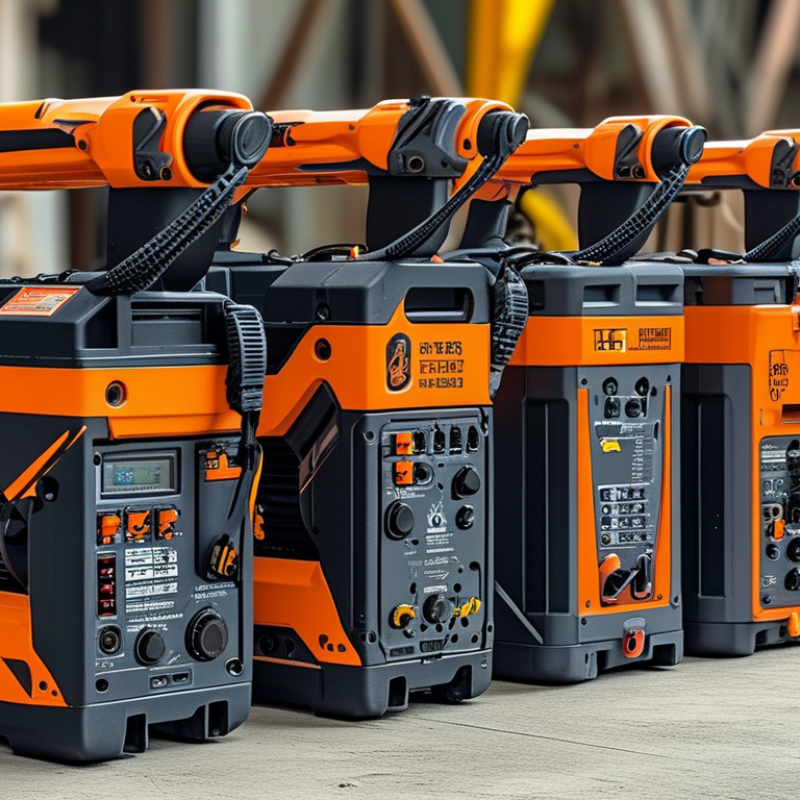
How to Choose the Best Portable Hydraulic Power Pack for Your Needs?

Choosing the right Portable Hydraulic Power Pack can be challenging. Many options are available, each with unique features. Understanding your specific needs is crucial.

Consider the power output, size, and mobility. A compact design is essential for easy transport. Think about the tasks you plan to perform. Are they heavy-duty or light work? A versatile power pack suits various applications.

Researching reliable brands is vital. Look for customer reviews. Check the warranty and support services. Invest time to ensure you make an informed choice. A thorough selection process will enhance your efficiency and productivity. Understand that choosing poorly can lead to frustration later.
How to Choose the Best Portable Hydraulic Power Pack for Your Needs?

Understanding Portable Hydraulic Power Packs and Their Applications

Portable hydraulic power packs are essential tools in many industries. They provide power to hydraulic tools, making them efficient and effective. Understanding their applications can help users select the right unit for their needs. These power packs come in various sizes and capacities. Knowing the specifics of your tasks will guide you in your choice.

Common applications include construction, farming, and automotive repair. They can drive hydraulic jacks, cutters, and winches with ease. A thorough understanding of your workflow ensures you choose a model that fits your operational demands. Sometimes, users overlook pressure ratings or flow rates. This oversight can lead to subpar performance in critical situations.

While portability is a key feature, it shouldn't be the only focus. Assessing the durability of materials is important as well. Make sure the unit can withstand tough job site conditions. Many users realize too late that portability and durability are crucial. A robust power pack can save time and money in the long run. Always weigh your options carefully; it could make a significant difference in your projects.

Key Factors to Consider When Selecting a Hydraulic Power Pack

When selecting a portable hydraulic power pack, evaluating your specific needs is crucial. The power pack's output pressure is key. Many models deliver between 1000 to 5000 PSI. If your tasks require high pressure, opt for units on the higher end of this range. Insufficient pressure may hinder performance, leading to inefficiency.

Consider the flow rate as well. Typical flow rates range from 1 to 10 GPM. Higher flow rates support faster operations on hydraulic machinery. For instance, if you’re powering a hydraulic cylinder, a higher flow rate can significantly reduce cycle time. Don’t forget about portability, too. Weight and size matter if the power pack needs to move frequently.

Battery runtime is another important factor. A report by the Hydraulic Institute reveals that about 25% of hydropower users experience runtime limitations leading to downtime. Assessing the battery’s capacity and charging time is essential. You want a power pack that supports your work duration without lengthy interruptions. Balancing these factors can help you choose a suitable hydraulic power pack tailored to your operational requirements.

Evaluating Power Output and Pressure Ratings for Your Needs

When evaluating the power output of a portable hydraulic power pack, understand your specific requirements. Different applications demand varying power levels. For instance, lifting heavy objects may require a higher output than simple tasks. Consider the maximum lifting capacity you'll need. This decision shapes the type of power pack that suits your project.

Pressure ratings are another critical factor. They determine how effectively a power pack can perform under load. A standard range for most applications is between 500 and 3000 psi. However, going too high might not always be necessary. An overly powerful unit can lead to excessive wear and tear. Conversely, selecting one with insufficient pressure can hinder operations.

Think also about portability. Heavier units often provide more power but can be cumbersome. Consider how often you'll be moving the equipment. The right balance between power and portability is essential for efficiency. Reflect on these aspects to find a suitable model that addresses your specific needs without overspending.

Assessing Portability Features and Design Considerations

When selecting a portable hydraulic power pack, assessing portability features is crucial. Weight and dimensions play a significant role in ease of transport. Many industry experts recommend keeping the weight under 75 pounds for optimal mobility. A unit that’s too heavy or bulky might hinder usage, especially in tight workspaces. The design should incorporate durable handles and possibly wheeled options for increased convenience.

Ease of operation is another key consideration. Controls should be intuitive, allowing operators to work without lengthy training. Reports indicate that 45% of hydraulic power failures stem from user error. Thus, a well-designed user interface can minimize operational mistakes. Additionally, look for a compact layout that facilitates maintenance. Ideally, all components should be accessible without dissembling the entire unit.

Lastly, consider the environmental conditions where the unit will be used. Many power packs aren't designed to withstand harsh weather. To ensure functionality, select models rated for extreme temperatures and moisture exposure. The industry shows that products built for such conditions often last 30% longer than standard models. This suggests that investing in better portability features and design considerations can lead to long-term benefits.

Comparing Brands and Models: What to Look For

When selecting a portable hydraulic power pack, it's crucial to weigh various factors. Start by considering the required pressure and flow rates. According to industry reports, optimal pressure typically ranges from 500 to 3000 PSI for most applications. Knowing this range will help narrow down your options.

Weight and portability matter too. Many professionals prefer units that weigh under 50 pounds for easier transport. Look for models with ergonomic handles. This can ease the burden during prolonged use. An average hydraulic power pack has a runtime of about 3-5 hours, so consider battery life. Ironically, a lightweight model may compromise power, raising the need for compromises.

Check for compatibility with your tools. Many models come with various connectors or adaptors. This enhances versatility across different tasks. Always review user feedback. Some units may appear reliable in specs but fall short in real-world performance. Real user reviews often highlight these discrepancies. Pay attention to hydraulic fluid requirements, as some packs might not be versatile with all fluid types.