INTERNATIONAL FLUID POWER, INC.

The Experts for Hydraulic Power Units, Components, and Custom Hydraulic Systems
Slider

Why Choose Stainless Steel Rebar for Your Project?

Choosing reinforcement is a practical decision with long-term consequences. In coastal structures, parking garages, and bridges exposed to deicing salts, moisture and chlorides can reach embedded steel through cracks or porous concrete. Stainless Steel Reba may help reduce corrosion risk in these demanding areas. Its value depends on the exposure, design, and quality of construction—not on the material alone.

Stainless reinforcement is often considered where repair access is difficult or future closures would be costly. It can offer strong corrosion resistance, but it usually costs more upfront than carbon steel. Not a universal fix. Engineers should confirm the appropriate alloy, bar size, detailing, and concrete cover against project specifications and exposure conditions. They should also compare initial cost with expected maintenance needs over the structure’s service life. A durable bar cannot compensate for poor drainage, inadequate cover, or careless placement. Details matter.

This guide examines the reasons project teams choose Stainless Steel Rebar, the environments where it may make sense, and the trade-offs that deserve careful review. It also highlights questions to raise with designers and suppliers, including material certification and compatibility with the project’s reinforcement schedule. One point is easy to overlook: a premium material still needs sound engineering. The best choice is the one supported by the site conditions, reliable documentation, and a realistic lifecycle assessment.
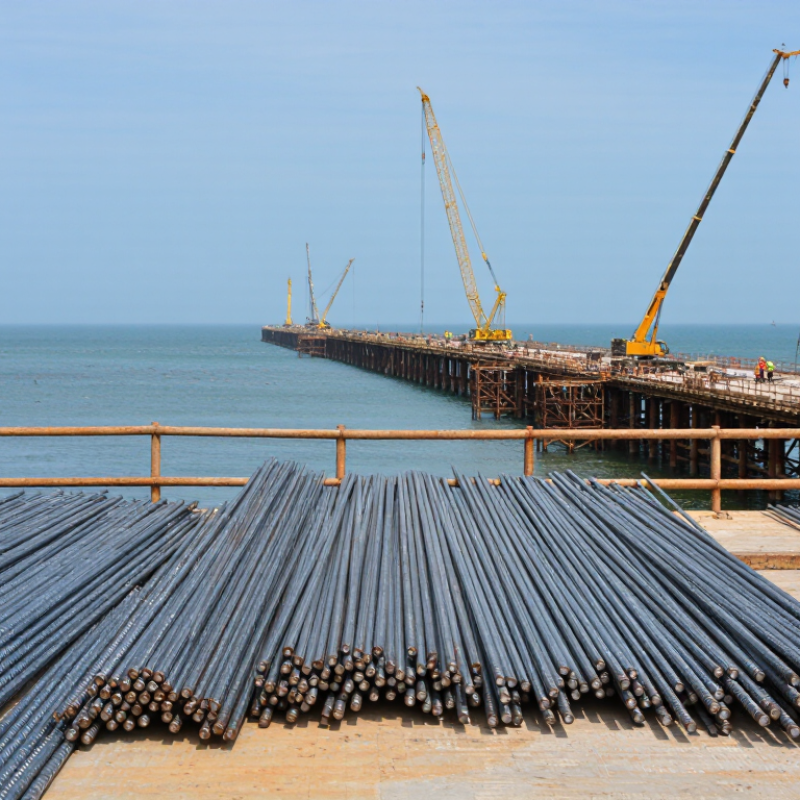
Why Choose Stainless Steel Rebar for Your Project?

What Stainless Steel Rebar Is and How It Is Made

Stainless steel rebar is reinforcing bar made from an iron-based alloy containing at least 10.5% chromium by mass. Chromium forms a thin protective oxide film on the surface. Nickel and molybdenum may also be added, depending on the grade and exposure conditions. The exact recipe matters: bars intended for salt spray or deicing-salt exposure may need different alloy choices. ASTM A955/A955M covers deformed stainless steel reinforcing bars used in concrete. A mill certificate helps confirm the bar’s grade and chemistry.

Manufacturing starts with melting and refining the alloy, followed by casting it into billets. The billets are reheated and hot-rolled through shaped grooves that form the familiar ribs. Those ribs help the bar grip concrete. Scale is typically removed during finishing, and bars are inspected against applicable requirements. Look closely at the ribs and ends on site; damage or unclear markings can complicate identification. Small details count.

The economic context is significant, though not rebar-specific. NACE International’s 2016 IMPACT study estimated global corrosion costs at US$2.5 trillion annually, or about 3.4% of global GDP. That figure covers corrosion across many industries, not stainless rebar alone. It still explains why material selection deserves careful review. Project teams should compare alloy grade, chloride exposure, service life, and installation details—not just the initial price.

How Stainless Steel Rebar Resists Corrosion

Stainless steel rebar resists corrosion through a thin, chromium-rich oxide film on its surface. If scratched, the film can reform when oxygen is available. Molybdenum in some stainless grades improves resistance to chloride attack, a key concern where de-icing salts or seawater reach concrete. The protection is built into the steel, not painted onto it.

The scale of the problem is significant. NACE International’s 2016 IMPACT study estimated corrosion costs at about $2.5 trillion worldwide, or 3.4% of global gross domestic product. That figure covers many industries, not just reinforced concrete. Still, it shows why corrosion control matters. In a bridge deck, chloride-laden water can seep through cracks and reach conventional steel, eventually causing rust, expansion, and concrete spalling.

Stainless steel can be useful in exposed zones such as bridge decks, marine structures, and parking ramps. But it is not magic. Grade selection, detailing, concrete quality, and workmanship still matter; poor drainage can leave saltwater sitting at the surface. Project teams should compare the initial material cost with inspection and repair needs over the structure’s intended service life. A useful question is not simply “Which rebar costs less?” but “Which reinforcement suits this exposure?”

Why Choose Stainless Steel Rebar for Your Project? – How Stainless Steel Rebar Resists Corrosion

Dimension Stainless Steel Rebar Carbon Steel Rebar Project Relevance
Corrosion protection mechanism Chromium in the alloy forms a thin, self-repairing passive oxide film when exposed to oxygen. Relies mainly on the surrounding concrete’s alkalinity and cover to limit corrosion. Stainless steel can provide additional protection if concrete is cracked, contaminated, or exposed to aggressive conditions.
Chloride exposure Generally more resistant to chloride-induced corrosion; resistance depends on the stainless grade and exposure conditions. Chlorides can break down the protective environment around the steel and initiate corrosion. Worth evaluating for marine structures, bridge decks, and areas exposed to de-icing salts.
Role of alloying elements Chromium enables passivation; molybdenum in some grades improves resistance to localized pitting and crevice corrosion. Typically lacks the chromium level needed to form stainless steel’s stable passive film. Select the grade based on chloride level, wetting, temperature, and other site-specific conditions.
Maintenance and repair Can reduce corrosion-related repairs when appropriately specified and installed; it does not eliminate all maintenance needs. Corrosion may lead to rust staining, cracking, or concrete spalling and can require repair. Consider whole-life costs, including inspection, repair access, and the consequences of structural disruption.
Design and specification Available in different alloy families and grades, with corrosion performance varying among them. Commonly specified for ordinary reinforced-concrete applications where exposure and design requirements allow. Confirm the applicable rebar standard, grade, detailing, and compatibility with the project’s design requirements.
Important limitation Performance depends on alloy grade, fabrication, surface condition, detailing, and the actual service environment. Corrosion risk depends on concrete quality, cover, cracking, chloride exposure, and maintenance. Use project-specific exposure assessment and qualified engineering design; no rebar choice guarantees a fixed service life.

Note: Corrosion resistance varies by stainless steel grade and project conditions. Consult the applicable standards and project engineer when selecting reinforcement.

Key Benefits for Structural Projects

Stainless steel rebar can be a practical choice for structures exposed to de-icing salts, seawater, or repeated wetting. Its corrosion resistance helps protect the reinforcement and reduce the risk of rust-related cracking and concrete spalling. That matters on a bridge deck where chloride-laden water reaches joints and small surface defects. The NACE International IMPACT study estimated global corrosion costs at US$2.5 trillion a year, or 3.4% of global GDP. This is an economy-wide estimate, not a forecast of savings from stainless rebar. Still, it shows why corrosion deserves attention during design.

For structural projects, the main benefit is durability where repairs are difficult, disruptive, or expensive. Stainless reinforcement can support longer maintenance intervals, but performance depends on exposure, concrete quality, detailing, and the selected steel grade. It also usually costs more upfront. Compare options over the structure’s expected service life, including access, repair, and traffic-disruption costs. No material is a cure-all. Assumptions about future maintenance can be wrong, so document them.

Tips: Map chloride exposure before specifying rebar. Check grade compatibility, cover depth, and connection details with the project engineer. Request project-specific lifecycle cost estimates, not just a price per tonne.

Where Stainless Steel Rebar Is Most Commonly Used

Where Stainless Steel Rebar Is Most Commonly Used

Stainless steel rebar is most useful where moisture and chlorides repeatedly reach concrete. Coastal seawalls, piers, and harbor decks face salt spray, wet-dry cycles, and abrasion. At bridge joints, runoff carrying road salts can collect around reinforcement. These conditions make corrosion resistance especially valuable. It is not a cure-all. Concrete cover, drainage, and careful placement still matter.

It is also used in structures that are difficult or costly to repair, including bridge decks, parking garages, tunnels, and water-treatment facilities. A garage ramp may receive brine from vehicle tires each winter. A tunnel section may stay damp for months. In these settings, repairs can require lane closures or difficult access. Stainless reinforcement can help reduce corrosion-related maintenance risks, but the alloy grade and details should match the project’s exposure and specifications.

Using stainless steel throughout a structure is not always practical. Not everywhere. Designers may use it in targeted zones, such as expansion joints, splash areas, or salt-exposed edges, and use conventional reinforcement elsewhere. That distinction needs clear drawings and on-site checks. Stainless bars can look similar to other steel before installation, so identification and handling deserve attention. It is an extra coordination step, and one that can be overlooked.

Why Choose Stainless Steel Rebar? Where It Is Commonly Used

Stainless steel reinforcement is often selected for concrete exposed to chlorides or difficult-to-repair conditions, where corrosion resistance can help extend service life.

Relative exposure scale: 1 = lower, 5 = very high. Ratings are qualitative comparisons of typical service environments, not measured corrosion rates or project-specific design values. Common applications include marine structures, bridge decks exposed to deicing salts, wastewater facilities, parking structures, and inland buildings.

How to Select and Install Stainless Steel Rebar

Stainless steel rebar can be a practical choice where concrete faces salt spray, deicing chemicals, or frequent wetting. Selection starts with the exposure, not the metal’s reputation. Review the structural drawings, specified bar grade, diameter, and applicable project standards with the engineer. A higher alloy may suit severe chloride exposure, but it can add cost without improving every detail. That trade-off deserves a real calculation.

Check that the supplied bars match the approved schedule and carry clear grade identification. Confirm lengths, bends, and required cover before delivery. Store bars on clean supports, above soil and standing water. Keep them separate from carbon-steel grinding dust; tiny rust-colored marks can complicate inspection. Clean tools help. So does careful handling. I have seen good material become a paperwork headache when labels disappear.

During placement, follow the drawings for spacing, laps, supports, and concrete cover. Use ties and accessories approved for the reinforcement system, and secure bars so workers cannot shift them while placing concrete. Avoid unapproved field heating, welding, or bending; these can affect performance. If a bar must be altered, pause and get written direction from the project engineer. That extra check may feel slow, and mistakes still happen, but guessing is worse. Before the pour, inspect the cage for debris, correct position, and stable supports.