How to Choose the Best Amplifier Audio Board for Your Needs?
Choosing the right Amplifier Audio Board can greatly enhance your audio experience. With the market growing rapidly, it's essential to make informed decisions. Recent industry reports indicate that the amplifier audio board market is expected to reach $1.2 billion by 2025. This growth reflects increasing demand for high-quality audio systems across various applications.
Experts emphasize the importance of careful selection. John Marks, a renowned audio engineer, once stated, “Selecting the right amplifier audio board is crucial for achieving optimal sound quality.” His insights underline the need for understanding your specific requirements. Limitations like budget, power output, and compatibility matter significantly.
Many users find it challenging to navigate myriad options. Features often overlap, making it tough to identify the best choices. An informed approach can lead to better performance. Sound quality may be subjective, but the wrong amplifier audio board can diminish your audio experience. Evaluating user reviews and expert opinions helps in making better decisions. Ultimately, understanding both technical specifications and personal listening preferences is vital for success.
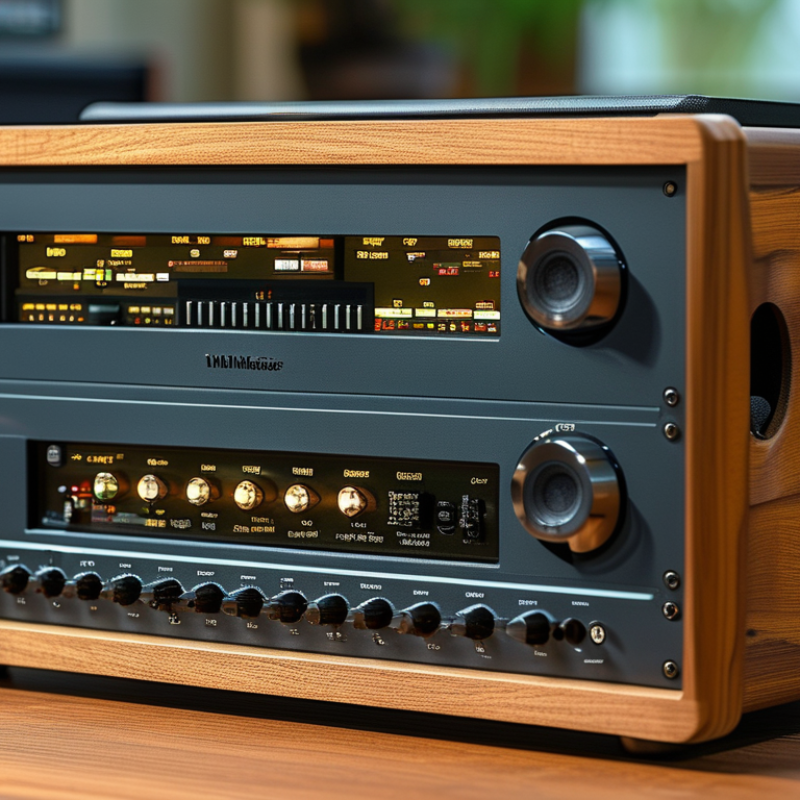
Understanding Amplifier Types: Class A, B, AB, and D Explained
When selecting an amplifier audio board, understanding amplifier classes is crucial. Class A amplifiers offer high fidelity, producing a warm sound. They operate by conducting current at all times, which leads to high power consumption. This continuous operation results in noticeable heat generation. Their performance is excellent for critical listening, but their inefficiency makes them less practical for casual use.
Class B amplifiers address the efficiency issue. They only conduct current half the time, reducing heat. However, they can introduce distortion at low volume levels.
Class AB amplifiers combine the best of both worlds. They operate like Class A at low levels, then switch to Class B for loud sounds. This method provides a good balance between performance and efficiency.
Class D amplifiers represent modern technology. They use pulse-width modulation to switch on and off rapidly. This efficiency makes them popular in portable devices. However, some audiophiles argue that Class D can lack the warmth of analog sound. Each class has pros and cons, making the choice subjective based on listener preferences. It's essential to consider your specific needs and usage scenarios.
Key Factors to Consider When Evaluating Amplifier Specifications
When evaluating amplifier specifications, several key factors come into play. Power output is crucial. Look for wattage ratings that match your speakers. The right power ensures sound clarity without distortion. Be cautious; too much power can damage your speakers.
Another critical factor is impedance. Most speakers operate at either 4 or 8 ohms. Ensure your amplifier can handle the impedance of your speakers for optimal performance. It’s easy to overlook this detail but doing so can greatly affect your audio experience.
Consider the total harmonic distortion (THD) rating as well. Lower THD values typically indicate cleaner audio. However, manufacturers may present numbers differently. This can create confusion. Pay attention to measurements across various frequency ranges. Remember, an amplifier that looks great on paper might not perform well in practice. Always reflect on your specific needs and listen critically. This approach will lead to a more satisfying audio experience.
Amplifier Specifications Comparison
This chart compares three different amplifiers based on their main specifications: Power Output, Total Harmonic Distortion, Signal-to-Noise Ratio, and Frequency Response. Choose an amplifier that best meets your audio needs by evaluating these specifications.
Matching Amplifier Power to Your Speaker Requirements: A Guide
Choosing the right amplifier power for your speakers is crucial. Power ratings are typically expressed in watts. Understanding your speakers’ requirements will help you find the best fit. Look for the speaker’s sensitivity rating. This tells you how much power is needed for high volume levels. A speaker with higher sensitivity needs less wattage.
Always consider the amplifier’s compatibility. An underpowered amplifier may distort sound. This could lead to potential damage over time. Overpowering, on the other hand, can overwhelm less robust speakers. Identify your listening habits. If you enjoy quiet background music, lower power might suffice. For energetic genres, more power ensures clarity and depth.
Experimenting with different power levels can be enlightening. You may discover preferences you didn’t know existed. Keep in mind that room size also plays a role. A small space doesn’t require as much power as a large one. Think about your long-term needs as well. Will your setup change? Allow for some flexibility to accommodate future upgrades.
The Role of Impedance in Choosing Your Audio Amplifier
Choosing the right audio amplifier involves understanding impedance. Impedance affects how much power an amplifier can deliver to speakers. This relationship is crucial. According to industry reports, a mismatch can lead to significant sound quality issues.
When the impedance of the speakers and the amplifier aligns, performance improves. Most home audio systems use speakers with impedance ratings of 4 to 8 ohms. An amplifier's output stage should match this to avoid underperformance. It’s not just about numbers; it’s about listener experience. Mismatched impedance can result in distortion, inefficient power use, and even damage.
Many audio enthusiasts overlook impedance and focus solely on wattage. This approach can backfire. Proper impedance ensures optimal power transfer and clarity. A comprehensive study published by the Audio Engineering Society highlighted that consistent impedance matching could improve sound clarity by upwards of 30%. However, many users report confusion with specifications. Understanding these technicalities requires some work, but the payoff is worth it. Balancing impedance thoughtfully leads to a richer audio experience.
Evaluating Additional Features: Bluetooth, EQ, and Connectivity Options
When selecting an amplifier audio board, evaluating additional features is crucial. Bluetooth capability is often at the top of the list. It allows for wireless audio streaming, which can simplify setup and enhance convenience. However, not all Bluetooth implementations are equal. Some might have latency issues or poor sound quality. It's important to test these features if possible.
EQ options also play a significant role. An adjustable equalizer lets you tailor the sound profile. This can enhance your listening experience but might require some technical knowledge. A steep learning curve can deter users. Yet, mastering an EQ can lead to substantially better sound.
Connectivity options like HDMI, optical, or aux outputs are essential as well. Consider where you will use the audio board. Different connections may suit different setups. Compatibility with your devices is non-negotiable. However, a lack of certain ports might limit versatility later on. Weighing these decisions can be tricky, but the right amplifier can elevate your audio experience significantly.
How to Choose the Best Amplifier Audio Board for Your Needs? - Evaluating Additional Features: Bluetooth, EQ, and Connectivity Options
| Feature | Description | Importance |
| Bluetooth Connectivity | Allows wireless streaming from smartphones and tablets. | High |
| Equalizer (EQ) | Offers sound customization by adjusting frequency levels. | Medium |
| Wired Connections | Includes RCA, AUX, and speaker output for traditional setups. | High |
| Power Output | Measured in watts, determines volume and quality of sound. | High |
| Size and Form Factor | Physical dimensions impact installation options and space. | Medium |
| Durability and Build Quality | Material quality affects lifespan and performance in various environments. | High |
| Price | Cost of the amplifier, influencing affordability. | High |
