How to Choose the Best Mechanical Seal for Water Pump?
Choosing the right Mechanical Seal For Water Pump is not a simple matter of matching dimensions. The seal must suit pressure, temperature, speed, water quality, and shaft movement. A clean domestic-water pump faces different demands than a hot, abrasive, or chemically treated system. Small details matter. A gritty shaft sleeve can damage a new seal within weeks.
Dr. Heinz P. Bloch, a respected rotating-equipment authority, puts the principle plainly: “A seal’s reliability depends on the entire rotating system, not the seal alone.” That view guides this practical introduction. We will examine face materials, elastomer compatibility, spring design, seal arrangement, and installation conditions. Ceramic and carbon faces may suit ordinary water, while silicon carbide can better tolerate abrasion. EPDM often performs well with water, but temperature and chemical exposure still require confirmation. Never choose by material name alone.
The pump’s operating history also deserves attention. Frequent starts, dry running, misalignment, and cavitation can shorten seal life dramatically. Sometimes, the seal is blamed unfairly. The real fault may be a bent shaft, blocked flush line, or excessive vibration. A reliable selection process therefore combines manufacturer data with field observations. Check the fluid. Measure the shaft. Review failure evidence. It is not perfect, though. Catalog information may omit important site conditions, and technicians may remember symptoms incorrectly. This guide recognizes those limitations while offering a clearer method for choosing a Mechanical Seal For Water Pump that works safely, efficiently, and consistently.
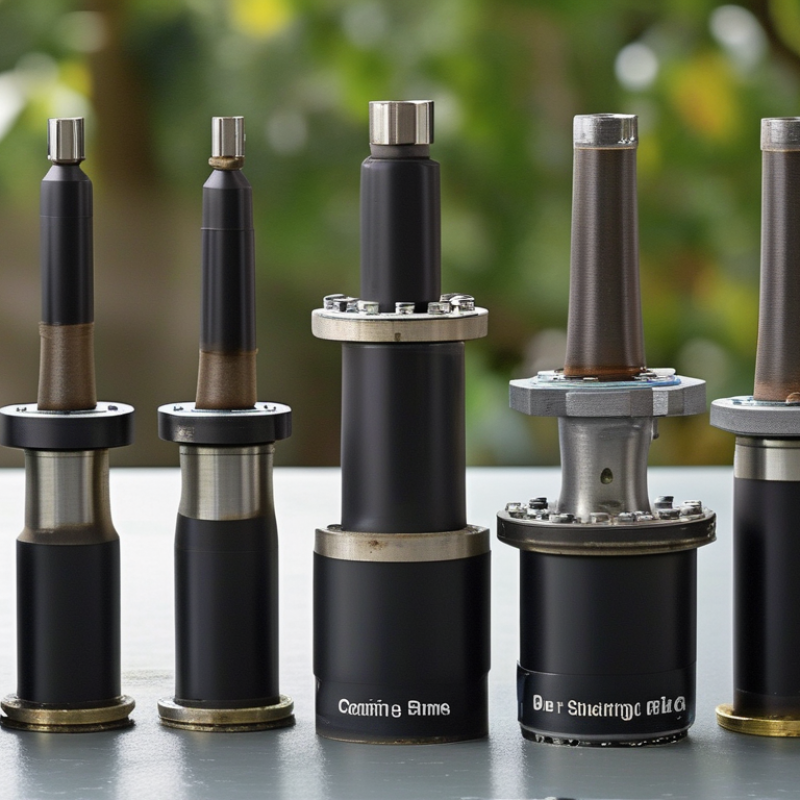
Mechanical Seal Basics for Water Pump Applications
How to Choose the Best Mechanical Seal for Water Pump?
Mechanical Seal Basics for Water Pump Applications
A mechanical seal prevents water from escaping where the rotating shaft leaves the pump casing. It usually contains two mating faces, an elastomer, a spring, and a stationary seat. The faces must remain flat and evenly loaded. Even a small scratch can create a visible leak.
Start with the pump’s operating conditions. Check:
- shaft diameter
- rotation speed
- pressure
- water temperature
- fluid cleanliness
Ordinary clean water may suit carbon and ceramic faces with a compatible elastomer. Abrasive water needs more careful face selection. Chlorinated or chemically treated water can also attack unsuitable rubber materials. Do not guess here.
Look closely at the installation space. A seal with the correct diameter may still have the wrong working length. Measure the old seal and inspect the shaft sleeve for grooves. A new seal cannot correct serious shaft damage. In field maintenance, dry running causes many early failures. Wet the faces with clean water during assembly, and keep fingerprints away from them.
Some choices fail quietly. A seal may run for weeks before pressure changes expose its weakness. I have seen specifications copied without checking actual pump conditions. That shortcut is convenient, but unreliable.
Confirm the seal design against the pump manual, operating records, and service environment. After installation, watch for heat, vibration, unusual noise, and gradual leakage. A little leakage during initial operation may deserve inspection, not automatic acceptance.
Key Factors in Selecting the Right Seal Material
How to Choose the Best Mechanical Seal for Water Pump?
Key Factors in Selecting the Right Seal Material
Selecting a mechanical seal for a water pump starts with the liquid, not the pump name. In field inspections, I check temperature, pressure, shaft speed, and water quality. Clean, cool water is less demanding than water from a construction site. Fine sand can wear soft faces within weeks. Chlorides may also attack metal parts. The seal must match real operating conditions.
Seal faces commonly use carbon, ceramic, or silicon carbide. Carbon offers good running properties in clean water. Ceramic handles many standard water applications and resists corrosion. Silicon carbide suits abrasive fluids and higher wear conditions. However, hardness alone does not guarantee success. The face combination must manage heat, pressure, and lubrication. An unsuitable pairing may leak quickly. Small details matter.
Elastomer selection is equally important. EPDM often suits hot water, while NBR can perform well with oils and some general fluids. Temperature limits must be checked carefully. I once treated clear water as harmless. That assumption was wrong. The water contained fine minerals that damaged the seal faces. Installation quality also matters. A clean shaft, correct spring setting, and smooth startup can prevent early failure. Manufacturer test data and recognized engineering standards should support the final choice. In practice, I still leave room for review, because site conditions rarely remain perfectly stable.
How to Match Seal Design with Pump Operating Conditions
How to Choose the Best Mechanical Seal for Water Pump?
How to Match Seal Design with Pump Operating Conditions
A mechanical seal should match the pump’s real duty, not only its shaft diameter. Check fluid temperature, pressure, speed, pH, and suspended particles before selecting materials. Clean, cool water may suit a balanced seal with carbon and ceramic faces. Hot water requires careful elastomer and secondary seal selection. A common mistake is treating “water” as one operating condition.
Pressure changes matter. In a multistage pump, discharge pressure can be much higher than the suction reading. A balanced seal usually reduces face loading in such service. For low-pressure circulation, an unbalanced design may work, but only within its rated limit. Measure pressure near the seal chamber when possible. Estimates can mislead.
Look at the site, too. If the pump sometimes runs dry during tank changes, choose a design with better tolerance for brief film loss, or correct the control sequence. Abrasive particles may need harder mating faces and a protective arrangement. At 2,900 rpm, even small shaft runout can create visible leakage. I have seen seals fail after a seemingly correct replacement because the sleeve was scratched and the faces were installed dirty. That experience is easy to overlook. Confirm dimensions, alignment, flush flow, and installation cleanliness before approval.
How to Choose the Best Mechanical Seal for Water Pump?
How to Match Seal Design with Pump Operating Conditions
The chart compares representative pressure limits for common mechanical seal designs used in water-pumping applications. Elastomeric single-spring seals are suitable for standard clean-water duties, while balanced cartridge, metal bellows, and split seals are better choices when pressure, temperature, shaft size, or maintenance requirements increase. Actual selection should also verify fluid chemistry, seal-face materials, shaft speed, and pump temperature.
Steps for Comparing Seal Quality, Compatibility, and Cost
Choosing the best mechanical seal starts with service conditions, not the lowest quotation. Record shaft diameter, speed, pressure, temperature, fluid chemistry, and pump alignment. A seal that handles clean water may fail quickly with sand, chlorine, or frequent dry starts. I measure the shaft and inspect the sleeve; drawings alone can mislead.
Compare quality through face materials, elastomer limits, spring design, surface finish, and documented leak testing. Ask for batch traceability and dimensional inspection records. ISO 21049 provides useful guidance for centrifugal pump sealing practice, while the Hydraulic Institute stresses correct operating conditions and maintenance. These references improve confidence, but paperwork is not proof. I still examine the lapped faces under magnification and check whether the spring moves freely.
Compatibility should be tested against actual water chemistry and temperature, not a generic “water” label. For cost, compare purchase price, installation labor, replacement frequency, energy loss, and downtime. The U.S. Department of Energy reports that pumping systems can represent 25–50% of industrial motor energy use. A poorly aligned seal may increase leakage and force repeated maintenance. Request a lifecycle-cost estimate over three years. The cheapest option often looks persuasive. I have seen estimates omit flushing, freight, and emergency labor. That omission deserves a second calculation. Consider a pilot installation on one pump, then record leakage, temperature, vibration, and operating hours before approving wider use.
Installation and Maintenance Checks for Long-Term Seal Performance
Choosing the best mechanical seal for a water pump begins with installation discipline. The U.S. Department of Energy’s Pumping Systems Sourcebook reports that pumping systems can consume 25–50% of industrial facility electricity. Poor sealing can add waste through leakage, friction, and repeated shutdowns. Confirm shaft size, pressure, temperature, fluid chemistry, and rotation direction before fitting. A seal designed for clean water may fail quickly in abrasive or chemically treated water. Check the shaft sleeve for scratches. Even a small mark can damage the sealing faces.
Alignment deserves careful attention. Use a calibrated gauge, not visual judgment alone. The Hydraulic Institute recommends following documented procedures for pump alignment, lubrication, and operating conditions. During startup, vent trapped air and avoid dry running. Observe the seal chamber for several minutes. A slight temperature rise may be normal, but rapid heating signals trouble. My practical mistake was trusting a new seal without checking pipe strain. It looked correct. It was not.
Tips: Keep faces clean and handle them with lint-free gloves. Record leakage, vibration, temperature, and operating hours after installation. Inspect elastomers during planned maintenance, especially after chemical exposure. Tighten fasteners evenly and never force the seal into place. The U.S. DOE also advises evaluating the complete pumping system, because inefficient operation often hides behind a single component. Maintenance intervals should follow actual conditions, not an optimistic calendar. Reconsider that assumption.
