INTERNATIONAL FLUID POWER, INC.

The Experts for Hydraulic Power Units, Components, and Custom Hydraulic Systems
Slider

How to Choose a Bathtub Floor Faucet

Choosing a Bathtub Floor Faucet is about more than matching polished metal to a freestanding tub. The faucet must reach the tub comfortably, stand securely, and fit the room’s plumbing layout. A spout that looks elegant in a product photo may splash across the floor when the tub sits farther away. Small details matter.

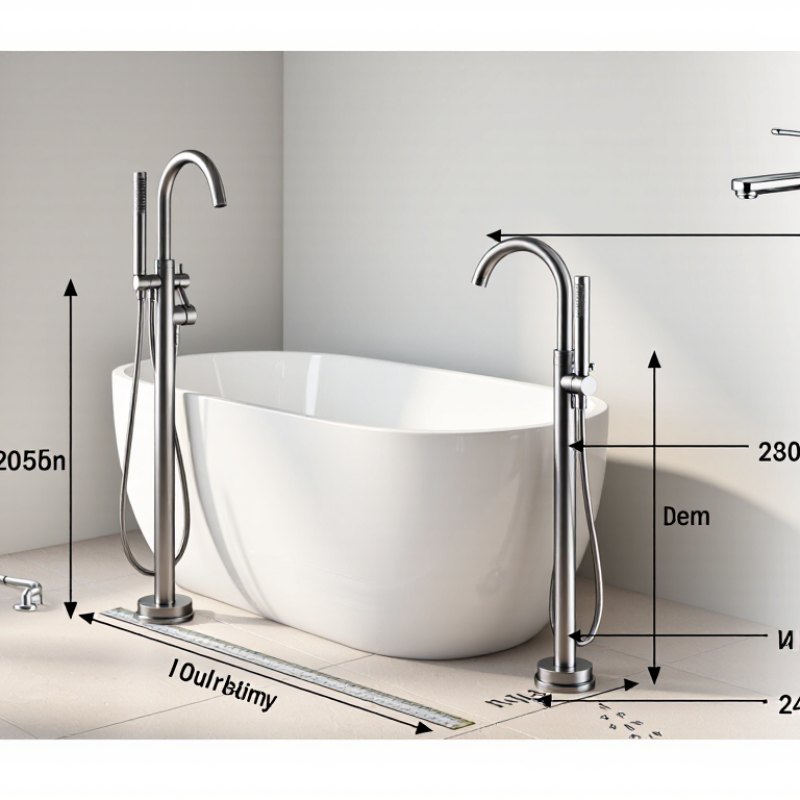
Before choosing a finish, measure the distance from the faucet’s planned position to the tub rim. Check spout reach, handle clearance, and the manufacturer’s rough-in requirements. A brushed finish can soften fingerprints; a hand shower adds practical reach for rinsing and cleaning. Yet extra features also mean more parts to maintain. That trade-off deserves a second look.

A named expert’s direct quotation should be verified before publication. No source article or quotation was provided here, so attributing invented words to a real plumbing specialist would be misleading. The reliable principle is simple: choose a fixture for the actual bathroom, not just the showroom image. Consider floor structure, water pressure, installation access, and future service needs. If the faucet will sit beside a narrow tub, mark its footprint with tape before ordering. It is a small test, but it can expose awkward handle placement early. This guide will help you compare styles, dimensions, materials, and installation considerations, so your Bathtub Floor Faucet feels deliberate in daily use—not merely impressive on day one.
How to Choose a Bathtub Floor Faucet

Identify Your Bathtub and Plumbing Requirements

Before choosing a bathtub floor faucet, identify the tub type and how its plumbing is arranged. A freestanding tub usually needs a floor-mounted faucet, while an alcove tub may already have wall or deck fittings. Measure the tub’s rim height and the distance from the planned faucet position to its inner edge. Measure twice. The spout should reach comfortably over the basin without sending water onto the floor. Check the faucet’s installation dimensions against the tub, not just a product photo. Small differences matter.

Next, find out where the hot and cold water lines can run beneath the floor. Floor joists, radiant heating, and concrete slabs can limit placement or require extra work. Ask a qualified plumber to confirm the rough-in location, pipe connections, and whether the floor can support the fitting securely. Also check how the faucet valve will be accessed if it needs service. No access can become a frustrating problem later. Take clear measurements and photos before ordering; I’ve found that a quick sketch often catches a spacing issue that memory misses. If the home is older, existing pipe sizes and shutoff locations may not match current plans. Leave enough clearance to clean around the base and operate the handles without bumping the tub.

Compare Faucet Types, Features, and Materials

A floor-mounted bathtub faucet suits a freestanding tub, but its pipe location must be planned before the floor is finished. Compare it with wall-mounted and deck-mounted models: those options may simplify pipe access, while a floor faucet needs a stable base and enough clearance around the tub. Check spout reach against the rim. A few centimeters can decide whether water lands neatly inside or splashes across the floor. Small detail. Big difference.

Compare the extras by how you actually bathe. A hand shower helps rinse the tub and wash children or pets; a diverter lets you switch between outlets. Check the hose length, handle position, and stated flow rate, not just the polished product photo. The U.S. EPA’s WaterSense specification sets a 1.5-gallon-per-minute limit for labeled bathroom sink faucets, compared with the federal 2.2-gallon limit for standard sink faucets. That benchmark is for sinks, not tub fillers, so use the tub faucet’s own flow data instead (U.S. EPA, WaterSense Faucet Specification).

Material affects weight, durability, and maintenance. Solid brass bodies are commonly chosen for their substantial feel; stainless steel offers strong corrosion resistance, while plated finishes need gentle cleaning to avoid surface damage. Confirm the product’s material details rather than judging by appearance alone. Also check whether the installation includes a service-access plan. It is easy to overlook, and inconvenient to regret later. Standard ASME/CSA plumbing-fitting requirements provide another useful reference for checking product compliance and performance documentation.

How to Choose a Bathtub Floor Faucet: Compare Faucet Types, Features, and Materials

Compare the typical plumbing and tub requirements for freestanding, deck-mounted, and wall-mounted bathtub faucets. A value of 1 means the feature is typically required; 0 means it is typically not required.

Freestanding faucets typically need floor plumbing, deck-mounted faucets need holes in a suitable tub deck, and wall-mounted faucets need plumbing in the wall. Requirements vary by model. Check the product specifications for body material and finish, as these can affect durability, cleaning, and corrosion resistance.

Check Floor-Mounting and Installation Compatibility

A floor-mounted bathtub faucet needs more than an attractive spot beside the tub. Confirm that its base can sit flat on the finished floor, with enough clearance from the tub rim and nearby walls. Measure from the faucet’s centerline to the tub edge, then compare the spout’s reach with the tub’s actual fill area. A short spout may splash; an overly long one can crowd the bathing space. Small differences matter.

Before ordering, check what lies under that spot. Supply lines must rise through the floor where the faucet requires them, and the subfloor or slab must support a stable attachment. With wood framing, ask whether joists or blocking need adjustment; do not assume the base plate alone provides enough support. Concrete floors can be harder to alter, so confirm the plumbing route and access plan with a qualified installer. Check finished-floor thickness, too, since tile and mortar can change the available mounting depth. The rough-in drawing is useful, but it is easy to read it too quickly. Match its dimensions to the tub you will actually install, not just a showroom model. Leave room for maintenance access where possible, and verify that the handle will not hit a wall or glass panel. A cardboard layout on the floor can reveal awkward reach before drilling or plumbing work begins.

Evaluate Water Flow, Reach, and Ease of Use

How to Choose a Bathtub Floor Faucet

Evaluate Water Flow, Reach, and Ease of Use

Water flow affects how long you wait for a comfortable bath. Compare the faucet’s stated flow rate with your tub’s capacity, and remember that household water pressure can change the actual fill time. A large soaking tub may need a higher flow rate than a compact tub. Check the faucet specifications and, if possible, ask an installer how your plumbing may affect performance. Small details matter.

Reach determines where the water lands. Measure from the faucet’s planned floor position to the tub rim, then check that the spout extends far enough to fill the basin without splashing onto the floor. A spout that barely clears the rim can be frustrating. Also consider whether the faucet will sit beside the tub or near its end; the wrong position may make the stream awkward to use. A simple cardboard mock-up can help you visualize the placement before installation.

Ease of use is about more than appearance. Choose controls that are easy to reach from the tub and simple to turn with wet hands. If the faucet includes a hand shower, check that its hose reaches the areas you want to rinse without pulling tight. Floor-mounted models need secure support and carefully planned plumbing, so confirm installation requirements before buying. It is tempting to focus on a sleek silhouette. Flow and reach are less glamorous, but they shape the everyday experience.

Balance Style, Durability, and Budget

A floor-mounted bathtub faucet is a visible fixture, but its finish should not outrank its construction. Match its shape to the tub and room: a slim, rounded spout softens a freestanding oval, while squared lines can suit a more angular space. Check the faucet’s reach and height against the tub rim before buying. A beautiful spout that lands water on the floor is a costly mismatch. Look for corrosion-resistant materials, sturdy internal components, and a finish the supplier can explain how to clean. I would not assume a heavier faucet is automatically better; the mounting and plumbing matter, too.

Budget for installation, not just the faucet. Houzz’s 2024 U.S. Bathroom Trends Study reported a $25,000 median spend for major bathroom remodels, up from $22,000 in 2022. That figure covers a full remodel, not a faucet allowance, but it shows how quickly bathroom costs add up. Ask a plumber whether the floor connection is already positioned correctly; moving it can change the total substantially. Compare warranty terms and replacement-part availability alongside the price. A low-cost model may look like a saving. Not always. I’d rather pay for dependable fittings than an elaborate finish that is hard to maintain, though the right balance depends on how often the tub is used and what the room can support.

How to Choose a Bathtub Floor Faucet — Balance Style, Durability, and Budget
Decision Factor What to Compare Practical Guidance Budget Impact
Overall style Contemporary, traditional, or transitional design Match the faucet’s shape and handle style to the tub and other bathroom fixtures. Check that the spout reaches over the tub rim and directs water into the basin. Design details can affect price; prioritize fit and function before decorative features.
Base material Brass, stainless steel, or plated lightweight metals Brass and stainless steel are commonly used for durable faucet bodies. Ask for the body material, not just the finish, because a surface coating does not reveal what is underneath. Solid metal construction often costs more initially but may be a worthwhile choice for a frequently used fixture.
Finish durability Chrome, brushed nickel, or other coated finishes Chrome is generally easy to clean but shows water spots. Brushed finishes can make fingerprints and minor marks less noticeable. Follow the maker’s care instructions and avoid abrasive cleaners. Specialty finishes may add cost; compare warranty coverage and cleaning requirements.
Valve and controls Cartridge type, handle operation, and replacement-part availability Choose smooth, easy-to-operate controls and confirm that cartridges or other service parts can be obtained. A pressure-balancing or thermostatic control is a separate feature and should be specified if temperature control is important. More advanced temperature-control options can raise the purchase and installation cost.
Hand shower Included or separate hand shower, hose length, and holder position A hand shower can help with rinsing and cleaning. Check that the hose reaches comfortably into the tub and that the holder is accessible without pulling the hose taut. Included hand showers may offer better value than adding compatible parts later; verify what is included.
Installation requirements Floor-mounted rough-in, water supply location, and floor support Floor-mounted faucets require supply lines and a secure mounting point beneath the floor. Confirm the faucet’s rough-in requirements before finishing the floor; access for future servicing is also important. Installation can be more involved than replacing a wall- or deck-mounted faucet, especially in an existing bathroom.
Spout height and reach Spout clearance above the tub rim and horizontal reach Compare the product dimensions with the tub’s height, rim width, and placement. Allow enough clearance to fill the tub without splashing and confirm that the spout does not obstruct entry or use. Correct sizing can prevent costly changes after the floor and plumbing are installed.
Water flow Published flow rate and local requirements Check the stated flow rate and applicable local plumbing rules. Actual filling time also depends on household water pressure and the tub’s capacity. Flow rate alone does not determine price; verify performance details before comparing models.
Warranty and service Coverage for the finish, valve, and faucet body Read the warranty terms for exclusions, proof-of-purchase requirements, and whether labor is covered. A product warranty may cover parts but not installation costs. Clear parts support can reduce future repair uncertainty, even if the initial price is higher.
Indicative faucet-only budget Entry-level, mid-range, and premium products As a broad U.S. retail guide, floor-mounted tub fillers may range from roughly $300–$700 at the entry level, $700–$1,500 in the mid-range, and $1,500 or more at the premium end. Prices vary by material, finish, features, and seller. These are approximate product prices only. Plumbing work, floor access, rough-in parts, and repairs are additional costs; request an itemized installation estimate.