INTERNATIONAL FLUID POWER, INC.

The Experts for Hydraulic Power Units, Components, and Custom Hydraulic Systems
Slider

2026 How to Choose the Best Gummy Making Machine?

Choosing the right Gummy Making Machine in 2026 requires more than comparing speed and price. A reliable machine should match your product formula, production volume, facility layout, and quality standards. Small details matter. For example, a stable depositing system can keep each gummy close to its target weight, while accurate temperature control protects texture and flavor during cooking.

Look closely at the machine’s contact materials, cleaning access, mold options, and control system. Food-grade stainless steel, removable parts, and clear operating records support safer daily production. A PLC interface may simplify recipe changes, but only when operators receive practical training. Ask the supplier for production samples, factory references, maintenance schedules, and documented performance data. Photos alone are not enough.

Your decision should also consider future products. A machine designed for one shape may limit expansion into vitamins, fruit flavors, or sugar-free recipes. Energy use, cooling capacity, labor requirements, and spare-part availability can strongly affect long-term costs. These issues are easy to overlook during an impressive factory demonstration.

No machine is perfect. A faster line may create more complex cleaning demands. A lower purchase price may bring higher maintenance expenses later. I have found that realistic testing often reveals problems that brochures hide. Before signing an order, run your actual formula if possible. Measure weight variation, cooking consistency, demolding quality, cleaning time, and operator workload. The best Gummy Making Machine is not simply the fastest option. It is the one that delivers repeatable results, manageable upkeep, and dependable support as your business grows.
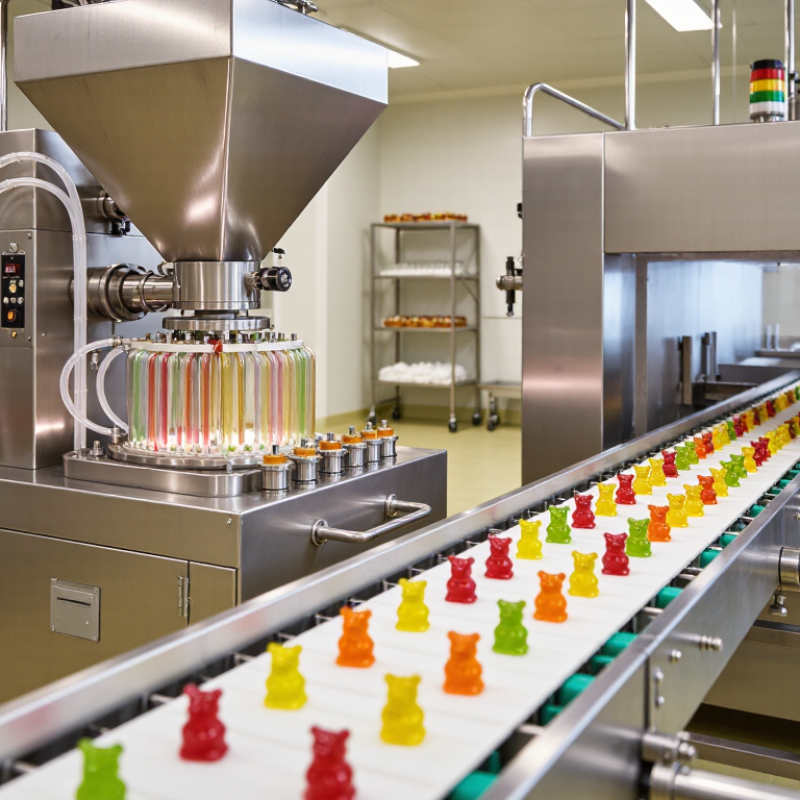
2026 How to Choose the Best Gummy Making Machine?

What Is a Gummy Making Machine?

A gummy making machine is food-processing equipment that converts a prepared mixture into shaped, chewable pieces. It usually heats, blends, deposits, cools, and releases the product through a controlled sequence. The mixture may contain gelatin, pectin, sweeteners, flavors, and permitted colors. Each ingredient affects texture and processing time.

In practical production, the machine must control temperature and viscosity carefully. If the mixture becomes too thick, nozzles may clog. If it stays too hot, shapes can lose definition. Operators commonly check deposits, mold surfaces, cooling performance, and cleaning access during each run. Small details matter. A clear control panel also reduces mistakes during busy shifts.

When choosing a machine in 2026, examine its output range, mold flexibility, food-contact materials, and maintenance requirements. Stainless steel construction is useful, but it does not replace proper sanitation procedures. Ask for operating data, safety documentation, training support, and realistic testing with your recipe. A machine may perform well in a demonstration and behave differently in daily production. That possibility deserves attention. Automation improves consistency, but it cannot repair an unstable formula or careless inspection. Manual checks still have value, especially when texture, weight, or appearance changes unexpectedly.

Which Types of Gummy Making Machines Are Available?

Gummy making machines differ mainly in how they cook, deposit, shape, and cool the product. A depositing machine pumps heated gummy mass into starch-free molds, often made from silicone or metal. It offers clean changeovers, accurate piece weights, and clear shapes. This option suits manufacturers producing fruit chews, vitamins, or mixed-color pieces.

Starch molding machines use trays filled with conditioned starch. A mold board presses cavities into the starch, and the depositor fills them with syrup. The starch supports delicate shapes during setting, but it creates dust, cleaning demands, and material-handling work. A one-shot machine deposits shell and center filling together. It works well for layered textures, though filling temperature and viscosity must stay stable.

Rope extruders form a continuous gummy rope before cutting it into uniform pieces. They can support simple shapes and steady output. Batch cooking systems are different. They prepare the gummy base, while a separate depositor or forming unit handles shaping. Small producers may prefer compact batch equipment for recipe trials. Large facilities often need automated cooking, depositing, cooling, and packaging connections.

The first specification is often wrong. I would test a sample recipe before selecting capacity. Check heating accuracy, hopper size, mold flexibility, cleaning access, and operator controls. A machine that runs quickly but leaves syrup in hidden corners can increase waste and sanitation risks. Food-contact parts should be documented, and production records should track temperature, weight, and cleaning checks. Small details matter.

How to Match Machine Capacity With Production Needs

When choosing a gummy making machine, match its real output with your production plan.

Capacity should reflect daily orders, working hours, changeover time, and maintenance needs. Start with your target units per hour. Then add a practical buffer of 15–20 percent for stoppages and quality checks. Do not select a machine by its maximum advertised speed alone. Test results under your actual recipe are more useful. A dense formula, larger mold, or longer cooling cycle can reduce output.

Room matters. Leave space for operators, cleaning, storage, and safe movement around the line.

Tips:

Record weekly demand before choosing capacity. Ask for a trial using your intended recipe and mold size. Measure finished pieces, not only filled cavities. Run the test for several hours. Short demonstrations can hide heating delays and filling inconsistencies.

One mistake is common: planning for today’s orders only. A machine running at full capacity every day may leave no room for seasonal demand or equipment servicing.

Experienced producers also compare batch size with labor availability.

A smaller machine may suit frequent product changes and limited staffing. A larger unit may reduce handling but increase setup waste if demand is uncertain.

Review the machine’s cleaning time, temperature control, filling accuracy, and reject rate. These details affect usable capacity.

A capacity spreadsheet can help, but it will never replace a controlled production trial.

Which Features Affect Gummy Quality and Efficiency?

2026 How to Choose the Best Gummy Making Machine?

Gummy quality depends on controlled details, not impressive machine size. In production trials, accurate depositing often matters most. A stable servo-driven depositor keeps each cavity filled evenly. This creates consistent weight, shape, and texture. Small volume errors become obvious after packaging.

Temperature control also affects gummy quality. A reliable heating system should prevent hot spots in the syrup. Excessive heat can weaken color and flavor.

Cooling performance matters too. If molds cool unevenly, gummies may stick or develop soft edges.

Choose a machine with adjustable cooling zones, clear temperature displays, and simple calibration access. Sanitary construction is equally important. Smooth stainless-steel surfaces reduce residue and simplify daily cleaning.

Efficiency comes from practical design. Quick-change molds can shorten product changeovers. Automated dosing reduces repetitive manual work.

A useful control system should record temperatures, speeds, and production faults. Do not choose the most automated option automatically. Complex controls may slow operators when training is limited.

I have seen efficient lines lose time because cleaning access was overlooked. That mistake deserves attention.

Tips:

Test the machine with your actual syrup formula. Check weight variation across several batches. Inspect one gummy from each mold row. Ask how long a full washdown takes. Leave room for improvement.

How to Compare Costs, Safety, and Maintenance Requirements

2026 How to Choose the Best Gummy Making Machine?
How to Compare Costs, Safety, and Maintenance Requirements

A low purchase price can hide expensive production problems. Compare the full ownership cost, not only the machine quotation. Include molds, heating systems, installation, training, energy use, and replacement parts. A practical cost sheet should estimate output per hour and product waste. My first comparison focused too heavily on price. That was a mistake. A cheaper machine may require more manual handling and longer cleaning time.

Safety deserves direct inspection. Check whether food-contact surfaces use suitable, documented materials. Guards should protect moving parts without blocking routine access. Emergency stops must be visible and easy to test. Temperature controls need stable readings, especially around heated syrup. Ask for operating instructions, risk assessments, and electrical documentation. Do not accept vague promises. Watch the machine running, if possible.

Maintenance affects every production day. Look for removable pipes, accessible pumps, and smooth surfaces without hidden corners. Cleaning should not require awkward tools or excessive dismantling. Ask how often seals, heating elements, sensors, and cutting parts need replacement. Keep spare parts costs in the budget. It is easy to underestimate downtime. A maintenance log can reveal recurring faults, although small teams may forget to update it. Choose equipment with clear service procedures, realistic support, and parts that can be sourced reliably.