International Fluid Power Inc.
International Fluid Power - Innovative Partners For Global Sourcing Of Fluid Power Products. Your Complete Hydraulic Source in SE Minnesota.
Rotating Machines play a crucial role in various industries. They are essential for tasks ranging from heavy lifting to precision manufacturing. However, many overlook their maintenance. This neglect can lead to reduced efficiency and unexpected breakdowns.
To ensure optimal performance, regular inspections are vital. Operators should check alignment, lubrication, and wear. Each of these aspects can significantly affect the lifespan of rotating machines. Small issues can escalate quickly if not addressed.
Many operators often rush through maintenance checks. This haste can result in missed details, leading to bigger problems. Reflecting on these practices is essential for improvement. The cost of downtime can be much greater than the time spent on proper maintenance. Proper care can enhance performance and reliability, making it worth the effort.
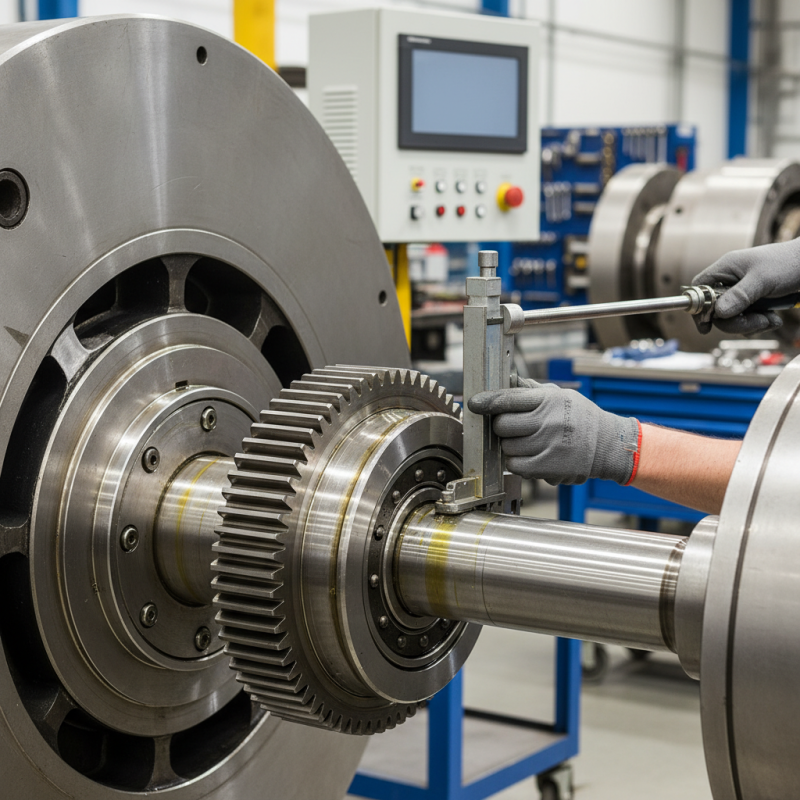
Regular maintenance of rotating machines is crucial for their efficient operation. Neglecting this can lead to significant downtime and costly repairs. Periodic checks on bearings, lubrication levels, and alignment of components can prevent unexpected failures. It's wise to schedule maintenance during off-peak hours to minimize disruptions.
The importance of regular checks is often underestimated. Many operations overlook small issues until they escalate. A tiny misalignment can quickly cause wear and tear, impacting performance. Simple inspections can save time and money. It's not just about fixing problems; it's also about identifying potential risks early.
Observing and recording performance metrics can guide better maintenance strategies. Examine vibration levels, temperature changes, and noise patterns. Each detail tells a story about the machine's health. However, human error often creeps in. Operators may miss critical signs or delay necessary actions. Therefore, fostering a culture of proactive maintenance can lead to improved reliability and efficiency.
Maintaining rotating machines is crucial for ensuring their performance and longevity. The type of rotating equipment greatly influences the maintenance practices. For instance, pumps, motors, and turbines have distinct requirements. Each component's maintenance schedule can vary significantly based on usage. According to a report from the International Journal of Engineering Research, improper maintenance can lead to up to 30% of operational costs in some industries.
Regular inspections are key. They help identify wear and tear before it escalates. Vibration analysis is a powerful tool for detecting issues early. Monitoring vibration can prevent breakdowns and extend machinery life. Also, lubrication management is vital. Poor lubrication can result in increased friction and higher temperatures. Ensure that lubricating oils are changed regularly and based on machine hours.
**Tips:** Schedule routine checks. Update maintenance logs diligently. Train personnel on inspection techniques. Remember, a proactive approach can prevent costly downtimes. Furthermore, document any anomalies. Reflection on past maintenance instances can provide insights for improvement. Continuous improvement is essential in achieving optimal equipment performance.
Monitoring rotating machines is essential for ensuring their performance. Regular checks can help identify potential issues before they escalate. Vibration analysis is one effective method. It measures machinery vibration patterns. Abnormal vibrations can indicate misalignment, imbalance, or bearing failures.
Tips: Schedule routine vibration checks. Use handheld devices for quick assessments. Record data consistently.
Thermography is another helpful technique. It detects heat patterns in machines. Excessive heat can signal friction or electrical faults. Early detection can prevent costly downtime.
Tips: Inspect machinery regularly under varying operational conditions. Compare thermal images over time for identifying trends.
Don't overlook lubrication maintenance. Poor lubrication causes wear and tear. Monitor lubricant levels and quality frequently. Even minor lapses can lead to major issues later.
Tips: Keep a lubrication log. Set reminders for routine checks. Consider using automated systems to ensure proper application.
Lubrication is crucial for the performance of rotating machines. Proper lubrication reduces friction and wear. It ensures smooth operation and prolongs equipment life. There are various lubrication techniques to consider. Choosing the right method can make a significant difference.
Grease and oil are common lubricants for rotating machinery. Grease is often used in environments with limited access. It stays in place and provides lasting protection. Oil, on the other hand, works well for higher speeds and temperatures. It circulates throughout the system, cooling and cleaning components. However, selecting the right viscosity is important. Too thick or too thin can lead to issues.
Regular inspection is essential. Checking for oil levels and contamination prevents failures. When lubricant degrades, it can form sludge, harming performance. It’s critical to pay attention to temperature changes. High temperatures might indicate lubrication issues. Remember, maintenance is not always perfect. Adjusting your approaches based on performance data helps improve reliability.
Maintaining rotating machines is vital for their longevity and efficiency. A well-structured maintenance schedule can prevent unexpected breakdowns. Regular checks can catch wear and tear early. For rotating machinery, assessing vibration levels is crucial. Sad to say, many operators ignore this step.
Tips: Monitor vibrations weekly. This simple act helps identify issues fast.
Keeping records of maintenance is another best practice. Logs reveal patterns over time. You might notice a recurring issue that points to a larger problem. Missing this could lead to costly repairs in the future.
Tips: Use a spreadsheet for easy tracking.
Lastly, train your staff on maintenance protocols. Knowledgeable employees can spot problems quicker. If they lack proper training, even minor tasks may be overlooked. This could lead to machinery not reaching optimal performance. Regular workshops can boost their skills and awareness.
This is an example of a widget area that you can place text to describe a product or service. You can also use other WordPress widgets such as recent posts, recent comments, a tag cloud or more.
© 2025 International Fluid Power, Inc. All Right Reserved.