INTERNATIONAL FLUID POWER, INC.

The Experts for Hydraulic Power Units, Components, and Custom Hydraulic Systems
Slider

10 Portable Car Charging Tips for Global Buyers

Buying a portable charger for a car can feel simple until voltage, connectors, and regional standards enter the decision.

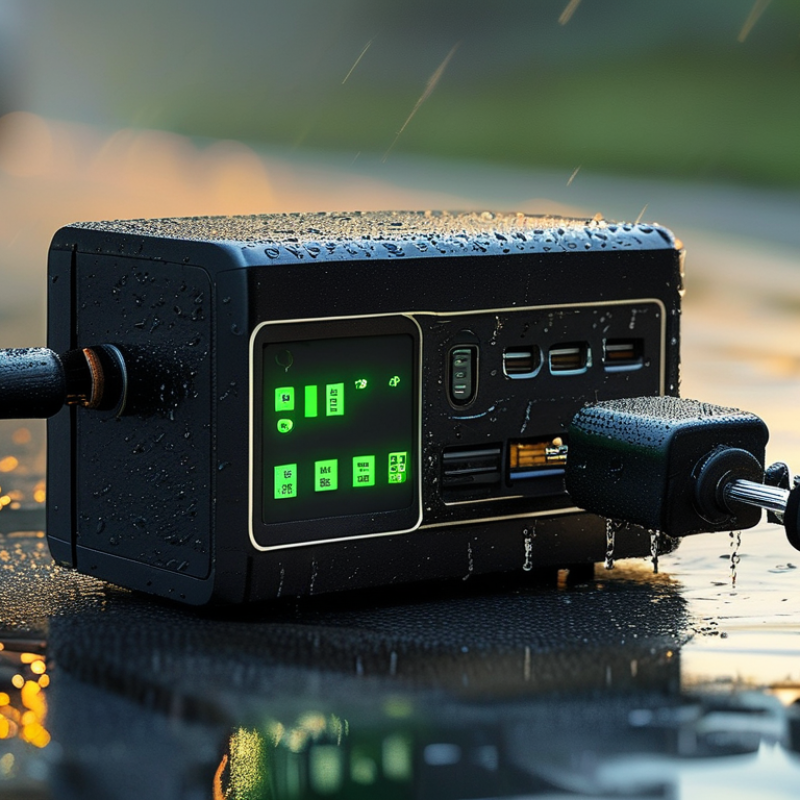
Portable Car Charging offers flexibility for road trips, rental vehicles, emergencies, and homes without permanent charging equipment. Yet a compact case does not guarantee safe or reliable performance. Global buyers should examine input voltage, output current, plug compatibility, cable length, weather resistance, and vehicle requirements. A charger used beside a rainy motorway needs different protection from one stored in a dry garage.

Small details matter.

From practical testing, heavy cables can become awkward after several minutes of handling. A bright display helps at night, but confusing symbols can still cause mistakes. Buyers should choose products with clear instructions, temperature monitoring, overcurrent protection, and recognized safety certifications for their market. Certification names differ by region, so local guidance and the vehicle manufacturer’s manual deserve attention.

This guide presents ten practical charging tips for international customers. It considers different climates, travel habits, electrical systems, and after-sales support. It also questions common assumptions. The highest power rating may not be the best choice. The cheapest adapter may create delays, poor fit, or uncertain support. Even experienced drivers can overlook storage temperature or cable wear.

Reliable charging begins with matching the equipment to the vehicle and the destination. Check the details before purchase. A few careful minutes can prevent a long roadside wait.
10 Portable Car Charging Tips for Global Buyers

Assess Your Vehicle’s Charging Compatibility

10 Portable Car Charging Tips for Global Buyers

Assess Your Vehicle’s Charging Compatibility

Before buying a portable charger, identify your vehicle’s charging port and charging method. A battery-electric vehicle usually supports AC charging through its onboard charger. Some models also accept DC charging, but portable equipment may not provide it. Plug shape alone is not enough.

Check the vehicle manual for voltage, maximum amperage, and supported charging modes. Compare these details with the charger’s specifications. A charger rated for higher current may still be unsuitable for a vehicle or household circuit. Charging speed depends on the lowest-rated component.

Inspect the outlet before travelling. Look for its voltage, frequency, grounding, and circuit rating. A loose wall socket can become hot during several hours of charging. I have seen buyers focus on adapters while overlooking the socket itself. That mistake is easy to repeat. Use a properly grounded outlet and avoid extension cords unless the vehicle and charger instructions specifically allow them.

Regional compatibility needs extra care. Connector standards, household voltage, and electrical rules can differ between countries. An adapter may change the plug shape, but it may not convert voltage or frequency. Confirm local requirements with a qualified electrician when the information is unclear. Keep the vehicle identification details available when contacting technical support. Small differences matter, especially when charging overnight in an unfamiliar garage. Test the complete setup at low current before relying on it during a long trip.

Assess Your Vehicle’s Charging Compatibility

This chart shows the approximate input power available from common single-phase household charging configurations. Power is calculated as voltage × current and represents the maximum electrical input before charging losses. Before using a portable charger, confirm that the vehicle accepts the local AC supply, the connector is compatible, the circuit is properly rated, and the charger’s current setting matches the outlet and electrical installation.

Choose the Right Portable Charger for Your Region

10 Portable Car Charging Tips for Global Buyers

Choose the Right Portable Charger for Your Region

A portable charger must match your region, vehicle, and daily driving conditions. Check the car socket voltage before choosing a model. Many vehicles use 12-volt outlets, but current limits vary. A charger drawing too much power may trip the socket or overheat the cable.

For electric vehicles, confirm the local plug, connector, voltage, and maximum current. Some regions commonly use 120 volts, while others use 230 volts. Check whether the charger supports your home supply safely. A plug adapter alone does not change voltage. Look for recognized regional safety certification, clear temperature ratings, and overload protection. Ten useful checks include cable length, weather resistance, display clarity, storage size, charging speed, socket fit, spare fuses, warranty coverage, local service, and emergency support.

Climate matters more than many buyers expect. Heat can soften cables, while freezing weather reduces battery performance. Keep the charger dry and away from direct sunlight. A grounded outlet is essential for portable EV equipment. Never use a damaged cable or loose extension connection. I still pack too many adapters sometimes, but guessing creates bigger problems. Read the regional manual, test the charger at home, and keep a small flashlight in the vehicle.

10 Portable Car Charging Tips for Global Buyers - Choose the Right Portable Charger for Your Region

Tip Target Region Typical Supply Voltage & Frequency Common Household Plug Types Vehicle AC Charging Connector Portable Charger Selection Guidance Recommended Charging Approach Important Safety Check
1 United States & Canada Typically 120 V, 60 Hz. Some dedicated circuits may provide 208–240 V. Type A and Type B Type 1 (SAE J1772) is common for AC charging; some newer vehicles use a combined charging inlet. Choose a charger rated for the local voltage and plug configuration. Do not use a 230 V-only charger on a standard 120 V outlet. Use a dedicated 120 V circuit for low-power emergency charging, or a properly installed 208–240 V circuit for faster portable AC charging. Confirm outlet grounding, circuit-breaker capacity, extension-cord restrictions, and the vehicle’s maximum AC input.
2 Mexico Commonly 127 V, 60 Hz. Certain properties may have 220–240 V service. Type A and Type B Type 1 is widely used for AC charging; combined charging inlets are also present on some vehicles. Select a charger that supports the actual voltage available at the intended charging location and includes adjustable current settings. Use a grounded outlet in good condition and avoid relying on household adapters that do not provide proper grounding. Have a qualified electrician verify voltage, polarity, grounding, and circuit protection before regular use.
3 European Union and most of continental Europe Typically 230 V, 50 Hz. Type C, Type E, and Type F are common for household use. Type 2 is the common AC charging connector for many passenger electric vehicles. Choose a 230 V portable EVSE with a compatible local mains plug or a correctly rated industrial socket connection. For occasional use, a lower-current setting can reduce stress on older domestic circuits; dedicated circuits are preferable for frequent charging. Check residual-current protection, earthing, socket temperature, and whether the outlet is approved for continuous high-load operation.
4 United Kingdom and Ireland Typically 230 V, 50 Hz. Type G Type 2 is widely used for AC charging. Use a portable charger with a genuine Type G plug or a dedicated connection designed for the local electrical installation. Prefer a dedicated circuit or a properly installed outdoor charging outlet. Keep the control unit and connections away from standing water. Verify RCD protection, socket condition, weather protection, cable routing, and the charger’s operating-current limit.
5 Australia and New Zealand Typically 230 V, 50 Hz. Type I Type 2 is common for AC charging, although vehicle inlets can vary by model. Select a portable charger with the correct Type I supply plug and a vehicle-side connector that matches the car’s inlet. Use a weather-resistant setup for outdoor charging and choose a current level suitable for the circuit and outlet rating. Do not use damaged sockets, unapproved travel adapters, or undersized extension leads; follow local electrical regulations.
6 Japan 100 V, 50 Hz in eastern areas and 60 Hz in western areas. Type A and Type B Type 1 is common for AC charging; vehicles may also include a separate DC charging inlet. Choose equipment specifically rated for 100 V operation and confirm that its current setting suits the available household circuit. Expect slower charging from ordinary 100 V outlets. A dedicated circuit can improve reliability where permitted. Check regional frequency compatibility, grounding arrangements, outlet capacity, and the vehicle manufacturer’s charging instructions.
7 China Typically 220 V, 50 Hz. Type A, Type I, and other locally used configurations may be encountered. GB/T connectors are widely used for electric vehicles manufactured for the Chinese market. Confirm both the vehicle-side GB/T connection and the local mains plug. A connector shape alone does not guarantee electrical compatibility. Use a charger certified for the local electrical system and select a current limit that matches the circuit and socket. Verify national charging requirements, grounding, protective devices, and compatibility with the vehicle’s communication protocol.
8 India Typically 230 V, 50 Hz. Type C, Type D, and Type M are commonly encountered. Vehicle connectors vary; Type 2 and combined charging systems are increasingly used, while some models use other interfaces. Match the charger to both the vehicle inlet and the exact wall-plug format. Prefer adjustable current and built-in protection. Use a dedicated, grounded circuit where possible and avoid high-load charging through loose or overheated domestic outlets. Check earthing quality, voltage stability, circuit-breaker rating, heat buildup, and protection against dust and moisture.
9 South Korea Typically 220 V, 60 Hz. Type C and Type F are common. Type 1 and Type 2 vehicle inlets can be found, depending on vehicle market and model. Confirm the vehicle connector, local supply plug, and charger frequency rating before purchase. Use a grounded outlet with suitable continuous-load capacity and select a moderate current setting for older installations. Check grounding, residual-current protection, outlet temperature, and compatibility with the vehicle’s onboard charger.
10 Brazil 127 V or 220 V, 60 Hz, depending on the location and installation. Type N is the current standard; Type A and other legacy arrangements may also be present. Type 2 and Type 1 are both encountered, depending on vehicle origin and model. Choose a charger that supports the measured local voltage and includes the correct vehicle connector and supply plug. Never assume the voltage from the plug shape. Use a dedicated circuit and a lower current when the installation is uncertain. Measure the outlet voltage, verify grounding and protection, and use a qualified electrician for permanent or high-power connections.
Regional electrical standards and vehicle connectors can vary by property, vehicle model, and installation date. Always confirm the charger rating, vehicle inlet, local regulations, and circuit capacity before use.

Compare Power Sources, Charging Speeds, and Plug Types

10 Portable Car Charging Tips for Global Buyers

Portable charging starts with the available power source. A household socket is convenient, but it usually delivers the slowest charging speed. A dedicated wall unit can provide steadier output and better thermal control. Public direct-current charging is much faster, yet it may be heavier, less portable, and harder to access during travel. Check the vehicle’s maximum charging rate before buying equipment. A higher-rated charger will not automatically charge the car faster. That detail is often misunderstood.

Plug types vary across regions, so inspect both the vehicle inlet and the wall connection. A plug adapter may change the shape, but it cannot correct voltage, frequency, grounding, or current limits. Use equipment tested for the destination country and confirm its safety markings through reliable local sources.

Keep the cable away from standing water, hot engine parts, and sharp edges. Never use a loose extension cable for high-current charging. It can become warm quickly.

I once underestimated cable length in a crowded parking area, and the connector pulled sideways. The session stopped. That small mistake deserved more attention.

Compare charging time, cable weight, socket compatibility, and weather protection together. A compact unit is useful only when it works safely with your actual route.

Use Safe Charging Practices in Different Environments

Portable car charging requires more than carrying a cable. Different countries use different plugs, voltages, and electrical systems. Check the charger’s input range before connecting it. A plug adapter changes shape, not voltage. Use a suitable converter only when the equipment instructions allow it.

Keep the charging area dry, shaded, and well ventilated. Never place a power unit on wet ground or beneath loose fabric. Rain can reach outdoor sockets surprisingly quickly. In hot climates, avoid charging on dark pavement during midday. High battery temperature may slow charging or trigger protection systems. In cold conditions, allow the battery to warm gradually. Do not force charging when warning lights appear.

Inspect the cable before every trip. Look for crushed insulation, bent pins, loose connections, or burn marks. Replace damaged parts instead of covering them with tape. Use a grounded outlet with protection against leakage current, and follow the vehicle and charger manuals. I once assumed a sheltered socket was safe, but wind-driven moisture proved otherwise. That mistake changed my routine. I now test the outlet, secure the cable away from tires, and stay nearby during the first charging cycle. Never use extension cords unless the manufacturer specifically permits them. An overloaded circuit can heat silently. Stop immediately if you smell melting plastic, hear unusual buzzing, or see discoloration. Keep a dry cloth and a small flashlight nearby for careful checks.

Maintain, Store, and Transport Your Portable Car Charger

A portable car charger needs regular care, especially when it travels between hot, cold, and humid regions. Check the cable, plug, casing, and indicator lights before every use. Look for cuts, bent pins, loose parts, or unusual heat. Keep it cool. Never pack the charger while it is warm or damp. Wipe dirt away with a dry, soft cloth, and follow the maintenance instructions in the user manual. Do not use household solvents or force a damaged connector into place.

Store the charger in a dry, ventilated case, away from direct sunlight and metal objects. If it contains a battery, check its charge level monthly and recharge it according to the manufacturer’s guidance. A fully neglected battery may lose capacity. I once assumed an unused charger needed no attention, and that assumption was careless. For transport, coil the cable loosely and protect every connector with its cap. Secure the unit so it cannot slide under a seat or strike other equipment. Before using it abroad, confirm voltage, plug, temperature, and vehicle compatibility. Local electrical requirements may differ. When uncertainty remains, ask a qualified technician rather than relying on an online guess. Do not improvise. Keep records of inspections for fleet or frequent travel use.