International Fluid Power Inc.
International Fluid Power - Innovative Partners For Global Sourcing Of Fluid Power Products. Your Complete Hydraulic Source in SE Minnesota.

Top 10 Base Manufacturers for Global Buyers
For global buyers, selecting a Base manufacturer is less about a polished catalog than consistent performance after shipment. A product may look right on a specification sheet, yet vary in dimensions, finish, or service life. Small differences matter. This guide introduces ten manufacturers for buyers comparing capacity, product range, quality systems, and export support. Each company should be assessed against the intended application, required tolerances, order volume, and delivery schedule. No supplier is best for every project.
Reliable sourcing also requires evidence, not broad promises. Buyers can request current technical data, sample parts, traceability records, and written quality procedures. Where practical, verify certifications with the issuing body and confirm that the named production site matches the quotation. Ask how the manufacturer handles nonconforming goods, packaging, and changes to materials or processes. These details can affect both cost and continuity. The companies in this overview offer a starting point for structured comparison, not a substitute for technical review or supplier due diligence. Even careful comparisons have limits. A ranking may overlook regional service, a niche capability, or a buyer’s unique constraints. Use the shortlist to ask sharper questions, then confirm claims directly before placing an order.
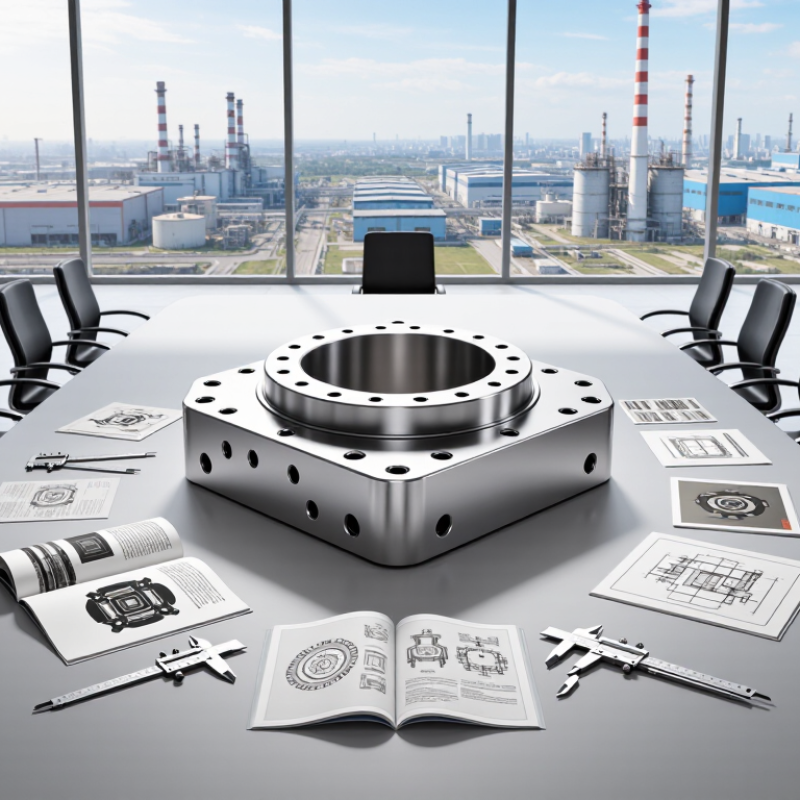
Understanding the Global Base Manufacturing Market
The global base manufacturing market is not one uniform industry. The term “base” can describe different products across sectors, so buyers should define the intended use before comparing suppliers. Material grade, dimensions, load requirements, surface finish, and expected service life all affect production choices. Small details matter. A sample part can reveal uneven edges or finish variation that a specification sheet may not show.
Manufacturers differ in tooling, order capacity, quality controls, and export experience. Ask how dimensions are checked, how batches are documented, and what happens when a part falls outside tolerance. A clear inspection record is more useful than a broad quality claim. Buyers should also consider packaging, shipping routes, and the supplier’s ability to maintain consistent output across repeat orders. Longer distances can complicate lead times. Not always. Supplier comparisons can be imperfect, especially when products use different materials or production methods. Requesting comparable samples and written specifications helps make the assessment more grounded. A careful review takes time, but rushed decisions can create costly fit or delivery problems.
Top 10 Base Manufacturers for Global Buyers - Understanding the Global Base Manufacturing Market
A country-level comparison of leading global manufacturing bases, ranked by approximate manufacturing value added.
| Rank | Manufacturing Base | Region | Manufacturing Value Added (2022, Approx.) | Major Production Strengths | Considerations for Global Buyers |
|---|---|---|---|---|---|
| 1 | China | East Asia | US$5.0 trillion | Electronics, machinery, metals, chemicals, textiles, and consumer goods | Extensive supplier networks and production capacity; assess tariffs, lead times, and sourcing concentration. |
| 2 | United States | North America | US$2.5 trillion | Aerospace, chemicals, food processing, machinery, electronics, and medical products | Large domestic market and advanced industrial capabilities; labor and operating costs vary by location. |
| 3 | Japan | East Asia | US$1.0 trillion | Automobiles, precision machinery, electronic components, and industrial materials | Strong engineering and quality systems; buyers should confirm capacity, specifications, and delivery schedules. |
| 4 | Germany | Europe | US$0.8 trillion | Automotive, machinery, chemicals, electrical equipment, and industrial products | Established industrial supply chains and technical standards; costs and compliance requirements should be evaluated. |
| 5 | India | South Asia | US$0.5 trillion | Pharmaceuticals, textiles, chemicals, machinery, metals, and automotive products | A broad and growing production base; logistics, infrastructure, and supplier capabilities can differ by region. |
| 6 | South Korea | East Asia | US$0.4 trillion | Semiconductors, electronics, automobiles, ships, steel, and chemicals | Strong technology-intensive industries; buyers should account for specialization and global demand cycles. |
| 7 | Italy | Europe | US$0.4 trillion | Machinery, automotive products, pharmaceuticals, food products, and fashion-related manufacturing | Specialized industrial districts offer varied capabilities; verify production scale and supplier lead times. |
| 8 | France | Europe | US$0.3 trillion | Aerospace, chemicals, pharmaceuticals, food processing, and transport equipment | Advanced manufacturing and established standards; factor in applicable EU regulations and labor costs. |
| 9 | United Kingdom | Europe | US$0.3 trillion | Aerospace, pharmaceuticals, food and beverages, machinery, and transport equipment | Specialized production capabilities; review customs procedures and the destination market’s trade requirements. |
| 10 | Mexico | North America | US$0.3 trillion | Automotive, electronics, aerospace, appliances, and food processing | Proximity to the United States supports regional supply chains; assess transport routes and cross-border requirements. |
Data note: Rankings and rounded output figures are based on approximate 2022 manufacturing value added in current US dollars, using the World Bank’s manufacturing value-added indicator (NV.IND.MANF.CD). Figures are rounded for comparison; sector descriptions are general and do not represent every producer in each country. This table compares manufacturing bases, not individual companies.