INTERNATIONAL FLUID POWER, INC.

The Experts for Hydraulic Power Units, Components, and Custom Hydraulic Systems
Slider

Top 10 Valve Actuator Manufacturers Worldwide

Choosing the right Valve Actuator manufacturer affects uptime, safety, and maintenance costs across industrial systems.

This guide examines ten influential manufacturers worldwide, not merely the most visible names. Our comparison considers product range, torque accuracy, control compatibility, environmental protection, service networks, and documented field experience. We review electric, pneumatic, and hydraulic solutions used in water treatment, energy, chemical processing, and general manufacturing. A strong brand should provide clear datasheets, traceable testing, responsive technical support, and practical spare-parts access. Marketing claims alone are not enough. Real installations matter.

The review also considers how manufacturers handle difficult conditions. Think of salty coastal air, dusty cement plants, repeated cycling, and limited maintenance access. Features such as enclosure ratings, manual overrides, position feedback, diagnostics, and fail-safe performance can influence the final choice. However, no manufacturer leads in every application. That is worth remembering. A compact actuator may suit a small valve, while a high-torque unit may be essential for large dampers or severe-service valves. We present these rankings as a decision aid, rather than an absolute verdict. Information can change as product lines, certifications, and regional support develop. Readers should verify current specifications, local compliance requirements, warranty terms, and lifecycle costs with each supplier. Our aim is practical clarity: identify dependable manufacturers, understand their strengths, and ask better questions before procurement. Even experienced engineers can miss installation details. This guide leaves room for review.
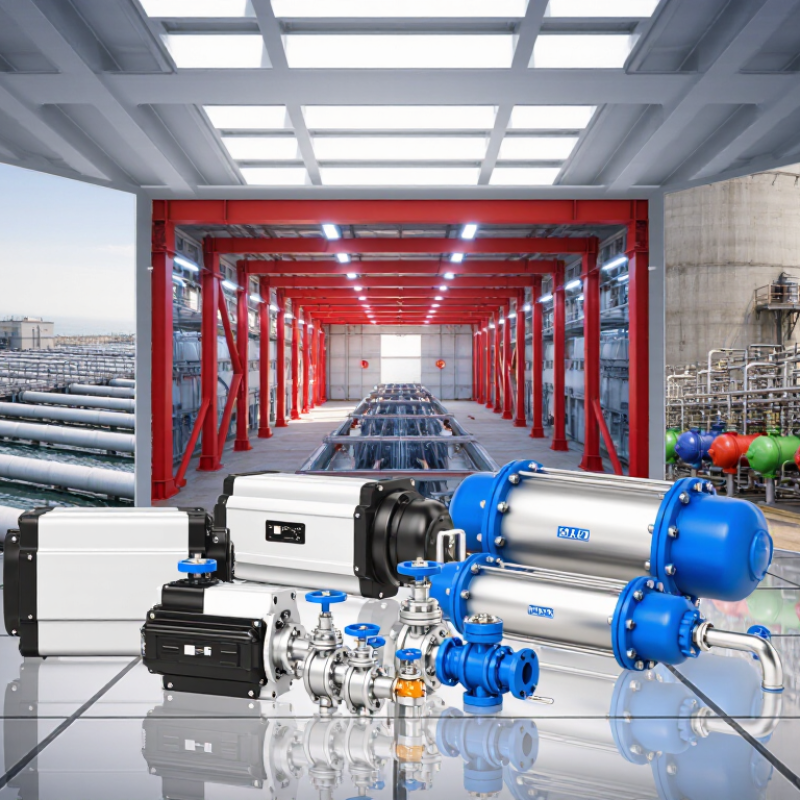
Top 10 Valve Actuator Manufacturers Worldwide

Valve Actuator Fundamentals and Their Role in Industrial Systems

Valve actuators convert control signals into mechanical movement. They open, close, or position valves inside water plants, refineries, power stations, and process facilities. Their role seems simple, but reliable movement depends on several operating details.

Electric actuators suit accurate positioning and controlled environments. Pneumatic units respond quickly and perform well where compressed air is available. Hydraulic actuators deliver high force for large valves. Each type requires correct torque, stroke, speed, and duty-cycle calculations. A quarter-turn valve needs rotational torque, while a gate valve needs linear thrust. Incorrect sizing can cause slow travel, overheating, leakage, or premature failure. Feedback devices also report valve position to control systems, supporting safer and more stable operation. Still, specifications alone do not tell the whole story. Pipe vibration, temperature changes, corrosion, and poor installation can undermine a technically sound selection.

Tips: Check the valve’s actual breakaway torque, not only its normal running torque. Confirm environmental protection, manual override access, and emergency positioning requirements. Inspect mounting alignment during commissioning. Small errors matter. Keep maintenance records detailed, including unusual noise, delayed movement, and repeated limit-switch trips. These observations often reveal developing faults before production is affected. No actuator is perfect. Periodic testing remains essential, especially after process changes or long shutdowns.

Top 10 Valve Actuator Manufacturers Worldwide - Valve Actuator Fundamentals and Their Role in Industrial Systems

This technology-based comparison summarizes the main actuator categories used across industrial systems. Manufacturer and brand names are intentionally excluded.

No. Actuator Category Output Motion Primary Power Source Typical Output Range Control Capability Typical Fail-Safe Action Common Valve Applications Industrial Role Relevant Standards or Practices
1 Electric Quarter-Turn Rotary, typically 90° Electric motor Approximately 10–10,000 N·m On/off, modulating, position feedback Optional spring-return or battery-backed positioning Ball, butterfly and plug valves Automated flow isolation and throttling where plant electricity is available IEC 60534 practices; enclosure ratings such as IP65–IP68 may apply
2 Pneumatic Quarter-Turn Rotary, typically 90° Compressed air or gas Approximately 5–100,000 N·m On/off; modulating with positioner Spring-to-close or spring-to-open Ball, butterfly and plug valves Fast and reliable emergency isolation in process plants ISO 5211 mounting; IEC 61508 may apply to safety-related systems
3 Pneumatic Linear Linear stroke Compressed air or gas Approximately 0.5–100 kN thrust Modulating with pneumatic positioner Spring-to-close or spring-to-open Globe, diaphragm and pinch valves Precise regulation of pressure, temperature and flow IEC 60534-6 mounting and control-valve practices
4 Hydraulic Quarter-Turn Rotary, typically 90° Pressurized hydraulic fluid Approximately 1,000–1,000,000 N·m On/off and modulating control Accumulator-based fail position Large ball, butterfly and trunnion-mounted valves High-torque operation in pipelines and heavy-duty energy facilities ISO 5211 interfaces; hazardous-area requirements depend on installation
5 Hydraulic Linear Linear stroke Pressurized hydraulic fluid Approximately 10–2,000 kN thrust Position or force control Accumulator, spring or hydraulic lock Large globe, gate and control valves Generates high thrust for large-pressure and high-temperature services API 6D and pipeline actuator practices may apply
6 Electric Linear Linear stroke Electric motor and screw mechanism Approximately 0.5–300 kN thrust On/off, proportional and digital positioning Optional spring-return or electronic fail position Globe, gate and diaphragm valves Clean, accurate automation where compressed air is unavailable IEC 60534 practices; electrical safety and enclosure standards apply
7 Electro-Hydraulic Rotary or linear Electric motor with hydraulic power unit Approximately 1,000–1,000,000 N·m or equivalent thrust Remote, modulating and programmable control Stored-energy fail-safe positioning Pipeline, offshore and critical isolation valves Combines electric supervision with hydraulic high-force performance IEC 61508 considerations for safety functions; ISO 5211 for rotary mounting
8 Solenoid-Operated Usually direct or pilot-controlled linear motion Electrical coil with process pressure or air Generally small to medium valve sizes Fast on/off switching Normally open or normally closed Process, utility, gas and instrument valves Rapid sequencing, interlocking and fluid routing IEC 60534-related control practices; coil certification depends on hazardous-area classification
9 Motorized Multi-Turn Multiple rotary turns Electric motor and gearbox Approximately 10–50,000 N·m On/off, torque-limited and modulating Configurable fail position; often requires external backup power Gate, globe and rising-stem valves Automates valves requiring travel beyond a quarter turn IEC 60034 motor practices and applicable valve-actuator interface standards
10 Manual Override Actuator Rotary or linear with handwheel or lever Human force; optional powered primary actuator Application-dependent; sized to valve breakaway load Local operation and emergency override Manual positioning during loss of power or control signal Gate, globe, ball and butterfly valves Maintains operability during commissioning, maintenance and emergency conditions ISO 5211 or valve-specific interfaces; guarding and lockout practices may apply
Selection factors: valve torque or thrust, travel time, operating frequency, available power, required fail position, environmental conditions, hazardous-area classification, control-signal compatibility, maintenance access and applicable safety requirements.

Key Criteria for Evaluating Global Valve Actuator Manufacturers

Top 10 Valve Actuator Manufacturers Worldwide

Key Criteria for Evaluating Global Valve Actuator Manufacturers

Choosing among global valve actuator manufacturers requires more than comparing price and product catalogs. Start with torque accuracy, operating speed, duty cycle, and valve compatibility. A suitable actuator should match the valve’s real breakaway torque, not only its normal running torque. In field inspections, poor sizing often appears as overheating, delayed movement, or repeated control alarms. Request load calculations, endurance results, and clear test records.

Reliability also depends on protection and support. Check enclosure ratings, corrosion resistance, emergency operation, and performance across local temperature ranges. Review wiring diagrams, calibration procedures, spare-part availability, and technical training. Manufacturers with traceable quality systems and documented factory testing usually offer stronger confidence. However, published data may not reflect difficult site conditions. Ask for references from comparable industries and operating environments. A perfect scorecard is unrealistic; one overlooked maintenance issue can still affect the entire valve system.

Tips: Compare total lifecycle cost, not purchase price alone. Inspect sample documentation before approval. Confirm warranty limits and response times. Test communication protocols with your control system. If possible, witness a factory acceptance test. Keep a written evaluation matrix, but leave room for engineering judgment. Human review still matters.

Top 10 Valve Actuator Manufacturers Worldwide

Top 10 Valve Actuator Manufacturers Worldwide

The worldwide top ten valve actuator manufacturers compete through dependable design, precise control, and consistent production quality. Their products serve water treatment, power generation, chemical processing, and oil and gas facilities. A reliable actuator must deliver accurate torque without excessive heat, vibration, or energy use. Small errors can stop a production line.

A practical comparison should examine electric, pneumatic, and hydraulic actuator ranges. Engineers usually check torque output, operating speed, enclosure protection, and manual override options. IP-rated housings help protect equipment from dust and moisture. Fail-safe functions also matter when valves control pressure, steam, or hazardous process fluids. Strong manufacturers document testing, traceability, and service procedures clearly. That builds confidence beyond attractive specifications.

Field experience often reveals more than a catalogue. A quiet actuator may still perform poorly under repeated cycling. A powerful unit may waste energy when control accuracy is weak. Diagnostic feedback, corrosion resistance, and spare-part availability deserve equal attention. International certifications can support credibility, but certification alone does not guarantee good installation results. No ranking is perfect. Weighting reliability over price may overlook smaller manufacturers with clever engineering. Therefore, buyers should compare ten leading manufacturers against actual site conditions, maintenance skills, valve torque requirements, and expected duty cycles. During commissioning, technicians should record cycle time, current draw, air consumption, and emergency response. These details expose weaknesses early. Some evaluation methods remain too dependent on laboratory tests. Real plants are harsher.

Top 10 Valve Actuator Manufacturers Worldwide

Common valve actuator technologies by typical industrial application share

Electric actuators are widely used for precise modulation and automated process control, while pneumatic actuators remain common in fast-response applications. Hydraulic, electro-hydraulic, and manual units are typically selected for high-force, remote, or emergency-duty requirements. The percentages represent an industry-oriented comparative distribution of common application usage rather than individual company market share.

Product Technologies and Industries Served by Leading Manufacturers

Top 10 Valve Actuator Manufacturers Worldwide

Leading valve actuator manufacturers now combine mechanical strength with digital control. Their product ranges usually include electric, pneumatic, and hydraulic actuators for quarter-turn and linear valves. Electric models support precise positioning, remote operation, and lower on-site emissions. Pneumatic units deliver fast movement in hazardous or high-cycle environments. Hydraulic designs provide high torque for large valves and demanding pressure systems.

Smart positioners add feedback, calibration, and condition monitoring. Many advanced units connect with plant control networks through industrial communication protocols. Built-in diagnostics can identify excessive friction, stalled travel, or unusual cycle times. These details help maintenance teams act before a valve stops production. Still, sensor data is not always perfect. Poor calibration, moisture, and incorrect installation can create misleading alarms.

The leading manufacturers serve oil and gas, water treatment, power generation, chemical processing, mining, food production, pharmaceuticals, and building services. Corrosion-resistant housings suit coastal water plants, while hygienic designs support clean processing lines. Explosion-protected configurations are selected for regulated hazardous areas. High-temperature power facilities need durable seals and carefully tested insulation. A compact actuator may fit a crowded skid, but limited access can complicate repairs. Selection should consider torque margins, duty cycles, ambient temperature, valve type, control signals, and local maintenance skills. Field experience often proves more valuable than a polished specification sheet.

How to Select the Right Valve Actuator Manufacturer for Your Needs

Selecting among the world’s leading valve actuator manufacturers requires more than comparing catalog prices. Start with the valve’s torque, stroke, operating frequency, fluid temperature, and available power. A quarter-turn valve may need different control behavior from a linear globe valve. Ask for sizing calculations, not optimistic labels. Check whether the actuator maintains required torque at low voltage and end-of-cycle conditions. Small details matter.

An experienced manufacturer should explain its test method, duty-cycle rating, enclosure protection, and fail-position performance. Request traceable test records and clear installation drawings. Verify compatibility with your control system, feedback signals, network protocols, and hazardous-area requirements where applicable. Review service coverage before ordering. Spare gears, seals, local technicians, and realistic lead times can prevent a short shutdown from becoming an expensive delay. Talk with users operating similar valves, not only reference sites selected by sales teams.

I would also compare lifecycle evidence. How often do failures occur after commissioning? Can the supplier diagnose a fault remotely? Does it document corrective actions? These questions expose practical reliability better than polished brochures. A manufacturer may offer excellent torque figures yet lack disciplined after-sales support. That is a warning. During evaluation, score technical fit, documentation, testing, support, and total ownership cost separately. Do not let a low purchase price decide the project. I have seen specifications change late because original assumptions were never checked against actual pipe conditions. Revisit those assumptions before signing, and record every unresolved point.