Top Energy Storage Battery Suppliers for Global Buyers
Choosing the right Energy Storage Battery supplier is no longer a simple price comparison. Global buyers must examine chemistry, safety, cycle life, warranty terms, and after-sales support. A battery may look competitive on a spreadsheet, yet perform poorly in a hot warehouse or under irregular charging conditions.
Dr. Imre Gyuk, a recognized energy storage expert, has stated, “Energy storage is the key to a clean energy future.” His observation reflects today’s market reality. Solar and wind projects need dependable storage to manage changing generation and demanding load profiles. However, reliability depends on more than cell capacity. It also involves battery management systems, thermal controls, factory testing, and documented quality procedures.
This guide reviews leading Energy Storage Battery suppliers serving international buyers. It considers manufacturing experience, product consistency, certifications, delivery capability, and technical communication. Suppliers with strong records usually provide clearer test data and more practical warranty conditions. Still, no company is ideal for every application.
That matters.
Some published figures require closer review. Capacity ratings may differ between laboratory tests and field conditions. Shipping distance, local service, and replacement planning can also change the real project cost. Buyers should request independent test reports, installation references, and detailed degradation assumptions before signing contracts. A careful comparison may take longer, but it can prevent expensive surprises later. The market is developing quickly, and even experienced buyers must keep questioning familiar claims.
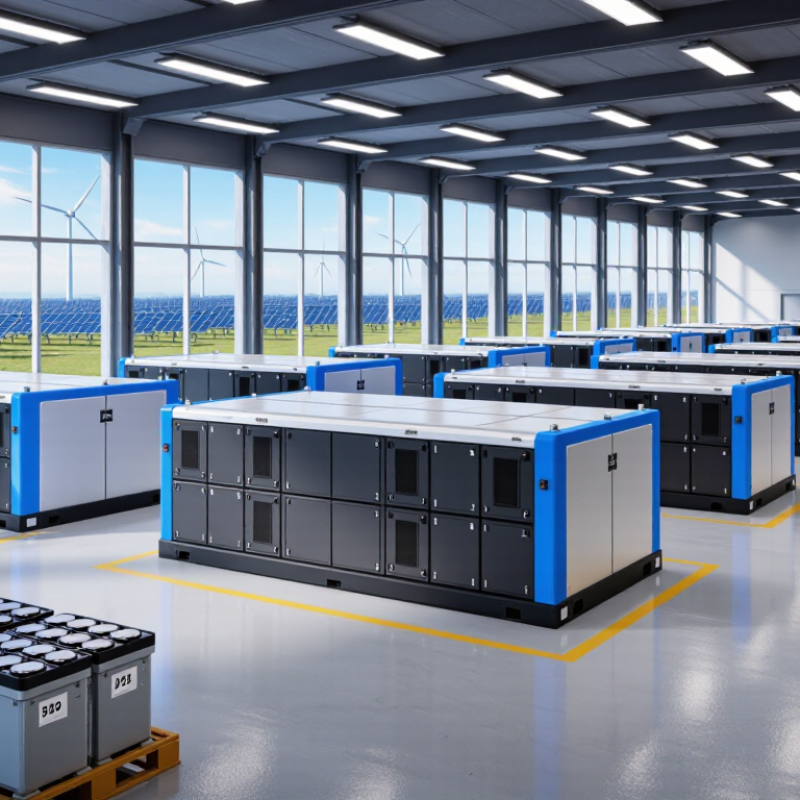
Define the Market: 42 GW of Battery Storage Added Globally in 2023 (IEA)
The global battery storage market changed sharply in 2023. According to the International Energy Agency, around 42 GW of battery storage capacity was added worldwide. This figure shows that storage is moving beyond pilot projects. It is becoming essential infrastructure for power systems.
For global buyers, the number also changes supplier selection. A reliable supplier should provide tested cells, traceable materials, and clear performance data. Buyers need to examine usable capacity, cycle life, thermal management, and warranty conditions. A system rated at 10 MWh may deliver less energy after conversion losses and operating limits. That detail matters during project financing.
Site conditions matter too. A desert installation may face dust, heat, and limited water access. A coastal project may require stronger corrosion protection. Suppliers should explain how their systems perform at different temperatures and loading patterns. They should also offer documented safety testing and responsive technical support.
The 42 GW figure is impressive, but it needs careful interpretation. Market data can use different definitions for capacity, duration, and commissioning dates. Some projects may be counted before full commercial operation. Buyers should question the assumptions behind every statistic. Storage demand is growing, yet procurement mistakes remain expensive. A low purchase price cannot repair weak monitoring, unclear warranties, or delayed spare parts. Not every supplier deserves equal trust.
Map Leading Suppliers: CATL, BYD, EVE, Tesla, and LG Energy Solution
Global buyers evaluating leading energy storage suppliers should look beyond cell capacity and headline pricing. The market includes major Chinese manufacturers, a US-based energy technology company, and a Korean battery producer. Each serves different project sizes and integration needs. Utility systems may require containerized lithium iron phosphate batteries, while commercial sites often need compact cabinets. Ask for verified cycle-life data, usable capacity, degradation curves, and warranty terms tied to real operating conditions.
Experience at the project site matters. A battery rated for 25°C may perform differently in a hot desert or a cold warehouse. Review thermal management, fire protection, inverter compatibility, and remote monitoring before signing a supply agreement. Independent certifications, factory audits, and documented recall procedures can reveal more than a polished product brochure. Delivery history also deserves attention, especially when ports, transformers, or installation crews create delays.
Price comparisons remain imperfect. A cheaper pack may require stronger cooling, faster replacement, or more frequent service visits. I would also question unusually optimistic efficiency claims. They may exclude standby losses and auxiliary equipment. Buyers should request references from installations with similar temperatures, grid rules, and dispatch patterns. A technically strong supplier can still disappoint if communication is slow or spare parts are unavailable. That risk is easy to underestimate.
Compare LFP and NMC Systems by Safety, Cost, and Cycle-Life Metrics
Top Energy Storage Battery Suppliers for Global Buyers
LFP and NMC systems serve different storage priorities. LFP chemistry offers stronger thermal stability and lower fire risk under normal operating conditions. It commonly reaches 3,000–7,000 cycles, depending on depth of discharge, temperature, and charging speed. NMC usually provides higher energy density, often around 150–250 Wh/kg at cell level. That saves space in compact installations. However, its typical cycle life may fall near 1,000–3,000 cycles without careful thermal management. These figures vary by cell design and operating profile.
Cost comparisons need more than the purchase invoice. LFP often delivers a lower lifetime cost because it uses fewer expensive materials and lasts longer. NMC can reduce container size, cooling needs, and installation space. In some projects, that advantage offsets its higher cell price. Safety depends on the complete system, not chemistry alone. Battery management software, ventilation, certified enclosures, and trained maintenance teams remain essential. We should be honest: published cycle claims may look impressive, but field results can be less consistent.
Tips: Match the chemistry to the load profile. Choose LFP for frequent daily cycling and space availability. Consider NMC where weight and footprint are critical. Ask suppliers for test conditions, warranty limits, thermal-runaway data, and degradation curves. Request independent test reports when possible. Small details matter. A cold warehouse, poor balancing, or repeated full discharge can shorten either system’s life.
Select Regional Partners as China Produced 80% of Global Battery Cells in 2023 (IEA)
China produced about 80% of global battery cells in 2023, according to the International Energy Agency’s Global Critical Minerals Outlook 2024. This concentration gives Chinese manufacturers strong scale, mature supply chains, and competitive pricing. It also creates exposure to shipping delays, policy changes, and regional trade restrictions.
Global buyers should select regional partners alongside cell suppliers. Local partners can manage certification, installation practices, grid rules, and after-sales service. The IEA reported that battery storage additions reached about 42 GW in 2023, nearly doubling from the previous year. Demand is expanding quickly, but supplier capability varies widely.
A practical evaluation should check cycle-life test reports, thermal management, warranty limits, and replacement procedures. Ask for project references in climates similar to the installation site. Regional warehouses matter when a cooling fan fails during a hot afternoon. Small details become expensive problems.
The International Renewable Energy Agency expects battery storage needs to grow substantially as renewable power expands. However, forecasts are not guarantees. Some buyers still compare prices before checking usable capacity, degradation, or service response times. That is a costly habit. Regional partners should provide transparent documentation, independent testing, and clear responsibility between cell producers and local service teams.
