Top 5 Tips for Choosing a Forklift Collision Detection System?
In today’s industrial landscape, safety is paramount. Forklift accidents remain a significant concern, accounting for over 20,000 injuries annually in the U.S. alone, according to the National Institute for Occupational Safety and Health (NIOSH). A reliable Forklift Collision Detection System can play a crucial role in enhancing workplace safety. These systems alert operators to potential collisions, helping to prevent injuries and property damage.
Investing in a quality detection system is essential. Despite advancements, many facilities still rely on outdated methods, increasing risk. Statistically, facilities with a collision detection system report a 30% decrease in accident rates. However, not every system meets the unique needs of a warehouse. Companies must evaluate options carefully, considering factors like environment and usage patterns.
Choosing the right Forklift Collision Detection System is more than just a safety measure; it’s a strategic decision. In an era where automation and safety technology intersect, the human element cannot be ignored. As we analyze various systems, it’s vital to reflect on the data and ensure the selected solution aligns with operational challenges. Balancing safety with efficiency is key in today's fast-paced environments.
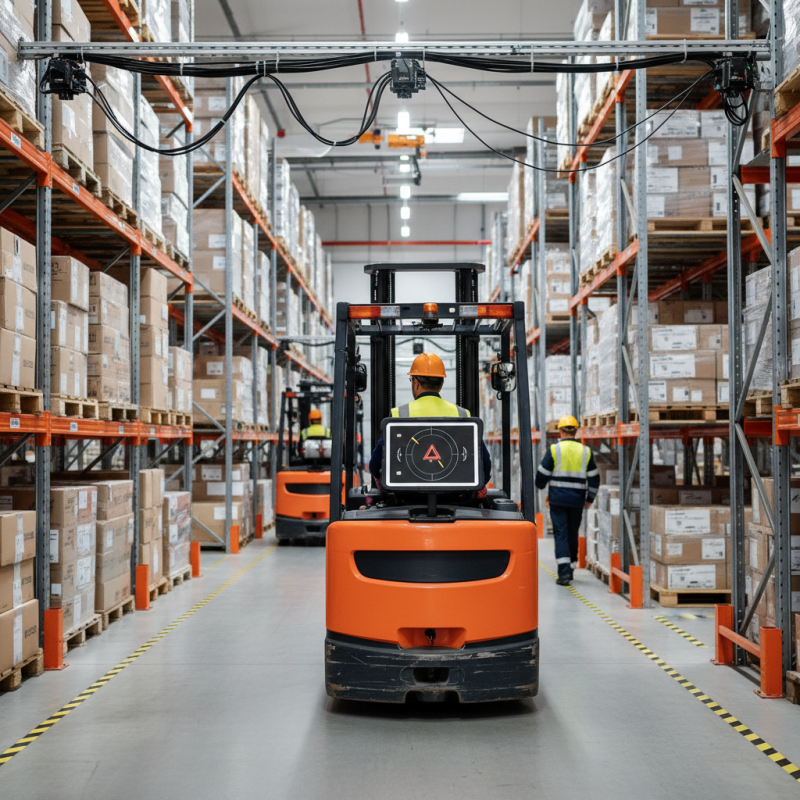
Key Features to Look for in Forklift Collision Detection Systems
In the fast-paced world of warehousing and logistics, a reliable forklift collision detection system is essential. Key features in these systems can significantly enhance safety. Look for advanced sensors that detect obstacles. These sensors often use LIDAR or ultrasonic technology, which should create a 360-degree view around the forklift.
One important tip is to prioritize real-time alerts. A system that provides immediate feedback can prevent accidents before they happen. According to a recent industry report, companies that implement collision detection systems see a 30% reduction in accidents. This data underlines the importance of timely notifications.
Another vital feature is integration capabilities. The collision system should work seamlessly with other safety technologies. Compatibility adds depth to your safety measures. Many systems now offer mobile app interfaces as well. Having remote access gives managers the ability to monitor safety in real time. Yet, some users still report challenges with system installation. Training staff properly is crucial for effectiveness. Often, inadequate training can hinder the full potential of these systems.
Types of Technologies Used in Collision Detection Solutions
When selecting a forklift collision detection system, understanding the technologies available is vital. Several types of technologies are used in collision detection solutions. Proximity sensors, for instance, utilize radar or ultrasonic waves to identify nearby objects. These sensors alert operators to potential hazards in real-time. According to a market report, systems using proximity sensors can reduce warehouse accidents by up to 40%.
Another popular technology is computer vision. This system uses cameras combined with AI algorithms to detect obstacles and monitor safe distances. Reports indicate that integrating computer vision can enhance situational awareness for operators significantly. It acts as a second pair of eyes, improving safety.
When choosing a system, consider the environment. Indoor vs. outdoor applications may dictate different technology needs. Assess the level of integration required with existing systems. Tip: Test the effectiveness of the chosen technology in your operational context. Ensure it functions well in real-world conditions.
Feedback from operators is essential, too. Are they comfortable with the system? Does it help reduce near misses? These insights can highlight areas needing improvement. A comprehensive understanding leads to better choices in collision detection systems. Choose wisely to enhance safety and efficiency in your operations.
Assessing the Compatibility of Systems with Existing Equipment
When selecting a forklift collision detection system, compatibility with existing equipment is crucial. Many companies overlook this aspect. An incompatible system can lead to inefficiencies and wasted resources. A report by the Material Handling Industry states that up to 30% of accidents in warehouses occur due to improper equipment integration. This statistic highlights the importance of a well-integrated detection system.
To ensure compatibility, consider the type of forklifts in use. Assess their electrical systems and communication protocols. Some systems rely heavily on Wi-Fi or Bluetooth. If your forklifts don’t support these technologies, performance may suffer. According to industry experts, nearly 40% of companies faced integration issues because they rushed this assessment. Take the time to evaluate the existing infrastructure.
Training staff on the new system is also vital. A seamless integration requires understanding how to use both the forklift and the detection system effectively. Nearly 25% of incidents are linked to poor user training, as reported by the National Safety Council. Continuous training and adaptation are necessary. Without this focus, even the best detection systems may fail to provide the intended safety benefits.
Evaluating the Cost vs. Benefits of Collision Detection Systems
When evaluating the cost versus benefits of forklift collision detection systems, it's crucial to consider safety metrics. In a recent industry report, companies experiencing forklift accidents faced an average cost of $42,000 per incident. These incidents result in not only direct costs but also indirect costs like lost productivity and worker compensation.
Investing in collision detection systems often brings substantial returns. Reports suggest that organizations implementing these systems typically see a reduction in accidents by up to 30%. This improvement can lead to significant savings, potentially recovering the initial investment within 12 to 18 months. However, some firms hesitate, fearing high upfront costs.
Yet, overlooking safety can be more expensive in the long run. A single accident can disrupt operations for days. Employees return to work feeling anxious. This impacts team morale and productivity. A well-thought-out collision detection system can enhance safety and ensure smoother operations. It's about striking a balance between initial costs and long-term benefits.
Understanding Regulatory Compliance for Forklift Safety Systems
When selecting a forklift collision detection system, understanding regulatory compliance is vital. Safety regulations exist to protect employees and minimize accidents. These guidelines vary by region, but often include specific requirements for functionality and testing. Employers should assess their operations and determine which standards apply.
Many facilities neglect to fully analyze compliance needs. It’s not just about purchasing a system; it’s about ensuring it meets the legal requirements. Missing compliance can lead to severe consequences. Regular audits can identify gaps and help avoid potential legal issues. Remember, a system that isn’t compliant is an expensive liability.
Incorporate safety features that align with regulations. This includes proper sensor calibration and regular maintenance checks. Signage and training should also reflect compliance needs. A well-informed workforce plays a crucial role. Additionally, consulting with safety experts can guide proper system selection. Be proactive in creating a safe working environment. Small steps can lead to significant improvements in safety culture.
