What Are the Top Types of Solar Home Systems?
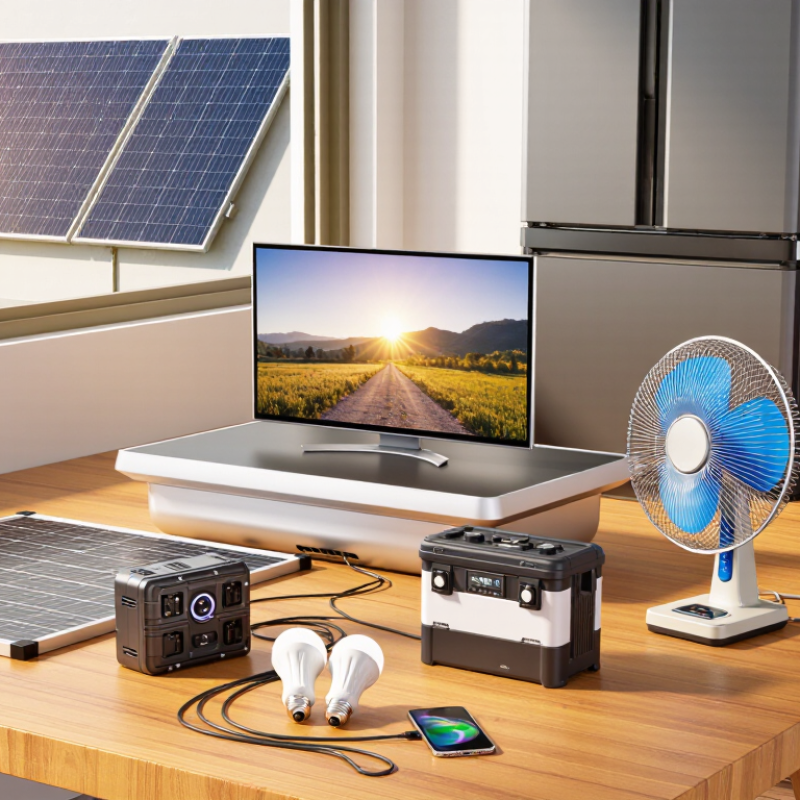
Choosing among the top types of Solar Home Systems starts with a practical question: what must the system power each day? A small kit may run two LED lights and charge a phone. A larger setup can support a television, fan, or refrigerator, but needs more panels, battery capacity, and upfront investment. The differences are tangible.
The need remains substantial. Tracking SDG7: The Energy Progress Report 2024 estimates that 685 million people lacked access to electricity in 2022. World Bank and ESMAP research on off-grid solar markets helps explain why system size, service quality, and affordability matter. Common options range from portable solar lanterns and plug-and-play kits to multi-light home systems and larger expandable packages. Their labels can be confusing. A “complete” kit may still be too small for a household’s evening routine.
As energy-access leader Kandeh Yumkella has said, “Energy is the golden thread that connects economic growth, social equity, and environmental sustainability.” That broader principle is useful here: the best system is not automatically the largest or cheapest. It should match daily loads, local sunlight, battery replacement options, and after-sales support. A bright bulb is easy to notice; battery life is less visible, yet crucial. This guide compares the leading system types, their strengths, and their limits. Some comparisons are imperfect, because product specifications and real-world performance vary. Check the details before choosing.
Grid-Tied Solar Home Systems
Grid-Tied Solar Home Systems
A grid-tied system connects rooftop panels to the household wiring and the local electricity network. An inverter converts the panels’ direct current into electricity that household appliances can use. On a clear afternoon, surplus power may flow back to the grid, depending on local utility rules and the home’s export agreement.
No battery is required. But standard grid-tied systems usually shut down during a power outage. This safety feature helps prevent electricity from flowing into lines that utility crews may be repairing. A home that needs backup power requires compatible equipment, often including battery storage and additional controls.
The market is substantial. SEIA and Wood Mackenzie’s U.S. Solar Market Insight report recorded about 6.8 gigawatts of residential solar installations in the United States in 2023. That figure covers residential solar, not grid-tied systems alone, but it shows the scale of household adoption. Before choosing a system, compare expected daytime use, roof shade, utility export credits, and connection fees. The bill savings can be less predictable than the panel output. A careful estimate should show both assumptions and costs.
Off-Grid Solar Home Systems
Off-grid solar home systems operate independently of the electricity grid. A rooftop panel charges a battery through a controller, then supplies power to lights, phones, and selected appliances. The setup suits remote homes where extending power lines is costly or slow. It is not a small version of unlimited grid power.
The need remains substantial. Tracking SDG 7: The Energy Progress Report 2024 estimates that 685 million people lacked electricity in 2022. For a household, that gap can mean choosing between evening lighting and running a refrigerator. A modest system might power several LED bulbs, phone charging, and a small fan; larger loads require more panel and battery capacity. Check wattage and daily use before buying. A cloudy week changes the calculation.
Battery planning is easy to underestimate. A system that works on a sunny afternoon may fail after two rainy days, especially if the battery is undersized or worn. Keep panels clear of dust and shade, and place batteries somewhere dry and ventilated. The details matter. Costs, battery life, and available repair support vary by location, so published system ratings alone cannot predict dependable household service.
Hybrid Solar Home Systems
A hybrid solar home system combines rooftop panels, a battery, and a connection to the utility grid. During sunny hours, panels supply household loads; extra electricity can charge the battery or flow to the grid, depending on system settings. After sunset, stored energy can run selected circuits. That matters. Unlike a basic grid-tied setup, a properly designed hybrid system may keep essential loads operating during an outage. Backup is not automatic, though: inverter capability and wiring determine what stays on.
A household might reserve battery power for a refrigerator, lights, a router, and selected essential devices, while leaving an electric oven off the backup panel. The battery’s usable capacity, measured in kilowatt-hours, should match real evening use, not an optimistic estimate. A cold, cloudy week can reduce solar charging. Not always. Grid availability can fill gaps, but electricity rates and export arrangements vary by location.
Before choosing equipment, review a year of electricity bills and note when heavy loads run. Ask a qualified installer to estimate backup duration at a stated load and explain how the system behaves when the grid fails. Battery aging, replacement costs, ventilation, and placement deserve attention too. People often focus on panel count; that can be misleading. A hybrid system offers flexibility, but it adds controls and cost, and no battery can power every appliance indefinitely.
What Are the Top Types of Solar Home Systems? — Hybrid Solar Home Systems
Typical power sources in common hybrid solar home system configurations
Bars show whether each power source is typically included (1) or not included (0) in the configuration. Grid-connected hybrid systems combine solar and batteries with the utility grid; off-grid systems may use a generator as backup or rely on solar and batteries alone. Actual system designs vary, and these configurations are not performance rankings.
Portable Solar Home Systems
Portable solar home systems offer a movable way to power essential devices without installing rooftop panels. A typical setup includes one or more solar panels, a battery, a charge controller, and sometimes an inverter. Panels can sit in a sunny yard during the day, then be moved or stored when weather changes. The system may run lights, a phone charger, a router, or a small fan. It usually cannot power every appliance in a home.
Check the battery’s usable capacity and the inverter’s continuous output before choosing a system. A refrigerator, for example, may need extra power when its compressor starts. Panel output also changes with clouds, season, and shade from a nearby tree. Small details matter. List the devices you expect to use, their wattage, and daily running hours; this gives a more realistic estimate than relying on a system’s peak rating. Portable setups are convenient, but carrying heavy batteries can become tiring. That part is easy to underestimate.
Tips: Set panels in direct sunlight and angle them toward the sun. Keep cables dry and connections secure. Check charge levels before evening use, and leave some battery capacity in reserve for cloudy days.
