International Fluid Power Inc.
International Fluid Power - Innovative Partners For Global Sourcing Of Fluid Power Products. Your Complete Hydraulic Source in SE Minnesota.

What Is Tissue Tape Used For?
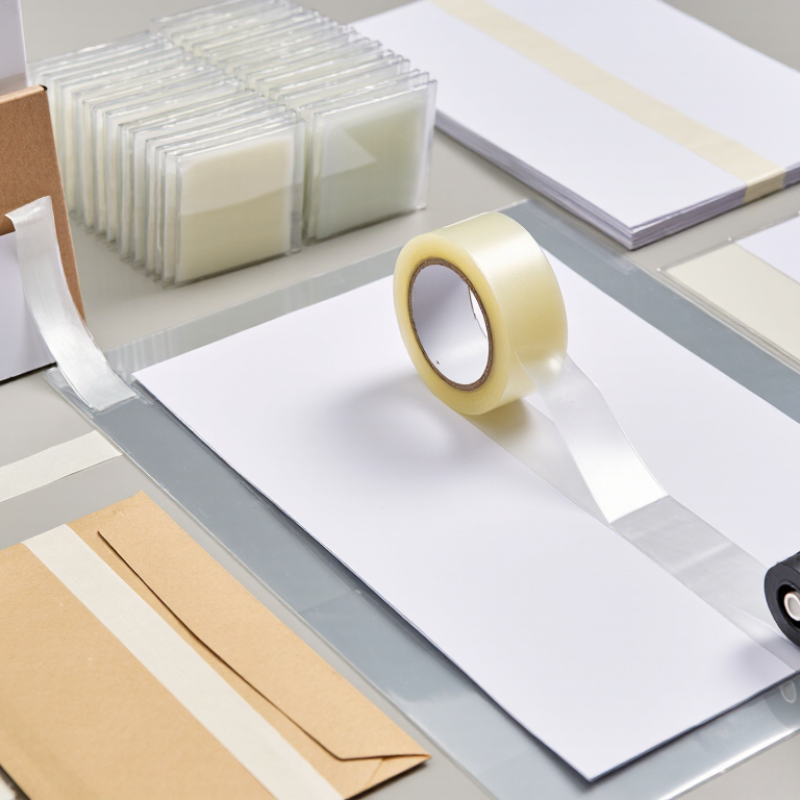
Tissue Tape is a thin, double-sided adhesive material with a nonwoven paper carrier. It is designed for clean, low-profile bonding. Unlike bulky foam tape, it can sit almost invisibly between two surfaces. That makes it useful for paper products, labels, envelopes, displays, lightweight packaging, and interior assembly.
Industry reports show why this product remains relevant. Grand View Research’s Adhesive Tapes Market Report identifies packaging, healthcare, automotive, and construction as major demand areas. Smithers’ market studies also highlight converting efficiency, reliable adhesion, and lightweight materials as continuing industry priorities. These trends explain the popularity of Tissue Tape in production lines. It can bond paper, films, fabrics, plastics, and selected coated materials. However, performance depends on surface energy, pressure, temperature, and storage conditions. A tape that works well on clean cardboard may fail on dusty plastic. Small details matter.
In practical use, operators often apply the tape with a hand roller or firm finger pressure. The bond may look complete, yet poor contact can create lifting edges later. Technical evaluation should include peel adhesion, shear strength, aging, and temperature resistance. ASTM D3330 is commonly referenced for peel adhesion testing, although the correct method depends on the application. Medical or skin-contact uses require separate biocompatibility and regulatory verification. Not every Tissue Tape is suitable for skin. That assumption can cause trouble.
This guide explains what Tissue Tape is used for, where it performs best, and where caution is necessary. It also considers the overlooked issues: liner removal, residue, humidity, and recycling compatibility. The “best” tape is rarely universal. It is the one matched carefully to the surface, process, and expected service life.
What Is Tissue Tape and How Does It Work?
What Is Tissue Tape Used For?
Tissue tape is a thin, double-sided adhesive tape with a paper-like tissue carrier. The adhesive coats both sides of this carrier. A release liner protects the sticky surfaces before use. Unlike thick foam tape, tissue tape adds little bulk and leaves a neater finish.
How does it work? Pressing the tape activates its pressure-sensitive adhesive. The adhesive flows into tiny surface irregularities, creating contact across the bonded area. Clean, dry, smooth surfaces usually provide the most dependable results. In practical use, tissue tape helps mount paper, photographs, labels, lightweight decorations, and small signs. It is also useful for craft assembly, packaging details, and temporarily positioning parts before permanent fixing.
Pressure matters. Firm rubbing improves contact, especially along edges and corners. However, tissue tape is not automatically suitable for heavy objects, rough walls, dusty materials, or damp areas. I have found that a bond can feel secure at first, then weaken after temperature changes or repeated pulling. That is an easy detail to overlook. Testing a small, hidden section is sensible before applying it to a visible surface. Remove the liner carefully, align the materials once, and press from the center outward to reduce wrinkles and trapped air. Some surfaces may still stain, tear, or lose paint during removal, so the tape’s holding strength should never be judged by touch alone.
What Is Tissue Tape Used For? - What Is Tissue Tape and How Does It Work?
| Dimension | Typical Information | Practical Significance |
|---|---|---|
| Definition | Tissue tape is a thin, flexible pressure-sensitive adhesive tape made with a lightweight nonwoven paper-like carrier coated with adhesive, often on one or both sides. | Its thin construction allows it to bond materials while adding little bulk or visible thickness. |
| How It Works | Pressure activates the adhesive, allowing it to wet out and make close contact with the surfaces. The bond generally increases after application as contact improves. | A clean, dry, smooth surface and firm application pressure usually improve adhesion. |
| Common Uses | Mounting lightweight signs, attaching labels, securing foam or fabric, joining paper products, and assembling small components. | It is useful where a neat, low-profile bond is preferred over mechanical fasteners. |
| Typical Adhesive Types | Acrylic and rubber-based pressure-sensitive adhesives are commonly used. Some formulations are designed for permanent bonding, while others support clean or removable applications. | The adhesive type affects initial tack, holding power, temperature resistance, aging performance, and removability. |
| Key Characteristics | Thin profile, flexible carrier, easy die-cutting, conformability, smooth appearance, and good handling for converting or assembly work. | These features make tissue tape suitable for curved, lightweight, or visually sensitive parts. |
| Suitable Materials | Depending on the adhesive formulation, tissue tape may bond paper, cardboard, plastics, textiles, foams, painted surfaces, and some metals. | Compatibility should be tested because surface energy, texture, coatings, and contamination influence the final bond. |
| Advantages | Low visual impact, clean appearance, flexible handling, fast application, and no curing equipment required for normal pressure-sensitive bonding. | It can simplify assembly and reduce the need for liquid adhesives, staples, screws, or clips. |
| Limitations | Performance can decrease on dusty, oily, wet, rough, low-energy, or highly flexible surfaces. Excessive heat, moisture, or load may also reduce holding power. | Choose the tape according to surface condition, load, temperature, humidity, exposure time, and whether removal is required. |
| Recommended Application | Clean and dry the surfaces, avoid touching the adhesive, apply the tape evenly, press firmly across the bonded area, and allow adequate contact time before loading. | Correct preparation and uniform pressure help reduce lifting, edge release, and uneven bonding. |
| Best Use Case | Lightweight-to-moderate indoor attachment, lamination, mounting, splicing, and component assembly where a thin and discreet adhesive layer is needed. | For structural, heavy-load, outdoor, or safety-critical applications, a product specifically rated for those conditions should be selected and tested. |
Note: Actual performance varies with adhesive formulation, tape thickness, surface type, application pressure, temperature, humidity, and load. Always verify suitability with a representative test.