Who Are the Top China Sheet Extruder Manufacturers?
China has become a major production base for plastic sheet extrusion equipment. Several manufacturers now serve packaging, construction, automotive, medical, and recycling applications. However, identifying the top China Sheet Extruder manufacturers requires more than comparing prices or website claims.
Companies such as JWELL, Gwell, Fangli, and Liansu are frequently considered by international buyers. Their equipment portfolios may include single-screw extruders, co-extrusion lines, multilayer systems, and recycled-material solutions. Performance still depends on the exact machine design. Die accuracy, melt-temperature control, roller stability, and automatic thickness adjustment deserve close attention.
Extrusion specialist Dr. Chris Rauwendaal describes extrusion as “a process in which a polymer melt is forced through a die.” This simple definition explains why process control matters. A polished frame cannot compensate for unstable melt pressure. A low quotation may also hide weaker components, limited testing, or expensive maintenance.
This guide examines leading Chinese suppliers through practical criteria. These include manufacturing experience, engineering capability, product consistency, export service, spare-parts support, and verified customer feedback. Factory audits and sample production trials can reveal details that brochures omit. For example, buyers should inspect sheet edges, surface gloss, thickness variation, and cooling performance during a live test.
No single manufacturer is ideal for every project. That is worth admitting. Some suppliers excel at high-output lines, while others provide better customization or responsive technical support. Company rankings can also change as technology, certifications, and service networks develop. Careful comparison remains essential before selecting a Sheet Extruder partner for long-term production.
What Is a Sheet Extruder and How Does It Work?
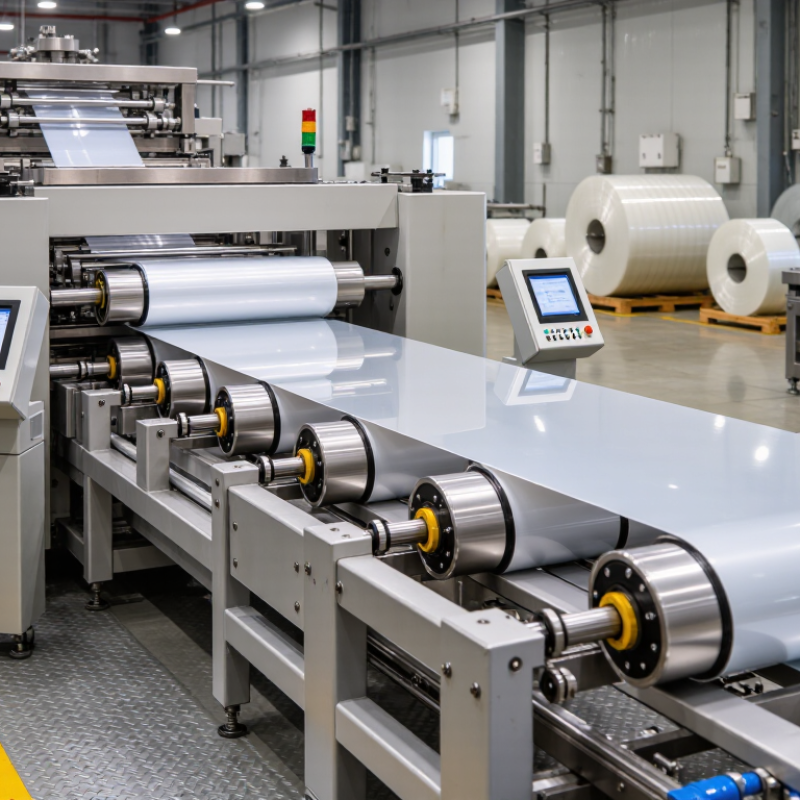
A sheet extruder converts plastic pellets into continuous, flat sheets with controlled thickness. The process begins in a heated barrel, where rotating screws carry and melt the material. Temperature zones gradually increase heat, rather than relying on one intense setting. That approach protects sensitive polymers from burning and uneven melting.
The molten plastic then passes through a screen changer and enters a flat die. The die spreads the melt across the sheet width. Small adjustments to die bolts can correct thickness differences. A polished three-roll calender cools, smooths, and sizes the sheet. Nip pressure, roll temperature, and line speed must remain balanced. Too much pressure may create marks. Too little cooling can cause warping.
When comparing China sheet extruder manufacturers, buyers should inspect more than catalog speed. Ask for thickness tolerance data, material compatibility, screw design, and documented factory testing. A trial using the intended resin is more convincing than a showroom demonstration. Check whether the control system records melt pressure and temperature continuously. These details reveal process stability. Not always.
A reliable supplier should also explain maintenance access, spare-part quality, operator training, and safety protections. In practical production, output can change with moisture, recycled content, or ambient temperature. That is where many specifications become less certain. A thoughtful evaluation leaves room for adjustment and verifies results under real operating conditions.
How to Evaluate China’s Sheet Extruder Manufacturers
Who Are the Top China Sheet Extruder Manufacturers?
Evaluating China’s sheet extruder manufacturers requires more than comparing online prices. Start with the machine’s usable output, sheet width, thickness range, screw design, and material compatibility. Ask for test data, not only catalog figures. A reliable manufacturer should explain how its extruder handles temperature-sensitive polymers, recycled content, and demanding surface finishes.
Request a factory video or arrange an on-site audit. Look for clean assembly areas, calibrated measuring tools, documented quality checks, and technicians who answer specific questions. Important details include melt-pressure control, T-die adjustment, roll temperature stability, and automatic thickness monitoring. Test a sample sheet under real production conditions. Check its thickness variation, flatness, transparency, and edge quality. Small defects often appear after several hours.
Review the manufacturer’s engineering records and service process. Can it provide electrical diagrams, spare-parts lists, operating instructions, and commissioning support? Ask for references from customers using similar materials and sheet sizes. Vague answers deserve caution. A low quotation may exclude cooling units, feeders, installation, or operator training. That mistake is expensive.
Do not rely on polished factory photos. They prove little. During evaluation, record each promise in writing and compare it with the final contract. Even experienced buyers can overlook cooling capacity or local voltage requirements. A practical supplier should discuss these weaknesses openly, instead of claiming that every project is effortless.
Who Are the Top China Sheet Extruder Manufacturers?
Who are the top China sheet extruder manufacturers? The strongest candidates are factories with proven experience in PET, PP, PVC, or ABS sheet production. They should offer stable output, precise thickness control, and practical technical support. Look for manufacturers that design complete lines, including dryers, feeders, T-dies, chill rolls, and trimming units. Their engineering team should explain melt temperature, screw configuration, and cooling performance in clear terms. A large factory is not automatically the best choice.
Production evidence matters. Request running videos, sample sheets, inspection records, and references from similar applications. Check whether the manufacturer tests thickness variation across the sheet width. Ask about energy consumption, spare parts, installation, and operator training. A polished brochure is not proof of reliable performance. Factory visits can reveal details, such as dusty control cabinets or poorly stored components. These small signs matter.
Tips: Compare at least three suppliers. Send identical material data and target output. Ask for a written acceptance standard. Confirm warranty coverage and response times. If possible, test your own raw material before signing. Many buyers focus on machine price and overlook long-term maintenance. That mistake can become expensive. I would also inspect the screw and die finishing personally, although remote checks are sometimes unavoidable. Even experienced purchasers can miss hidden costs when customization changes the original quotation.
China Sheet Extrusion Manufacturers: Common Material Processing Windows
Typical melt-temperature ranges commonly used for major sheet-extrusion materials. Actual settings vary by grade, additives, screw design, and sheet thickness.
This comparison highlights the thermal-processing requirements that sheet-extrusion manufacturers commonly support. Higher-temperature materials such as PET and polycarbonate generally require more advanced heating, drying, and temperature-control systems.
What Products and Industries Do They Serve?
China’s sheet extruder manufacturers serve diverse material and processing needs. Their equipment commonly produces PET, PP, PE, ABS, PC, PMMA, and multilayer sheets. Some lines also handle recycled flakes, though material consistency remains a practical challenge.
Packaging plants use these machines for food trays, clamshells, protective layers, and display packaging. Construction companies need rigid sheets for wall protection, insulation facings, and waterproofing components. Automotive suppliers often process lightweight interior panels, luggage-compartment boards, and decorative surfaces. Appliance manufacturers use sheets for refrigerator liners, washing-machine parts, and formed housings. Other customers include electronics, agriculture, furniture, and visual-display producers.
Product details matter more than impressive output figures. A serious manufacturer should discuss sheet width, thickness tolerance, roller temperature control, cooling capacity, and automatic gauge measurement. For example, a line producing a 2-millimeter PET sheet may require stable drying and careful melt filtration. A buyer should request resin trials, sample sheets, energy data, and maintenance records. Factory acceptance testing can reveal vibration, edge-trim waste, or uneven cooling before shipment. This step is often underestimated.
No extrusion line suits every factory. A system designed for clean virgin resin may struggle with mixed recycled feedstock. Operators also need training, spare parts, and process documentation. These details affect production reliability long after installation. Experienced buyers should compare verified trial results rather than trusting catalog claims alone.
How to Choose the Right Chinese Sheet Extruder Supplier
Who Are the Top China Sheet Extruder Manufacturers?
Choosing a Chinese sheet extruder supplier requires more than comparing prices. PlasticsEurope reported 413.8 million tonnes of global plastics production in 2023. This scale increases demand for stable, energy-conscious processing equipment. Ask suppliers for documented output, thickness tolerance, melt-pressure stability, and cooling-roll performance. Vague claims are warning signs.
Request a trial using your actual resin, additives, and target sheet thickness. Measure width, flatness, surface finish, and start-up waste. A reliable supplier should provide recorded test results, not only edited videos. Check whether the extruder includes automatic thickness control, accessible filtration, and safe temperature monitoring. Also inspect the factory’s machining area and electrical testing process.
Service matters after installation. Confirm response times, spare-part availability, remote diagnostics, and technician training. ISO 9001 certification can support process consistency, but it does not prove machine quality by itself. Ask for references from similar production lines and review their running history. One supplier may offer a lower quotation, yet weak commissioning can erase the saving quickly. I have seen buyers focus too heavily on screw diameter and installed power. That approach misses material compatibility and operator skill. Recheck the assumptions. A careful audit, practical trial, and clearly written acceptance criteria usually reveal the stronger Chinese partner.
