INTERNATIONAL FLUID POWER, INC.

The Experts for Hydraulic Power Units, Components, and Custom Hydraulic Systems
Slider

Why Choose a Hydraulic Cylinder Jack for Heavy Lifting?

When a steel structure, machine frame, or bridge component must move safely, lifting equipment cannot rely on strength alone. Control matters just as much. A Hydraulic Cylinder Jack converts pressurized fluid into steady linear force, helping operators raise heavy loads with measured movement and less physical effort.

Andrew Parr, author of Hydraulics and Pneumatics, describes hydraulics as “a means of transmitting power from one location to another.” This principle explains the jack’s practical value. A compact pump sends oil into the cylinder. The piston then extends, lifting the load through a controlled stroke. On a workshop floor, this may mean raising a machine by several centimeters. In field maintenance, it can support alignment beneath a steel beam or industrial vehicle.

Small details matter.

A reliable jack needs the correct capacity, stroke length, saddle position, and operating pressure. It also needs a stable base. Even a powerful Hydraulic Cylinder Jack can become unsafe on uneven ground or under an incorrectly supported load. Never treat maximum capacity as a routine working target. Real conditions may include shifting weight, temperature changes, damaged hoses, or limited visibility.

The technology is impressive, but it is not magic. Selecting a jack only by tonnage can create expensive mistakes. Proper inspection, gradual lifting, and secondary support remain essential. This guide examines why hydraulic cylinder jacks suit demanding lifting tasks, while also questioning where their practical limits begin.
Why Choose a Hydraulic Cylinder Jack for Heavy Lifting?

What Is a Hydraulic Cylinder Jack?

Why Choose a Hydraulic Cylinder Jack for Heavy Lifting?

What Is a Hydraulic Cylinder Jack?

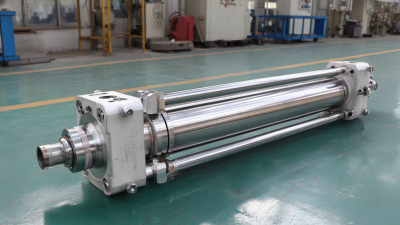
A hydraulic cylinder jack is a lifting tool that uses pressurized fluid to raise heavy loads. Its main parts include a pump, oil chamber, piston, and steel cylinder. When the pump handle moves, fluid enters the cylinder and pushes the piston upward. This simple action creates strong lifting force with limited manual effort.

Hydraulic cylinder jacks suit machinery, industrial frames, trailers, and other compact lifting points. Their narrow bodies can fit beneath loads where wider equipment cannot. A quality jack should lift smoothly, hold pressure steadily, and lower in a controlled way. In practical use, uneven floors and damaged seals can affect performance. I have found that small leaks deserve attention before they become serious failures. The rated capacity is not a target. It is a limit.

Tips: Check the load weight and lifting point before pumping. Use a firm, level surface. Inspect the cylinder, hose, release valve, and fluid condition. Keep hands away from pinch points. After lifting, support the load with properly rated stands. Never rely on hydraulic pressure alone. Lower the load slowly, and stop if the jack tilts, leaks, or makes unusual sounds. A second inspection may feel excessive, but it often catches problems that a quick glance misses.

How Does a Hydraulic Cylinder Jack Work?

A hydraulic cylinder jack lifts heavy loads by converting hand or motor input into controlled fluid pressure. Inside, a pump pushes oil from a reservoir into the cylinder. The oil presses against a piston, and the piston moves upward. Pascal’s law explains the advantage: pressure applied to a confined fluid spreads throughout the fluid. A small pump force can therefore create a much larger lifting force at the piston. The result feels steady, not sudden.

The jack’s check valves guide oil in one direction and hold the load between pump strokes. When the release valve remains closed, pressure stays beneath the piston. Opening it creates a return path, allowing oil to flow back into the reservoir. The piston then lowers under the load’s weight. Keep it controlled. A practical detail matters here: the jack must stand on firm, level ground, with its saddle centered beneath the lifting point. Misalignment can bend components or let the load shift.

Hydraulic cylinder jacks suit vehicles, machinery, and fabrication tasks because they deliver high force in a compact body. Their lifting action is precise enough for fitting supports or aligning parts. Still, they are not effortless tools. Worn seals, contaminated oil, or trapped air can cause slow movement and unexpected lowering. Stay alert. Inspect hoses, valves, and rated capacity before use, then support the load with approved stands. A jack lifts; it should not be treated as the only support.

What Makes It Suitable for Heavy Lifting?

Why Choose a Hydraulic Cylinder Jack for Heavy Lifting?

A hydraulic cylinder jack suits heavy lifting because it creates high force through fluid pressure. A small handle can raise several tonnes with controlled movement. This matters when lifting machinery, steel frames, or loaded trailers in confined work areas. The cylinder delivers a steady push, unlike basic mechanical jacks that may demand greater physical effort. Its compact body also fits beneath low-clearance equipment. In practical workshop use, a wide saddle and firm base help keep the load aligned. Even a powerful jack can become unstable if the ground is uneven.

Reliable lifting depends on more than rated capacity. Check the load weight, lifting point, stroke length, and maximum height before operating. Never treat the jack as a permanent support. Use correctly rated stands after lifting, and inspect hoses, seals, and fluid leaks regularly. A worn seal may lower pressure slowly. That small warning should not be ignored. The safest results come from slow pumping, clear visibility, and a level surface. Hydraulic systems are dependable, but they are not foolproof.

Tips:

Keep the jack centered under the approved lifting point. Pump smoothly, then pause and watch for shifting. Do not exceed the rated load. If the handle feels unusually soft, stop and investigate. I have found that hurried positioning causes more trouble than the lifting itself. Rechecking the setup takes seconds, although it may feel unnecessary during a busy repair.

Which Key Features Affect Performance and Safety?

Why Choose a Hydraulic Cylinder Jack for Heavy Lifting?

Which Key Features Affect Performance and Safety?

A hydraulic cylinder jack can lift heavy machinery with controlled force and compact equipment. Its performance depends on more than maximum lifting capacity. Cylinder bore size, operating pressure, and stroke length determine how smoothly the jack handles a load. A wide base also matters. It reduces rocking on a firm workshop floor.

Safety begins with a reliable relief valve and a clearly visible pressure gauge. The valve should prevent excessive pressure when the operator makes a mistake. High-quality seals help prevent oil leaks around the piston. A damaged seal can cause slow lowering or unexpected movement. That risk is easy to underestimate. I have seen small leaks become serious maintenance problems after repeated lifting cycles.

The load must stay centered over the saddle. Always check the rated capacity, hose condition, and connection points before lifting. Never depend on hydraulic pressure alone to support a raised load. Use properly rated mechanical supports during inspection or repair. Experienced technicians also examine the return spring, frame welds, and base plate for distortion. No checklist is perfect. A dirty gauge or rushed setup can still hide a dangerous fault. Choosing a jack with stable controls, durable components, and accessible inspection points improves both daily efficiency and operator confidence.

Why Choose a Hydraulic Cylinder Jack for Heavy Lifting?

Which Key Features Affect Performance and Safety?

The chart shows the theoretical lifting force produced by different piston diameters at a hydraulic pressure of 700 bar. The values are calculated using F = P × A, where pressure is multiplied by piston area. Larger pistons generate greater lifting force, while pressure ratings, overload protection, pressure-relief valves, stable bases, and controlled oil flow are essential for safe operation. Actual rated capacity may be lower because of friction, structural limits, and manufacturer safety margins.

How Should a Hydraulic Cylinder Jack Be Selected and Maintained?

Why Choose a Hydraulic Cylinder Jack for Heavy Lifting?

Selecting a hydraulic cylinder jack starts with the real load, not its advertised maximum. Choose a rated capacity at least 25% above the heaviest planned load. Confirm stroke length, retracted height, saddle shape, and available clearance. A short stroke can leave a machine dangerously unstable. Side loading is another common mistake. ASME B30.1 guidance emphasizes stable support and controlled lifting equipment use.

Maintenance deserves equal attention. The U.S. Bureau of Labor Statistics reported 1,069 fatal injuries in transportation and material-moving occupations during 2023. This figure does not prove jacks caused these incidents, but it shows why lifting discipline matters. Inspect hoses, seals, pins, and the release valve before every shift. Look for oil on a clean cardboard sheet. Replace damaged parts instead of tightening them repeatedly. Use clean hydraulic fluid, keep the ram retracted during storage, and never work beneath a raised load without rated stands. A jack lifts; it does not permanently support.

Tips: Test the jack without a load first. Then raise a small test load slowly. Stop if the ram creeps, the pump feels spongy, or the load tilts. Keep a maintenance log with dates, fluid changes, and inspection findings. In practice, operators often underestimate contamination. Even a small metal chip can damage a seal. Recheck the manufacturer’s service limits, because field conditions rarely match the brochure.