International Fluid Power Inc.
International Fluid Power - Innovative Partners For Global Sourcing Of Fluid Power Products. Your Complete Hydraulic Source in SE Minnesota.

Why Choose a Hydraulic Power Pack for Your Equipment?
Why Choose a Hydraulic Power Pack for Your Equipment?
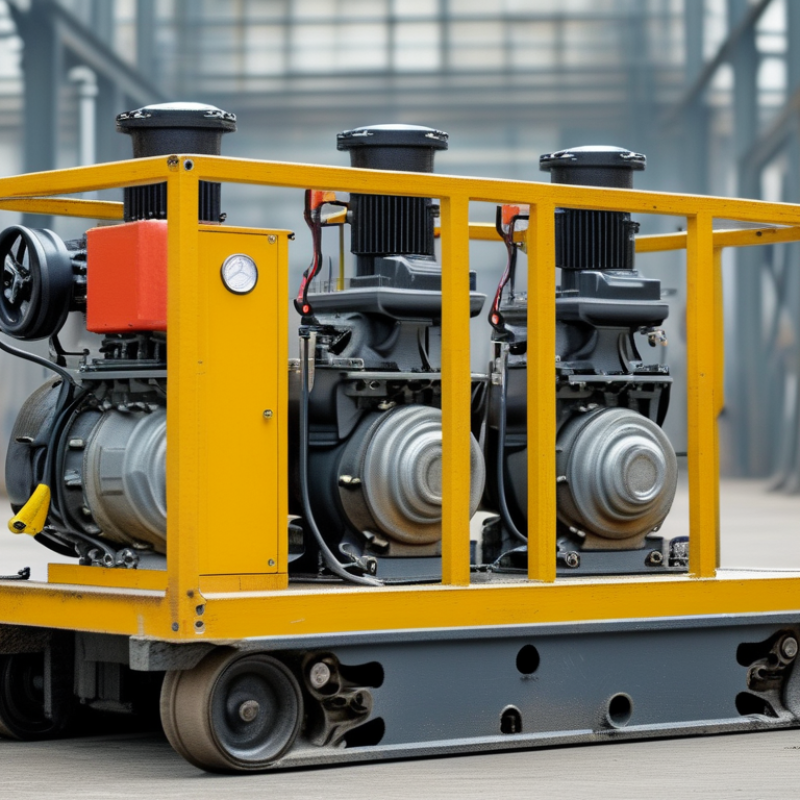
A Hydraulic Power Pack can turn limited electrical or mechanical input into controlled hydraulic force. It combines a pump, motor, reservoir, valves, filters, and safety components in one compact unit. This integrated design helps equipment deliver steady movement in tight spaces. It can operate lifts, presses, platforms, conveyors, agricultural tools, and mobile machinery.
Dr. John Watton, author of Fundamentals of Fluid Power Control, states, “A hydraulic power unit must be selected as a complete system, not as an isolated pump.” This principle matters on real worksites. An undersized motor may overheat during repeated cycles. A small reservoir may raise fluid temperature too quickly. Poor filtration can quietly damage valves and cylinders. The power pack is compact, but the selection process is not.
A properly specified Hydraulic Power Pack can improve force control, installation flexibility, and maintenance access. Engineers usually examine pressure, flow rate, duty cycle, fluid type, noise limits, ambient temperature, and available space. These details often decide whether the system performs smoothly or struggles under load. I have seen equipment specifications focus heavily on maximum pressure. That can be misleading. Average operating conditions deserve equal attention.
The strongest choice is not always the largest unit. It is the unit matched to the machine’s actual work. Careful sizing may reduce energy waste, heat generation, and unexpected downtime. Still, no design is perfect. Field testing, inspection, and periodic adjustment remain essential for dependable hydraulic performance.
What Is a Hydraulic Power Pack?
Why Choose a Hydraulic Power Pack for Your Equipment?
What Is a Hydraulic Power Pack?
A hydraulic power pack is a compact system that creates and controls hydraulic energy. It usually contains a reservoir, electric motor, hydraulic pump, valves, filters, and safety controls. The motor drives the pump, which moves pressurized fluid toward an actuator. That actuator then produces controlled lifting, clamping, tilting, or pressing force. Think of it as the equipment’s pressure center.
The package saves installation space and simplifies maintenance. It can also separate power generation from the working machine. A 2024 Grand View Research estimate valued the global hydraulic power unit market at more than USD 13 billion, reflecting continued demand in mobile equipment, manufacturing, and material handling. Yet market growth does not guarantee efficiency. Poor hose sizing, excessive pressure, and dirty fluid still waste energy. The U.S. Department of Energy identifies fluid power losses as a practical target for industrial energy improvement. Small design errors matter.
Tips: Check required flow, pressure, duty cycle, and ambient temperature before selection. Use filtration matched to the valve manufacturer’s cleanliness target. Inspect noise, heat, and pressure regularly. A warm reservoir is not always harmless. It may indicate leakage, undersized components, or continuous relief-valve operation. Document readings during real working conditions, not only during commissioning. That detail is often missed.
Why Choose a Hydraulic Power Pack for Your Equipment? - What Is a Hydraulic Power Pack?
| Data Dimension | Typical Data or Specification | What It Means |
|---|---|---|
| Definition | A self-contained hydraulic power unit consisting of a motor, pump, reservoir, valves, filtration, and control components. | It generates and controls pressurized hydraulic fluid for operating cylinders, motors, clamps, lifts, and other actuators. |
| Primary Energy Source | Electric motor, internal-combustion engine, or other mechanical drive. | The power source can be selected to match stationary, mobile, indoor, or remote equipment. |
| Common Motor Power Range | Approximately 0.75–100 kW for many industrial and mobile installations; larger systems are also possible. | Motor size depends on required hydraulic pressure, flow rate, duty cycle, and efficiency. |
| Typical Operating Pressure | Approximately 70–350 bar for many general-purpose systems; the allowable pressure is determined by component ratings. | Higher pressure can provide greater actuator force from a compact cylinder, but every component must be rated accordingly. |
| Typical Hydraulic Flow | Approximately 1–300 L/min for a broad range of compact, industrial, and mobile power packs. | Flow rate mainly affects actuator speed, while pressure mainly affects available force or torque. |
| Reservoir Capacity | Commonly about 1–1,000 L, depending on flow, duty cycle, heat dissipation, and installation space. | The reservoir stores fluid, helps release air, supports cooling, and allows contaminants to settle before filtration. |
| Pump Types | Gear, vane, axial-piston, and radial-piston pumps. | Pump selection affects pressure capability, flow control, noise, efficiency, cost, and service life. |
| Main Control Components | Pressure-relief valves, directional valves, check valves, flow-control valves, pressure switches, and manifolds. | These components regulate pressure, direction, speed, sequencing, and safe system operation. |
| Filtration | Suction strainers, return-line filters, and pressure-line filters may be used according to system requirements. | Clean hydraulic fluid reduces wear, protects valves and pumps, and improves reliability. |
| Force Capability | Cylinder force is approximately equal to hydraulic pressure multiplied by effective piston area. | Hydraulics can deliver high linear force without requiring an equally large electric or mechanical actuator at the point of motion. |
| Speed Control | Actuator speed is primarily determined by flow rate and actuator displacement. | Adjustable flow control enables smooth movement and helps match machine-cycle requirements. |
| Installation Flexibility | Available as compact, vertical, horizontal, mobile, or custom-configured units. | A separate power pack can be positioned where space, access, and maintenance conditions are most suitable. |
| Energy Efficiency Options | Load-sensing pumps, variable-displacement pumps, pressure-compensated controls, and motor speed control. | Matching pump output to actual demand can reduce throttling losses, heat generation, and energy consumption. |
| Heat Management | Reservoir cooling may be sufficient for intermittent duty; air or liquid coolers may be required for continuous high-load operation. | Managing fluid temperature helps maintain viscosity, seal performance, and component life. |
| Typical Applications | Presses, lifting equipment, machine tools, material-handling systems, agricultural machinery, test rigs, and automated production equipment. | Hydraulic power packs are suitable when controlled force, torque, motion, or compact power transmission is required. |
| Key Benefits | High power density, precise control, flexible installation, overload protection, and easy integration with hydraulic actuators. | These characteristics can simplify machine design and support reliable operation in demanding environments. |
| Important Selection Factors | Required pressure, flow, duty cycle, actuator size, operating temperature, fluid type, noise limit, available space, and control method. | Correct sizing prevents overheating, slow operation, excessive energy use, premature wear, and unsafe pressure conditions. |
Note: Hydraulic power pack specifications vary according to the application, actuator requirements, duty cycle, fluid, and applicable safety standards.
Related Posts
-
How to Choose the Right Hydraulic Power Pack for Your Needs?
-
Benefits of Choosing the Best Hydraulic Power Pack for Your Business Needs
-
Unlocking Efficiency: The Ultimate Guide to Selecting the Right Hydraulic Power Pack for Your Needs
-
Understanding the Benefits of Hydraulic Power Packs for Your Business
-
How to Choose the Best Portable Hydraulic Power Pack for Your Needs?
-
Trustworthy Quality in Global Manufacturing of Best Electric Hydraulic Power Packs from China