Best Hydraulic Cylinder Repair Services in China?
Choosing the best Hydraulic Cylinder Repair service in China takes more than comparing prices. A dependable provider should explain its inspection process, repair scope, parts options, and testing results in clear terms. Ask how technicians check rod straightness, inspect the barrel bore, and assess seals and piston wear. Request sample reports or documented procedures where available. Details matter.
John Watton, a fluid-power engineering author, offers a useful foundation for this guide. The following is an editorial summary of his engineering approach, not a verbatim quotation: “Reliable hydraulic performance depends on understanding the whole system, not just replacing the damaged part.” That distinction matters. A cylinder may leak because of a worn seal, but scoring, contamination, misalignment, or a damaged rod can cause repeat failures. A quick seal change may look efficient. It may not last.
When comparing Chinese repair shops, look for relevant cylinder experience, calibrated measuring tools, suitable honing or machining capability, and pressure-test records tied to the repaired unit. Ask about turnaround time, warranty terms, and communication during inspection. For export work, confirm how components will be protected against moisture and impact in transit. A polished website is not proof of workmanship. Neither is the lowest quote. Some repair needs are difficult to judge before disassembly, so a credible provider should explain what remains uncertain and seek approval before adding work. This guide examines practical ways to assess those details and choose a service partner with confidence.
Hydraulic Cylinder Repair Services and Their Core Capabilities
Best Hydraulic Cylinder Repair Services in China?
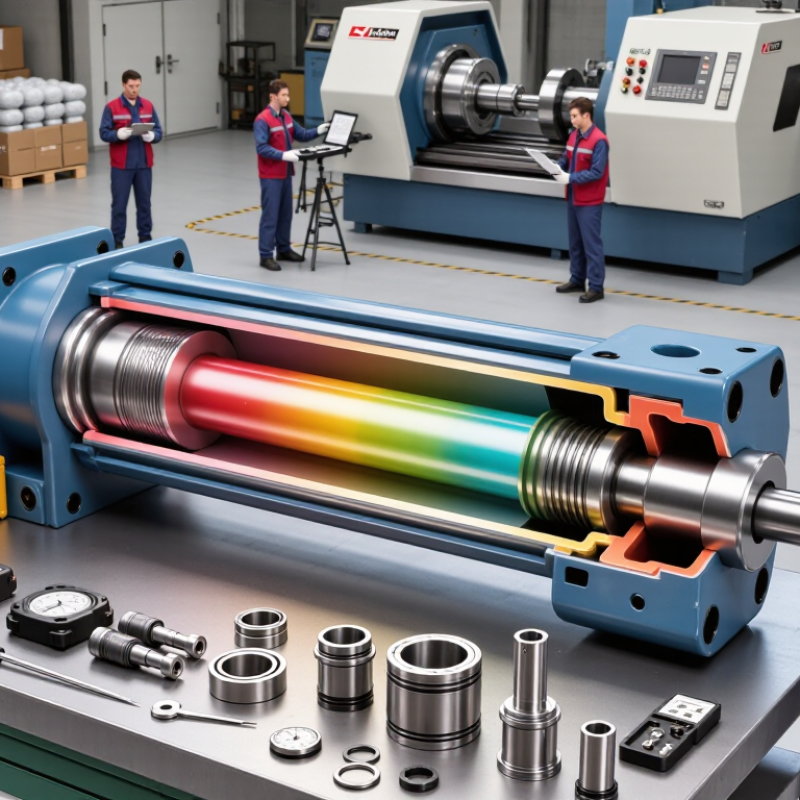
Hydraulic cylinder repair services are strongest when they combine fault diagnosis, precision machining, seal replacement, and pressure testing. A capable workshop checks the rod for scoring, measures barrel wear, and inspects leakage before choosing a repair. It should also record test pressure and hold time, not just say the unit passed. Small details matter. A smooth-looking rod can still have damage that quickly wears new seals.
ISO 4406:2021 classifies hydraulic-fluid cleanliness using particle counts at 4, 6, and 14 micrometres. Each code step represents roughly a doubling in the counted particle range. This is a useful technical benchmark: repair providers should explain how they prevent contamination during assembly and recommend filtration checks after installation. Ask for inspection measurements, replaced-part details, and a pressure-test record. Service quality can vary, and a polished report does not replace clear evidence.
Tips: Photograph leaks and rod damage before removal. Keep a sample of the working fluid if contamination is suspected. Share the cylinder’s operating pressure and duty cycle; without them, repair recommendations may miss the real cause.
Common Cylinder Faults and Repair Methods
Best Hydraulic Cylinder Repair Services in China?
Common Cylinder Faults and Repair Methods
Hydraulic cylinders often show trouble through oil leaks, slow movement, drifting loads, or uneven motion. A wet film around the rod may indicate a worn rod seal, but not every leak has the same cause. Damaged wipers, loose fittings, or a scratched rod can also let oil escape. Check the cylinder after cleaning it, so fresh leakage is easier to locate. Small details matter.
A drifting cylinder may have worn piston seals, internal scoring, or a valve problem elsewhere in the system. Technicians can isolate the cylinder and test for internal bypass before replacing parts. If the rod is bent or deeply scored, fitting new seals alone is unlikely to last. Repair may require rod replacement, barrel honing, or another suitable surface treatment. Measurements can be missed during a rushed inspection; that mistake can lead to repeat work.
Before disassembly, release hydraulic pressure and support the equipment securely. During repair, inspect seals, grooves, the rod, and the barrel for wear or contamination. Replace damaged seals with parts matched to the cylinder’s dimensions and operating conditions. After reassembly, test movement and check for leaks under controlled conditions. A clean work area helps, though it cannot fix every underlying system problem.
Best Hydraulic Cylinder Repair Services in China? Common Cylinder Faults and Repair Methods
Typical repair methods and indicative turnaround times for common hydraulic cylinder faults
Seal leaks are commonly addressed by replacing seals and checking the rod and bore for damage. Scored or bent rods may require polishing, straightening, or replacement; barrel damage may need honing or replacement. The turnaround figures are indicative working-day estimates, not guaranteed service times. Actual repair time depends on inspection findings, parts availability, and pressure-testing requirements.
How to Evaluate Repair Providers in China
When evaluating hydraulic cylinder repair providers in China, look beyond price and advertised turnaround. Ask how technicians identify the cause of failure, not only how they replace seals. A bent rod, scored bore, or contaminated oil may point to different problems. Request a written inspection report with measurements and photographs. Ask to see records.
Check whether the workshop can handle your cylinder’s size, operating pressure, and application. Ask about rod straightness checks, bore measurements, seal-material selection, and pressure testing after assembly. A credible provider should explain its test procedure and share results tied to your unit. That matters. Also confirm how removed parts, repair steps, and replacement materials are documented.
Communication is part of quality. Send drawings, operating conditions, and clear photos, then see whether the provider asks useful follow-up questions. Clarify shipping arrangements, repair timelines, warranty scope, and what happens if testing reveals additional damage. I would not treat a polished website as proof of capability. A video call from the workshop can help, though it cannot replace inspection. Some uncertainty remains. Compare several written quotations, and check that each covers the same repair scope before choosing.
The Repair Process, Testing, and Quality Assurance
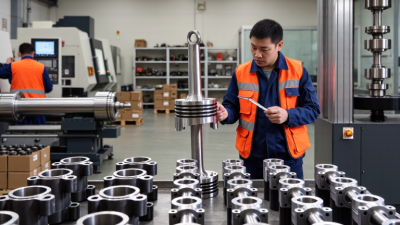
A reliable hydraulic cylinder repair begins with a clear inspection, not an immediate parts swap. Technicians check the rod for scoring, pitting, and bends, then examine the barrel, seals, and fittings. Photos and measurements help document the cylinder’s condition before disassembly. This matters because a damaged rod can quickly wear new seals. The cylinder is cleaned, opened, and inspected for wear or contamination. Worn seals are replaced, while damaged parts are assessed against suitable repair limits. Small details matter.
After reassembly, testing should reflect the cylinder’s intended working conditions. Technicians can apply controlled pressure and check for external leaks, pressure loss, smooth movement, and unusual noise. The rod should extend and retract evenly, without sticking or visible vibration. Test readings, inspection notes, and replaced-part details give customers a useful quality record. A clean test area also helps reveal small oil leaks that might otherwise go unnoticed. Results can vary with the equipment and test setup, so reports should state the conditions used. No inspection catches everything, and that deserves honest attention. If a cylinder behaves differently after installation, feedback from the operator can help identify what the bench test missed.
Choosing a Service for Your Industry and Operating Needs
Choosing a hydraulic cylinder repair service in China starts with the machine’s duty cycle, not the lowest quotation.
An excavator working in abrasive soil needs different inspection priorities from a press running repeated strokes. Ask whether technicians measure bore diameter, rod straightness, seal-groove wear, and leakage before recommending parts. Small details matter.
Grand View Research estimated the global hydraulic cylinder market at USD 14.8 billion in 2023, projecting a 5.6% compound annual growth rate through 2030. This indicates broad equipment demand, but it does not certify any repair shop. For mining, marine, or construction applications, request pressure-test records, material traceability, and a written cleanliness procedure. Confirm the test pressure matches the cylinder specification. “Tested” alone tells little.
Compare service scope with your downtime risks. A nearby provider may reduce transport time, while a specialist may better handle rod damage or large-bore honing. Ask for measured tolerances, seal-material compatibility, and clear warranty terms. If the service cannot explain its test setup, pause. I would also request a sample inspection report; polished promises are easier than repeatable measurements.